

WSC Weekly2025世界学者杯
the World Scholar's Cup
@WSC小学者们!Jerry喊你来看
WSC Weekly专栏啦!
2025年度主题:重燃未来
Reigniting the Future
WSC Weekly专栏将精选最新话题内容
助力小学者准备世界学者杯!
让我们怀着
永恒的学术精神与信念
探索未来的无限可能吧!
锁定每周WSC Weekly
上期回顾&Quiz答案揭晓
在2025年世界学者杯第38期WSC Weekly栏目中,我们与小学者一起了解了科学家是如何利用脑机接口技术开启这场跨越躯壳的极限自救。在上期的趣味Quiz中,你是否找到了正确答案?现在就让我们一起来揭晓吧!
如何识别“假昏迷”?
Unlocking the Secrets of the Conscious Coma
第38期Quiz答案揭晓:
Which of the following analogies best illustrates the way the EEG can help coma patients?
下列哪个比喻最能说明EEG如何帮助昏迷患者?
A. A thermometer that measures a fever patient’s body temperature to determine treatment 体温计测量发热患者体温以确定治疗方案
B. A microscope that allows scientists to see damaged cells directly 显微镜让科学家直接观察受损细胞
C. A translator that translates Chinese speech into English 翻译器把中文讲话翻译为英文
D. A remote control that forces the robots to perform specific actions 遥控器强制机器人执行特定动作
E. A portable storage device that stores the document of a damaged computer 移动硬盘储存损坏的计算机上的文件
正确答案:C
Key: C
2025年第39期
Weekly Intro
当新年倒计时的火光点亮天际,你可曾想过,这震耳欲聋的爆响竟源于两千年前的一根竹竿?它是驱散恐惧的古老仪式,还是人类驯服爆炸的艺术之路?
本期Weekly将带你穿越火光,破译烟花背后的科技与文化密码,一起来看看吧!
2025 No.39
全世界人民新年都爱看的烟花是如何发展至今的?
The Evolution of Firework
跨越时空的火焰基因
当一年即将走到尽头的最后几秒悄然流逝,世界各地的人群不约而同地抬头仰望天空,等待黑暗被火光与色彩点亮的那一刻。烟花似乎早已与时间的更替密不可分,仿佛唯有光与爆响才能宣告新一年的到来。然而,这一传统远远早于任何倒计时的钟声或现代城市的天际线。在现代国家出现之前,人类就已经借助火焰与声响来驱散恐惧、标记时间、祈求好运。今夜在我们头顶绽放的爆炸声,其实是古老仪式的回声——这些仪式源于好奇、危险,以及人类将火转化为意义的本能。
As the final seconds of the year tick away, crowds around the world lift their eyes to the sky, waiting for the moment when darkness gives way to fire and color. Fireworks feel inseparable from the turning of the calendar, as if light itself must announce the arrival of a new beginning. Yet this tradition is far older than any countdown clock or city skyline.Long before modern nations existed, people used fire and sound to chase away fear, mark time, and invite good fortune.The explosions above us tonight are echoes of ancient rituals—rituals born from curiosity, danger, and the human desire to transform fire into meaning.

两千年前的原始爆鸣
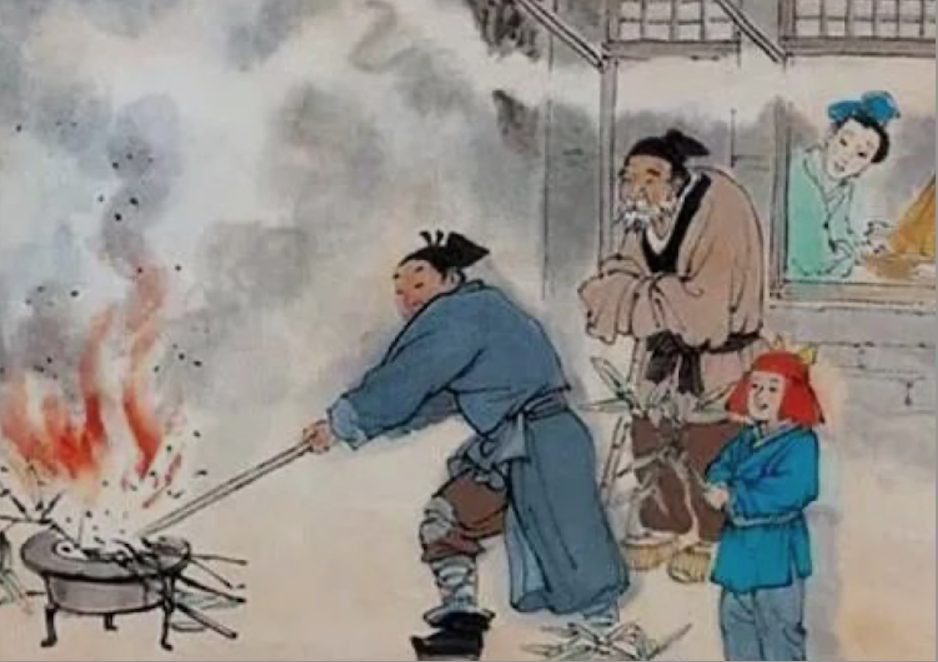
烟花的历史可以追溯到两千多年前,其最初并非用于娱乐,而是用于仪式与防护。根据文献记载,烟花的最早雏形出现在中国汉代。在火药尚未被发现之前,人们注意到将竹竿投入火中时,由于空气受热膨胀,竹子中空的结构会发生爆裂,发出巨大的声响。这种现象被称为“爆竹”,人们相信它能够驱赶邪祟,尤其是在农历新年等重要的季节交替时刻。在这一阶段,烟花的核心并不在于视觉效果,而在于声音,其功能深深植根于人们对未知的恐惧以及对保护的渴望之中。从自然爆炸走向化学烟花的转变发生在唐代。当时,道教炼丹家在寻找长生不老药的过程中,意外发明了火药。他们将硫磺、木炭和硝石混合在一起,得到了一种点燃后会迅速燃烧的易燃物质。这种混合物并未带来永生,却释放出强烈的热量与能量。当火药被装入竹筒中时,便产生了真正意义上的爆竹,其声响更大、效果更稳定,也更容易控制。这一发现成为关键转折点,使人类对火的掌控从经验走向技术,使其可以被反复使用、不断改进。
The history of fireworks stretches back more than two thousand years and begins not as entertainment, but as ritual and protection. According to the document, the earliest ancestors of fireworks appeared in ancient China during the Han Dynasty. Before gunpowder was discovered, villagers noticed that bamboo stalks thrown into fires would explode loudly as trapped air expanded and ruptured the plant’s hollow chambers. These explosions, known as baozhu or “exploding bamboo,” were believed to scare away evil spirits, especially during important seasonal transitions such as the Lunar New Year.At this early stage, fireworks were primarily about sound rather than light, serving a spiritual function rooted in fear of the unknown and the desire for protection.The transition from natural explosions to chemical fireworks occurred during the Tang Dynasty, when Taoist alchemists accidentally invented gunpowder while searching for an elixir of immortality. By mixing sulfur, charcoal, and saltpeter, they created a volatile substance that burned rapidly when ignited. Rather than granting eternal life, this mixture produced intense heat and force. When packed into bamboo tubes, gunpowder created the first true firecrackers—louder, more reliable, and more controllable than exploding bamboo. This discovery marked a turning point, transforming fire-making knowledge into a technology that could be shaped, repeated, and improved.
年兽传说中的红色慰藉
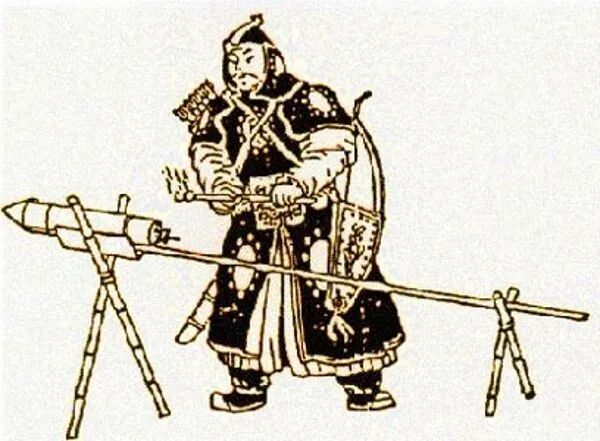
很快,烟花便深深融入中国文化与神话之中。其中最为人熟知的传说之一,是关于“年兽”的故事。相传这种怪兽每到新年便会侵扰村庄,而它惧怕巨响、强光以及红色。爆竹正好同时具备这三种特征,因此被视为对抗混乱与灾祸的象征性武器。这一传说解释了为何烟花至今仍是春节庆祝活动的核心元素,也说明了为何爆竹常用红纸包裹。烟花由此从偶然发现演变为具有文化意义的仪式工具,承载着集体认同与文化延续。随着社会的发展,烟花技术也不断进步。宋代时期,纸筒逐渐取代竹筒,使烟花的制作更加统一,也更便于大规模生产;引线的出现则使点火时间可以被精确控制,既提高了安全性,也拓展了用途。烟花开始从单纯的宗教器物转变为公共娱乐形式,被用于节庆、军事庆典和宫廷仪式。与此同时,火药也被用于军事领域,显示出烟花与武器其实源自同一套化学知识,并在历史中并行发展。
Fireworks soon became deeply embedded in Chinese culture and mythology. One of the most enduring legends linked to fireworks is the story of the Nian, a mythical monster that terrorized villages at the start of each new year. According to folklore, the creature feared loud noises, bright lights, and the color red. Firecrackers fulfilled all three conditions, making them a symbolic weapon against chaos and destruction.This legend explains why fireworks are still central to Lunar New Year celebrations and why firecrackers are traditionally wrapped in red paper. Fireworks thus evolved from accidental discoveries into ritual tools that expressed collective identity and cultural continuity.As Chinese society advanced, so did the technology of fireworks. During the Song Dynasty, bamboo containers were replaced with paper tubes, allowing for greater uniformity and mass production. Fuses were introduced to control ignition timing, making fireworks safer and more versatile. Fireworks also began to shift from purely spiritual devices to forms of public entertainment, used in festivals, military celebrations, and imperial ceremonies. At the same time, gunpowder found military applications, showing how fireworks and weapons developed side by side from the same chemical knowledge.
丝绸之路上的震撼权力
通过丝绸之路以及蒙古扩张时期的军事接触,烟花技术逐渐传播到中国以外的地区。到十三世纪,火药的相关知识已传入中东和欧洲。虽然欧洲最初主要将火药用于战争,但烟花很快成为权力与盛典的象征。在文艺复兴时期,各国王室利用烟花庆祝加冕、婚礼和军事胜利。这些烟花表演声势浩大、视觉震撼,但色彩仍然有限,主要呈现由木炭和金属粉末燃烧产生的金色与橙色。烟花在此阶段成为彰显统治权威的工具,用以震慑观众,展示人类对危险力量的掌控。
Fireworks technology gradually spread beyond China through trade routes such as the Silk Road and through military contact during the Mongol expansions. By the thirteenth century, knowledge of gunpowder had reached the Middle East and Europe. While European societies initially used gunpowder primarily for warfare, fireworks soon became tools of spectacle and power. During the Renaissance, royal courts used fireworks to celebrate coronations, weddings, and military victories. These displays were loud and visually impressive, though limited in color, producing mostly gold and orange effects from burning charcoal and metal filings.Fireworks became symbols of authority, designed to awe audiences and demonstrate control over dangerous forces.
金属原子的色彩魔法
十九世纪,烟花迎来了决定性的变革——色彩的诞生。意大利的烟火师发现,在烟花配方中加入金属盐可以产生鲜艳的红、绿、蓝、黄等颜色。这一突破基于科学原理:被加热的金属原子会在特定波长下发光。锶产生红色,钡产生绿色,钠产生黄色,铜则产生蓝色。这些发现使烟花从单纯的声光效果转变为一种视觉艺术形式。现代空中烟花弹的雏形也在这一时期出现,其内部精心排列的“星点”在空中绽放出复杂图案,为今日的烟花表演奠定了基础。进入现代社会,烟花已发展为与音乐同步、由计算机精确控制的全球性视觉盛宴。悉尼、纽约等城市每年举办的大型烟花表演吸引数以百万计的观众,电子点火系统的使用也极大提升了精准度与安全性。尽管技术日新月异,烟花的核心意义却始终与其古老起源紧密相连。无论是迎接新年、庆祝独立,还是创造集体共享的惊叹时刻,烟花始终延续着几百年前的人类愿望:用光与声驱散黑暗、标记时间,并让人们在同一片天空下彼此相连。
A major transformation occurred in the nineteenth century with the introduction of color. Italian pyrotechnicians discovered that adding metallic salts to firework mixtures could produce vivid reds, greens, blues, and yellows.This breakthrough was based on the scientific principle that heated metal atoms emit light at specific wavelengths. Strontium produced red, barium green, sodium yellow, and copper blue. These discoveries turned fireworks into a visual art form rather than just a noisy display.The modern aerial shell, containing carefully arranged “stars” that burst into patterns, emerged from this period, laying the foundation for today’s fireworks shows. In the modern era, fireworks have become global spectacles synchronized with music and controlled by computers. Cities such as Sydney and New York stage massive displays watched by millions, using electronic firing systems for precision and safety. Despite these technological advances, the core meaning of fireworks remains connected to their ancient origins. Whether used to mark the New Year, celebrate independence, or create shared moments of wonder, fireworks continue to serve the same human purpose they did centuries ago: using light and sound to push back darkness, mark time, and bring people together under a shared sky.
追求极致安全的夜空科技
尽管烟花拥有令人惊叹的美感和悠久的文化传统,但在现代社会,它们所带来的严重风险也变得越来越难以忽视。例如,在2024年新年夜在檀香山发生了一场悲剧:一组迫击炮式烟花倾倒后引燃了附近的箱子,引发连环爆炸,导致三人死亡、二十余人受伤,其中包括多名儿童。如今许多现代烟花,尤其是非法的空中烟花类型,其实更像是“爆炸装置”而非传统爆竹,不仅对施放者本身构成危险,更可能通过引发火灾、金属碎片飞溅及对建筑物的破坏,危及整片社区的安全。因此,许多城市和政策制定者正积极探索更安全的替代方案,以在保留视觉震撼的同时降低风险。这些替代方案包括由专业人员控制的大型烟花秀、不涉及爆炸的无人机灯光秀、基于激光与投影的庆典活动,以及设计用于减少冲击和伤害的低噪音烟火。这些替代形式表明,尽管人类“点亮夜空”的渴望未曾改变,但为了在传统与安全、责任之间取得平衡,我们可能需要改变表达这一渴望的方式。
Despite their beauty and long cultural history, fireworks carry serious risks that have become increasingly difficult to ignore in the modern world. For example, in the tragic New Year’s Eve incident in Honolulu in 2024, where a bundle of mortar-style aerial fireworks tipped over and ignited nearby crates, triggering a chain of explosions that killed three people and injured more than twenty others, including children. Many contemporary fireworks, especially illegal aerial types, are closer to “explosive bombs” than traditional firecrackers, posing dangers not only to users but to entire neighborhoods through fires, shrapnel, and structural damage. As a result, cities and policymakers are increasingly exploring safer alternatives that preserve spectacle without the same risks. These include professionally controlled displays, drone light shows that create intricate patterns without explosions, laser and projection-based celebrations, and quieter “low-noise” pyrotechnics designed to reduce shock and injury.Such alternatives suggest that while humanity’s desire to light up the sky remains unchanged, the methods may need to evolve to balance tradition with safety and responsibility.
Weekly关键词 Key Words
firework
所属话题
Things Really Do Catch Fire
相关阅读
https://www.americanpyro.com/history-of-fireworks
https://magazine.luxus-plus.com/en/a-brief-history-of-luxury-fireworks-flowers-of-smoke-and-colorful-sparks/
https://apnews.com/article/hawaii-fireworks-explosion-culture-62e7e02fb018a8c29d4298c6f2804f1b
Weekly FUN Quiz
相信现在你已经知道了为了将危险的爆炸转化为璀璨的艺术,人类在化学与工艺领域实现了怎样的跨越了吧!那就快来参与本期Weekly FUN Quiz👇,告诉老师你的答案吧!
Quiz
Why did fireworks displays before the 19th century mostly appear gold or orange?
为什么19世纪前的烟花表演大多呈现金色或橙色?
A. Colored fireworks were considered culturally inappropriate 彩色烟花被视为不合文化习俗
B. Metal salts were too expensive to obtain 金属盐的获取成本过高
C. Charcoal and iron filings were the main combustible materials 木炭和铁屑是主要可燃材料
D. Early fireworks were designed only for sound, not light 早期烟花仅为制造声效而非光效而设计
E. Weather conditions limited visible colors 天气条件限制了可见色彩
To WSC Scholars:
本期Weekly Quiz正确答案将在专栏下期推文中揭晓!欢迎小学者们关注服务号,进入“WSC Weekly”专栏,此栏目将会持续陪伴小学者们,分享更多WSC趣味学术知识!