


WSC Weekly
2025世界学者杯
the World Scholar's Cup
@WSC小学者们!Jerry喊你来看
WSC Weekly专栏啦!
2025年度主题:重燃未来
Reigniting the Future
WSC Weekly专栏将精选最新话题内容
助力小学者准备世界学者杯!
让我们怀着
永恒的学术精神与信念
探索未来的无限可能吧!
锁定每周WSC Weekly
上期回顾&Quiz答案揭晓
在2025年世界学者杯第39期WSC Weekly栏目中,我们与小学者一起了解了为了将危险的爆炸转化为璀璨的艺术,人类在化学与工艺领域实现了怎样的跨越。在上期的趣味Quiz中,你是否找到了正确答案?现在就让我们一起来揭晓吧!
全世界人民新年都爱看的烟花是如何发展至今的?
The Evolution of Firework
第39期Quiz答案揭晓:
Why did fireworks displays before the 19th century mostly appear gold or orange?
为什么19世纪前的烟花表演大多呈现金色或橙色?
A. Colored fireworks were considered culturally inappropriate 彩色烟花被视为不合文化习俗
B. Metal salts were too expensive to obtain 金属盐的获取成本过高
C. Charcoal and iron filings were the main combustible materials 木炭和铁屑是主要可燃材料
D. Early fireworks were designed only for sound, not light 早期烟花仅为制造声效而非光效而设计
E. Weather conditions limited visible colors 天气条件限制了可见色彩
正确答案:C
Key: C
2025年第40期
Weekly Intro
音乐公司不签新人,却忙着收购老旧曲库?当整个行业陷入‘怀旧自救’,谁还在为未来发声?
本期Weekly将带你透视音乐产业的‘复古危机’,一起来看看吧!
2025 No.40
为什么新歌越来越不如老歌受欢迎?
Is Old Music Killing New Music?
新曲份额断崖下跌

如今,当你走进一家本地餐厅或超市时,你可能会注意到现代生活的背景音乐中有些奇怪之处:它听起来令人疑心地像上个世纪的配乐。根据数据分析机构 MRC Data 近年的分析显示,老歌如今占据了美国音乐市场惊人的 70% 份额,留给新音乐去争夺的蛋糕正日益萎缩。史上头一回,音乐产业的增长几乎完全由过去驱动,美国最受欢迎的 200 首新歌在总流媒体播放量中占比不足 5%,这一比例在短短2019-2022年内缩减了一半。
If you walk into a local diner or a retail store today, you might notice something strange about the soundtrack of modern life: it sounds suspiciously like the soundtrack of the previous century.According to recent analytics from MRC Data, old songs now represent a staggering 70 percent of the U.S. music market, leaving new music to fight for a shrinking slice of the pie.For the first time in history, the music industry’s growth is being driven almost entirely by the past, with the 200 most popular new tracks accounting for less than 5 percent of total streams—a rate that has halved in just three years.

怪诞的文化断层
这种现象制造了一种怪诞的文化断层:“新”的热门歌曲在统计学上存在,但在现实世界中却不能留下多少痕迹。你可能会听到像 1979 年的冠军单曲《瓶中信》(Message in a Bottle)在商店里轰鸣,连警察乐队(The Police)解散时还没出生的收银员都能跟着哼唱。与此同时,那些表面上成功的新歌却被大众无视,难以达到昔日金曲曾经拥有的那种文化普及度。定义了前几代人的共同文化时刻(比如数百万观众收看格莱美奖—)正在消散。随着作为其核心受众的年轻人也找到了更有趣的事做,格莱美颁奖礼的收视率正在崩塌。
This phenomenon creates a bizarre cultural disconnect where "new" hits exist statistically but leave almost no footprint in the real world. You might hear a chart-topping track from 1979 like "Message in a Bottle" blasting in a store, sung along to by a cashier who wasn't even born when the Police disbanded. Meanwhile, ostensibly successful new tracks pass unnoticed by the general public, lacking the cultural ubiquity that hits used to command.The shared cultural moments that defined previous generations—like millions tuning in to the Grammy Awards—are evaporating, with viewership for the ceremony collapsing as even the core demographic of young adults finds better things to do.

资本的避险逻辑
造成这种转变的原因远不止是简单的怀旧情绪。音乐产业本身已经从根本上改变了它的商业模式,不再是冒险去发掘新人才,而是转向更为稳妥的“资产管理”路线。大型唱片公司和投资机构如今争抢的并不是下一个超级新星,而是鲍勃·迪伦(Bob Dylan)、保罗·西蒙(Paul Simon)这些年过七旬的老艺术家的作品版权,甚至是大卫·鲍伊(David Bowie)等已故巨星的曲库。原本可以用来扶持新人音乐家的资金,如今被大量投入到保存并变现旧时代的遗产之中,使得唱片公司越来越像是经营高收益历史资产的银行。
The reasons for this shift go far beyond a simple case of nostalgia.The music industry itself has fundamentally changed its business model, moving away from the risky business of discovering new talent and toward the safe bet of asset management.Major record labels and investment firms are engaging in bidding wars not for the next big star, but for the publishing catalogs of septuagenarians like Bob Dylan and Paul Simon, or deceased icons like David Bowie. Capital that would once have been used to launch new artists is now being poured into preserving and monetizing the legacies of the old, effectively turning record labels into banking institutions managing high-yield historical assets.

资本的避险逻辑
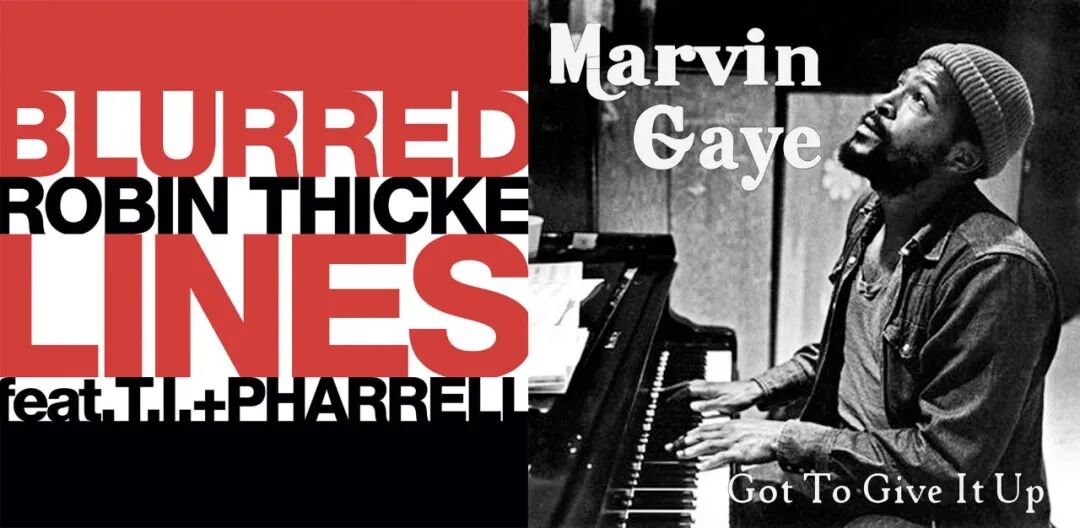
法律环境进一步加剧了这种风险规避心理,恐惧已导致整个行业陷入停滞。2015 年,具有里程碑意义《Blurred Lines》一案中,法院判决认定音乐人 Robin Thicke 和 Pharrell Williams 的新歌侵犯了已故歌手 Marvin Gaye 一首歌曲的版权,并要求支付740万美金(约4633.88万人民币)的赔偿金。而认定侵权的理由并非在于旋律的直接抄袭,而是因为歌曲整体“氛围”相似。这一具有争议的判例为后来的案件树立了先例,使整个音乐产业对哪怕是无意的风格相似也充满恐惧,担心因此被起诉。音乐公司高管们现在非常害怕因意外的旋律雷同而陷入版权纠纷,以至于他们经常拒绝收听音乐家主动寄来的新歌小样(demo),从而切断了新人才的一条主要输送管道。行业不再培育创新,而是依赖律师和诉讼,创造了一个充满敌意的环境,年轻艺术家必须小心翼翼地穿过由过去遗产管理方布下的潜在法律威胁的雷区。
This risk aversion is compounded by a legal environment that has terrified the industry into stagnation. The 2015 "Blurred Lines" verdict found Robin Thicke and Pharrell Williams liable for copyright infringement based on copying the general "vibe" of a Marvin Gaye song rather than specific melodies, awarding the Gaye family around $7.4 million, establishing a controversial precedent that has since made the music industry terrified of lawsuits over even accidental stylistic similarities. Executives are now so afraid of being sued for accidental melodic similarities that they often refuse to even listen to unsolicited demos, cutting off a primary pipeline for new talent.Instead of nurturing innovation, the industry relies on lawyers and litigation, creating a hostile environment where young artists must navigate a minefield of potential legal threats from the estates of the past.
算法围墙的审美固化
科技曾被许诺为音乐的伟大普及者,如今却可以说已变成了最高效的“守门人”。流媒体平台的算法被设计为一种反馈回路,更重视用户的“参与度”而非音乐探索,最终只会向听众推荐他们已经喜欢、已经熟悉的音乐。而在这样的推荐机制与保守的电台播放制度下,真正打破常规、具有创新性的音乐被排除在外。即便被宣传为“新歌”,它们也往往听起来与旧日金曲并无二致。我们正在通过这种方式步入作曲家埃里克·萨蒂(Erik Satie)几十年前预言的“家具音乐”时代——在这种时代里,歌曲仅仅充当生活中无缝、不突兀的背景噪音。
Technology, once promised as the great democratizer of music, has arguably become its most effective gatekeeper.Streaming algorithms are designed as feedback loops that prioritize engagement over discovery, often feeding listeners songs that sound exactly like what they already know.These algorithms, along with risk-averse radio stations, exclude anything that genuinely breaks the mold, ensuring that the "new" music that does get promoted is virtually indistinguishable from the old favorites. We are approaching the era of "furniture music"—a concept predicted decades ago by composer Erik Satie—where songs serve merely as seamless, unobtrusive background noise for our lives.

培育机制的长期失利
来自婴儿潮一代的音乐评论家常常说,这种衰退不过是因为新音乐没有“旧时代那么好听”,他们批评新歌缺乏旋律性和乐器演奏技巧。然而,这种悲观论调忽略了现实:优秀的年轻音乐家依然存在,只是他们没有得到支持。整个行业已经失去了培育这些人才的能力与信心。守门人已经迷失方向,仍将资源投注于维护旧有体系,而不是打造新的未来。这种策略虽然在短期内规避风险,却在长期中注定失利。
Critics, particularly from the Baby Boomer generation, often argue that this decline is simply because new music lacks the quality of the "good old days," citing a lack of melody and musicianship in modern hits.However, this cynical view ignores the reality that exceptional young musicians still exist; they simply aren't being supported.The industry has lost its ability—and its confidence—to nurture these talents. The gatekeepers have lost the thread, investing their resources in defending old ways of doing business rather than building new ones, a strategy that avoids risk in the short term but flounders in the long run.

冲破围墙的未来之声
尽管这个前景看起来挑战重重,但我们仍然有理由保持乐观。历史告诉我们,重大音乐革命往往都是从主流体系之外悄然诞生,最终却能颠覆整个主流体系。新音乐历来都能在阻力中找到突破的路径,即使传统机构抗拒变革。正如摇滚乐在 20 世纪 50 年代颠覆了既定秩序,嘻哈音乐从布朗克斯区崛起并主导全球文化一样,下一次伟大的转变很可能会发生在音乐产业的传统机器之外。人类对新鲜刺激事物的渴望从未减退,最终,某种强大到无法被忽视的声音终将冲破老歌的围墙。
Despite this grim landscape, there is reason for optimism.History shows that major musical revolutions often emerged outside the mainstream before transforming it.New music has always found ways to break through, even when established institutions resisted change.. Just as rock and roll swept away the status quo in the 1950s and hip-hop emerged from the Bronx to dominate global culture, the next great shift will likely happen outside the traditional machinery of the music industry. The human craving for something fresh and exciting remains undiminished, and eventually, a sound too powerful to be ignored will break through the wall of old hits.
Weekly关键词 Key Words
music industry 音乐产业
所属话题
If At First You Fall, Try, Try Again
相关阅读
https://www.theatlantic.com/ideas/archive/2022/01/old-music-killing-new-music/621339/
Weekly FUN Quiz
相信现在你已经知道了老歌是如何在算法与资本的加持下统治现代音乐市场了吧!那就快来参与本期Weekly FUN Quiz👇,告诉老师你的答案吧!
Quiz
Which of the following comments is the least accurate explanation for the decline in popularity of new music? 以下哪项评论作为解释新音乐人气下降的原因最不准确?
A. “Technology makes people less creative” “技术削弱了人们的创造力”
B. “Humans are risk aversive in nature” “人类天生厌恶风险”
C. “The music industry is overly profit-driven.” “音乐产业过度追求利润”
D. “Court decisions stifle the innovation” “法院判决扼杀了创新”
E. “Streaming platforms are just echo chambers of preference”“流媒体平台只是偏好的回音室”