


WSC Weekly
2025世界学者杯
the World Scholar's Cup
@WSC小学者们!Jerry喊你来看
WSC Weekly专栏啦!
2025年度主题:重燃未来
Reigniting the Future
WSC Weekly专栏将精选最新话题内容
助力小学者准备世界学者杯!
让我们怀着
永恒的学术精神与信念
探索未来的无限可能吧!
锁定每周WSC Weekly
上期回顾&Quiz答案揭晓
在2025年世界学者杯第37期WSC Weekly栏目中,我们与小学者一起了解了为了能给自己点个火,人类在漫长历史上付出的努力。在上期的趣味Quiz中,你是否找到了正确答案?现在就让我们一起来揭晓吧!
点击查看上期话题
为了能给自己点个火,人类需要多努力?
A Brief History of Fire-Making
第37期Quiz答案揭晓:
Which of the following statements the history of fire-making is LEAST accurate?
以下关于取火历史的陈述中,哪一项最不准确?
A. Fire making has required less skill and physical strength. 取火所需的技术和体力要求逐渐降低。
B. Lenses were developed earlier than match. 透镜的发明早于火柴。
C. Fire making had been made safer and safer during 17th to 19th century. 17至19世纪期间,取火方式变得越来越安全。
D. Safety matches are harder to light than from Lucifer matches. 安全火柴比路西法火柴更难点燃。
E. Methods for fire keeping appeared earlier than the method of fire making. 保存火的方法比生火的方法更早被发明。
正确答案:C
Key: C
2025年第38期
Weekly Intro
如果你意识清醒,身体却彻底‘断联’,该如何向世界证明你还活着?
本期Weekly将带你破译困在躯壳里的灵魂密码,一同探索生命存在的新定义,一起来看看吧!
2025 No.38
如何识别“假昏迷”?
Unlocking the Secrets of the Conscious Coma
躯壳之内的无声囚徒
试想这样一个场景:某天,你突然遭遇了一场车祸。幸运的是你幸存了下来,不久后在医院的病床上苏醒。但随即你发现,你的身体完全无法动弹。你无法说话,甚至无法控制眼球的转动。一位医生走来检查你的苏醒状况。他问道:“你能听见我说话吗?”你能听见他的声音,却无法做出回应。他请你移动手指或脚趾。你尝试了,但身体没有任何反应。经过一系列检查后,医生叹了口气,召集了你的家属,宣告你已进入“植物人状态”,没有任何意识或知觉。你想要抗议,想告诉他你是清醒的,但你发不出任何声音。就这样,你被囚禁在自己的躯壳之中。你拥有完全的意识,却无人知晓。所有人都认为你已陷入深度昏迷。

Imagine this scenario: One day, you suddenly get into a car accident. Fortunately, you survive and wake up in a hospital bed not long after. But then you realize you can't move your body at all, can't speak, and can't even control the movement of your eyes. Soon, a doctor approaches you to check if you're awake. The doctor asks, “Can you hear me speaking?”— You can hear, but you cannot respond. The doctor asks you to try moving your fingers or toes, but you cannot. After a series of tests, the doctor sighs, calls your family, and informs them that you have entered a vegetative state, that is to say, you are unconscious and without sensation. You want to protest, to tell the doctor you're awake, but not a sound comes out.Trapped inside your own body, you remain conscious, yet no one knows. Everyone believes you're in a deep coma.
沟通领域的无形桥梁
对于全球成千上万的人来说,这并非噩梦,而是骇人的现实。有些人在经历严重脑损伤后(比如车祸等外部创伤,或者癫痫、中风等疾病),失去了对外界指令或刺激作出反应的全部能力。医生通常据此判断他们失去了意识,诊断为昏迷或植物人状态。但如果这些病人实际上是有意识的,只是无法控制身体做出反应呢?在过去,不少医生提出过这个疑问,因为一些细微线索似乎表明,有些被视为昏迷的病人,仍能感知外部世界。例如,某些病人在听到外部声音或语言刺激时,心率、呼吸频率和颅内压力会发生变化。如今,一场神经科学的革命正在展开,它正试图为这些困在不能动的身体里的沉默者发声,借助脑电波这股无形的力量,架起沉寂与沟通之间的桥梁。
For thousands worldwide, this isn't a nightmare—it's a terrifying reality. Some individuals, after suffering severe brain damage—whether from physical trauma like car accidents or conditions such as epilepsy or stroke—lose all ability to respond to external commands or stimuli. Doctors typically conclude these patients have lost consciousness, often diagnosing them as being in a coma or vegetative state. But what if these patients are actually conscious, yet unable to control their bodies to respond? Throughout the last century, numerous physicians have raised this question, as many subtle clues suggest that some patients deemed comatose may still perceive the outside world. For instance, certain patients exhibit changes in heart rate, respiratory rate, and intracranial pressure when exposed to external sounds or verbal stimuli.However, a revolution in neuroscience is beginning to give a voice to the voiceless, using the invisible power of brainwaves to bridge the gap between silence and communication.

意识光谱的多彩维度
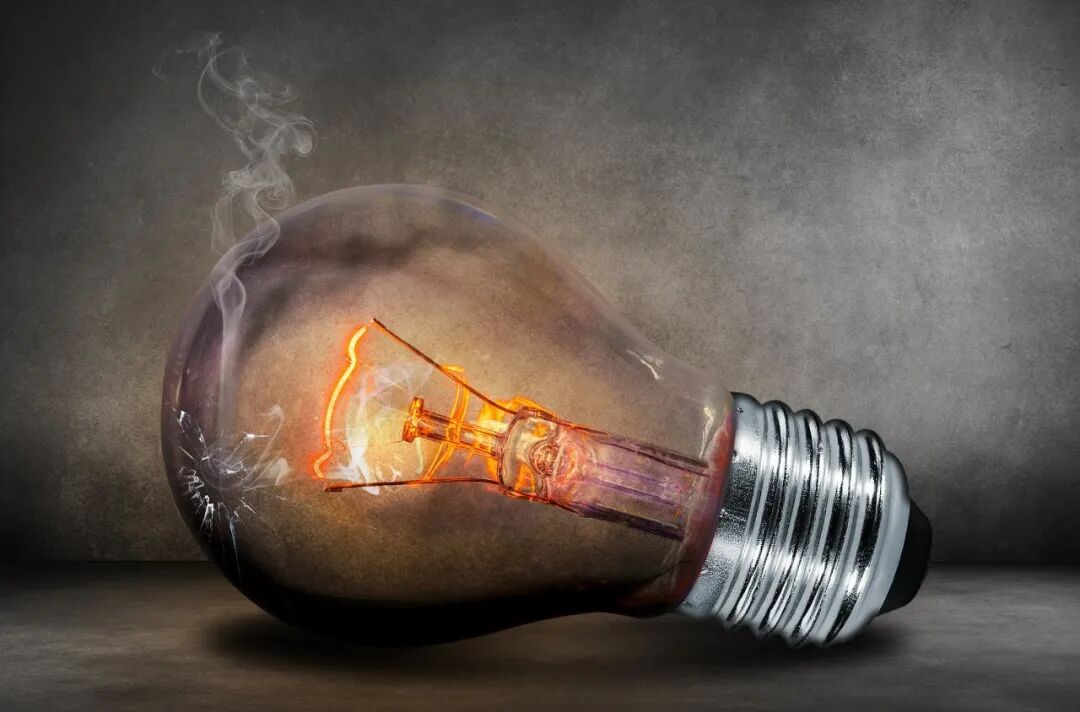
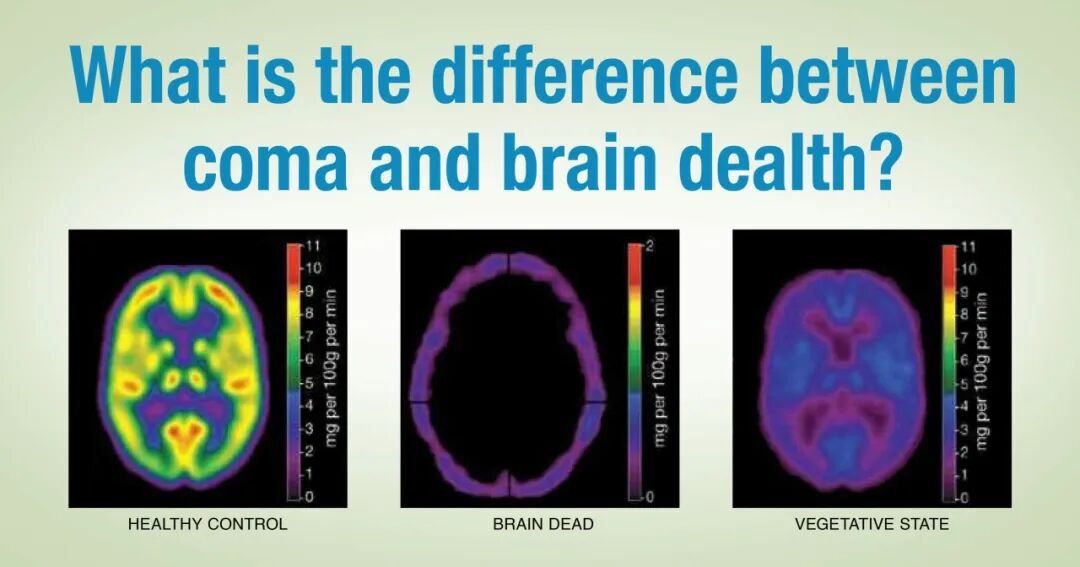
在历史上,意识通常被看作是一个非黑即白的开关:你要么是醒着的,要么就不是。但现代科学发现,真实情况要复杂得多,它更像是一个光谱。光谱的一端是真正的“昏迷”,这是一种深度的无意识状态,病人既不醒(眼睛闭着)也没有知觉。从这种状态出来后,病人可能会进入“植物人状态”(现在常被称为“无反应觉醒综合征”(unresponsive wakefulness syndrome)),这时候眼睛可能会睁开,睡眠周期也会恢复,但依然没有任何知觉或情绪的迹象。诊断的难点在于“微意识状态”,这种情况下,意识就像个接触不良的灯泡,忽明忽暗;还有一种叫“闭锁综合征”(locked-in syndrome),即一个完全清醒的头脑被困在了一具瘫痪的躯壳里。单凭肉眼很难区分这些状态,因为常规检查得看病人的动作反应(比如动动手指或眨眨眼),而这恰恰是这些病人做不到的。
Historically, consciousness was often viewed as a binary switch—you were either awake or you were not. Modern science has revealed a far more complex spectrum. At one end lies the true coma, a state of profound unconsciousness where the patient lacks both wakefulness (eyes closed) and awareness. As patients emerge from this, they may enter a vegetative state (now often called unresponsive wakefulness syndrome), where the eyes may open and sleep-wake cycles return, but there is no sign of awareness or emotion.The diagnostic challenge lies in the minimally conscious state, where awareness flickers like a faulty lightbulb, and locked-in syndrome, where a fully conscious mind is trapped inside a paralyzed body.Distinguishing between these states using the naked eye is notoriously difficult because standard tests rely on motor responses—a squeeze of a finger or a blink—which these patients simply cannot perform.
意念猎犬的脑部追踪
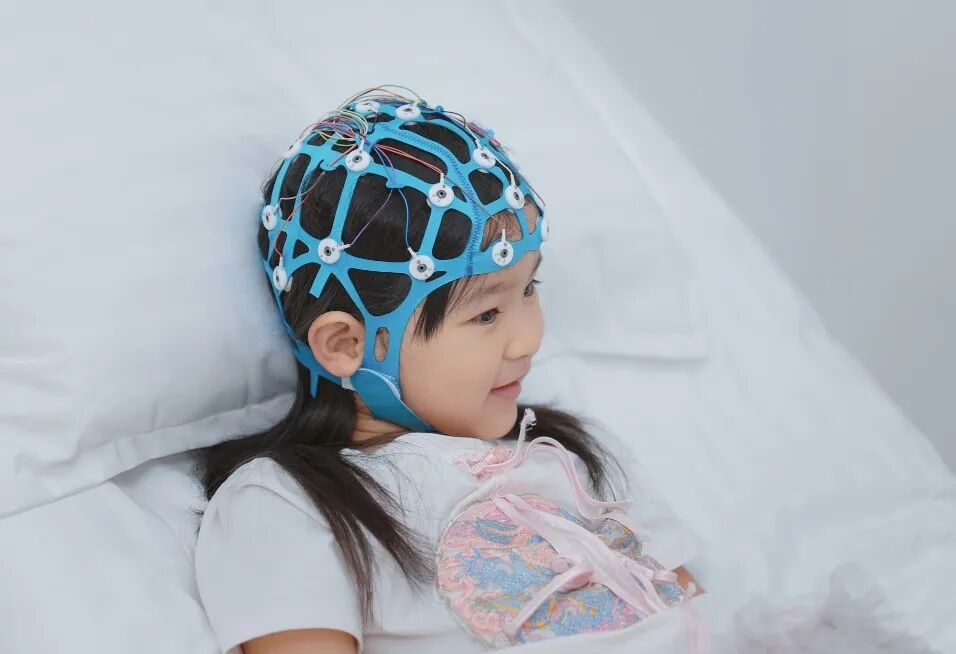
为了解开这个死结,研究人员决定绕过失灵的身体,去研究源头:大脑。有一项欧盟资助的“ComaWare”项目开发了一种新的实验技术,叫“mindBeagle”(意念猎犬)。它就像一顶布满了脑电图(EEG)电极的软帽子,用来测量大脑的电活动。这个设备已经成功帮助意大利西西里岛的一位女士与家人重新建立了沟通,而在此之前,她已经被锁在沉默的身体中好几年了。这套系统的工作原理是把思想转化成一种二进制语言。它首先会进行一个简单的听力测试,给病人播放高低不同的音调。通过测量大脑对这些声音的电反应,设备就能判断病人是否对环境“在线”。如果大脑能识别出声音的差异,就说明认知功能是完好的,哪怕病人的脸像面具一样毫无表情。
To solve this "catch-22," researchers are bypassing the broken body and going straight to the source: the brain. A new experimental technology, developed under the EU-funded ComaWare project, uses a soft cap packed with electroencephalogram (EEG) electrodes to measure electrical activity in the brain. Known as mindBeagle, this device has successfully allowed a woman in Sicily, Italy, who had been locked in silence for years, to communicate with her family. The system works by turning thoughts into a binary language. It starts with a simple auditory test, playing high- and low-pitched tones to the patient.By measuring the brain's electrical reaction to these sounds, the device can determine if the patient is "tuned in" to their environment.If the brain registers the difference, it suggests cognitive function is intact, even if the patient's face remains mask-like.
无需肌肉的读心技术
一旦确认了意识的存在,这项技术就摇身一变,成了沟通工具。系统利用触觉刺激——在病人的左右手上放置振动装置。医生会指示病人把注意力集中在代表答案的那只手上。比如,专注于左手的振动代表“是”,右手则代表“否”。关键在于,病人不需要动任何一根肌肉,只要在脑子里“想象”去动那只手就行了。这种精神上的努力会点亮大脑的感觉运动皮层,脑电帽捕捉到信号后,就能将其翻译成答案。这种“读心术”目前正在从俄勒冈到比利时的多家医院进行测试,用以区分真正的植物人和那些“有意识却无法开口或动弹”的病人。
Once awareness is established, the technology transforms into a communication tool. The system uses tactile stimulation—vibrating devices placed on the left and right hands. Patients are instructed to focus their attention on the vibrating hand that corresponds to their answer. For example, focusing on the left hand might mean "yes," while the right means "no".Crucially, the patient does not need to move a muscle. They simply have to imagine moving the hand.This mental effort lights up the sensory-motor cortex of the brain, which the EEG cap detects and translates into an answer. This "mind-reading" capability is currently being tested in hospitals from Oregon to Belgium to help differentiate between patients in a permanent vegetative state and those who are secretly conscious.
便携系统的实时监测
脑电技术的潜力远不止于昏迷诊断。当前脑扫描的一大限制是它只能捕捉短时间的片段——短短20分钟的扫描很容易漏掉一次癫痫发作或者那一闪而过的意识瞬间。为了解决这一问题,像埃丝特·罗德里格斯-维列加斯教授这样的研究者正在开发轻便的可穿戴式 EEG 系统,可以藏在帽子下。欧盟资助的 WEEG 项目正在推动这一创新,设备中使用的微芯片能耗甚至低于一个神经元,靠一块小电池就能运行好几个小时。这种便携性可能会彻底改变癫痫的诊断方式,因为它能在病人的日常生活中抓取数据,而不是局限于那个短暂且不自然的临床检查窗口。
The potential of EEG technology extends beyond coma care. One major limitation of current brain scanning is that it provides only a snapshot—a 20-minute scan might miss a seizure or a fleeting moment of consciousness. To counter this, researchers like Professor Esther Rodriguez-Villegas are developing lightweight, wearable EEG systems that can be hidden under a hat. Funded by the EU's WEEG project, these devices use microchips that consume less power than a single brain neuron, allowing them to run for hours on a small battery.This mobility could revolutionize epilepsy diagnosis by capturing data during a patient's daily life rather than in a short, artificial clinical window.
生命定义的深度思考
这些进步的意义是深远的。我们正在走向这样一个未来:一顶“睡帽”就能通宵监测脑电波来诊断睡眠障碍,或者一个瘫痪的中风幸存者仅仅通过思考就能与人交谈。特别是对于昏迷病人的家属来说,这项技术提供了一种无价的东西:一种可能性,证明他们所爱的人其实一直“在”,在聆听、在理解,只是在等待回应。随着我们不断发展能够将大脑中无形电流转码成人声的技术,我们也不得不重新思考一个根本性问题:当一个人的意识完全清醒,而身体却彻底沉默,我们对“活着”的定义,是否也需要彻底改变?
The implications of these advancements are profound. We are moving toward a future where a "nightcap" could monitor brainwaves overnight to diagnose sleep disorders, or where a paralyzed stroke victim could hold a conversation simply by thinking.For the families of coma patients, specifically, this technology offers something priceless: the possibility that their loved one is still "there," listening, understanding, and waiting to be heard.As we continue to develop technology that can translate the unseen electricity of the brain into a human voice, we must confront a fundamental question: if the mind can remain fully present while the body is entirely absent, does our definition of what it means to be 'alive' need to be reimagined?
Weekly关键词 Key Words
coma 昏迷
electroencephalogram (EEG)
脑电图
所属话题
The Generative Area: A Mind for Imagination
相关阅读
https://projects.research-and-innovation.ec.europa.eu/en/horizon-magazine/brainwave-scanners-unlocking-hidden-lives-coma-patients
Weekly FUN Quiz
相信现在你已经知道了科学家是如何利用脑机接口技术开启这场跨越躯壳的极限自救了吧!那就快来参与本期Weekly FUN Quiz👇,告诉老师你的答案吧!
Quiz
Which of the following analogies best illustrates the way the EEG can help coma patients? 下列哪个比喻最能说明EEG如何帮助昏迷患者?
A. A thermometer that measures a fever patient’s body temperature to determine treatment 体温计测量发热患者体温以确定治疗方案
B. A microscope that allows scientists to see damaged cells directly 显微镜让科学家直接观察受损细胞
C. A translator that translates Chinese speech into English 翻译器把中文讲话翻译为英文
D. A remote control that forces the robots to perform specific actions 遥控器强制机器人执行特定动作
E. A portable storage device that stores the document of a damaged computer 移动硬盘储存损坏的计算机上的文件