

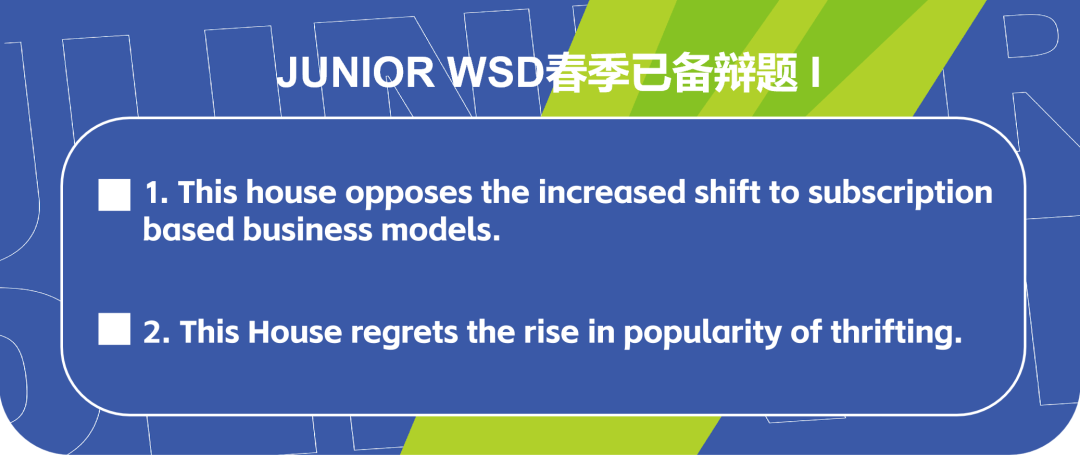
在2026 Junior WSD春季常规赛第一组已备辩题的两个Motion讨论中,无论是订阅制商业模式,还是二手交易的兴起,总有一个群体反复出现:
他们资源分配本就极不均衡,长期处于社会边缘——却总是承受最大、最不成比例的伤害,社会给了他们一个笼统的标签——弱势群体(vulnerable groups)。
什么是弱势群体?
是泛泛而谈的“穷人”或“少数群体”?还是在特定政策下被不成比例影响的真实人群?当这个群体出现在辩题中时,意味着什么?我们如何从这个人群的角度来剖析辩题?
今天就让我们从辩论的视角出发,一起来探讨:当辩论提及弱势群体时,我们在谈论什么?
我们将在本文中解析如何精准识别最相关的弱势群体?为什么要特别关注这些群体?以及在辩论中,面对众多利益相关者,如何精准选择弱势群体,并将其与论点结合起来,从而放大论证的影响力?
对当我们在谈论弱势群体时,我们主要在谈论那些在特定情境下更容易受到伤害、更难有效保护自身利益、更容易被剥削或被政策负面影响的群体。
When we talk about vulnerable groups, we are primarily referring to those who, in specific contexts, are more susceptible to harm, less capable of effectively protecting their own interests, and more likely to be exploited or negatively impacted by policies.
在辩论中,弱势群体不是泛泛的“穷人”或“少数派”,而是那些与辩题高度相关、受到影响或者伤害最大的群体。
In debate, vulnerable groups are not simply "the poor" or "minorities" in a general sense. They are groups highly relevant to the motion, those who would be disproportionately harmed by the change the motion proposes.
01
常见弱势群体类别
Vulnerable groups may include
-儿童和青少年Children and adolescents
-老年人The elderly
- 残疾人People suffering from disabilities
-低收入 / 贫困群体Low-income / impoverished groups
-种族 / 民族少数群体(在特定国家/地区常受歧视)Racial / ethnic minority groups (often facing discrimination in specific countries/regions)
02
为什么弱势群体重要
Why Vulnerable Groups Matter
在辩论中,辩手需要分析所有重要的利益相关者。弱势群体通常是最边缘的群体,关注他们能让你的论点更具独特性和思想深度。
In debate, debaters need to analyze all important stakeholders. Vulnerable groups are typically the most marginalized population. Focusing on them can make your arguments more distinctive and more profound.
这类群体往往承受着不成比例的伤害(disproportionate harm)。对他们而言,政策带来的改变可能影响几代人的生存。辩手在论证论点影响(impact)时,如果能从抽象的“社会整体”分析到具体人群的处境,论证将更具清晰度与说服力。
These groups often bear disproportionate harm. For them, policy-driven changes can impact the survival of generations. When arguing about the impact, if you can shift from abstract analyses of “society as a whole” to the concrete circumstances of specific populations, your argumentation will become clearer and more persuasive.

03
如何识别最相关的弱势群体
How to Identify the Most Relevant Vulnerable Group
1st - 论点相关性:
Primary criterion - argument relevance:
该群体受到的伤害必须是辩题推动的变化所导致的直接结果。例如,在“This House would legalize organ sales”(本院支持合法化器官买卖)的辩题中,最相关的弱势群体是极端贫困且急需现金的低收入成年人(比如发展中国家的底层劳工)。他们的伤害直接源于合法化后形成的器官市场:穷人因生存压力而“自愿”出售肾脏等器官,而富人成为主要买家。
The group’s harm must be the direct result caused by the changes driven by the motion. For example, in the motion “This House would legalize organ sales,” the most relevant vulnerable group is extremely poor adults desperately in need of cash (such as low-wage workers in developing countries). Their harm stems directly from the organ market formed after legalization: the poor “voluntarily” sell kidneys or other organs due to survival pressure, while the rich become the primary buyers.
2nd - 分析不成比例的影响:
Second, analyze disproportionate impact:
同样的政策变化,对他们的负面影响远大于平均水平。合法化器官买卖后,中产及以上人群几乎不受影响,甚至可能受益于更多的器官供给;而极端贫困者却面临健康永久受损(术后并发症、寿命缩短)。
The same policy change causes far greater negative effects on them than on the average population. After legalizing organ sales, middle-class and above groups are largely unaffected and may even benefit from increased organ supply; whereas the extremely poor face permanent health damage (post-operative complications, shortened lifespan).
3rd - 分析权力与资源不足:
Finally, analyze lack of power and resources:
他们最难通过谈判或法律保护来规避伤害。因为极端贫困者往往缺乏教育、信息、支付医疗费用的能力,一旦进入器官市场,买卖双方的权力极度不对称,容易被压价甚至胁迫。
They have the greatest difficulty avoiding harm through negotiation or legal protection. This is because extremely poor individuals often lack education, information, and the ability to afford medical expenses. Once they enter the organ market, the power asymmetry between buyers and sellers is extreme, making them vulnerable to price suppression or even coercion.
04
以春季辩题示例
Spring Motion Example
我们以JWSD春季已备辩题第一组中MotionⅠ为例,分析弱势群体在正反双方受到的影响:
MotionⅠ: This house opposes the increased shift to subscription-based business models.
辩题中的弱势群体:低收入家庭、现金流不稳定的年轻人、学生...
Low-income households, young people with unstable cash flow, students...
正方论点:订阅制购买的长期成本大于一次性购买。 弱势群体无法承受每月固定支出,容易陷入财务压力,压缩食品、教育、医疗等必需开支。
Proposition Argument: Subscriptions impose greater long-term costs than one-time purchases. Vulnerable groups cannot afford recurring monthly expenses, easily falling into financial pressure and reducing spending on essentials such as food, education, and healthcare.
反方论点:订阅降低财务门槛,提供灵活性。弱势群体可以用低月费访问高端软件和服务,无需一次性支付大额费用,提高教育和生产力机会。
Opposition Argument: Subscriptions lower financial barriers and provide flexibility. Vulnerable groups can access high-quality software and services at low monthly fees, without needing to pay large upfront costs, thereby improving opportunities for education and productivity.
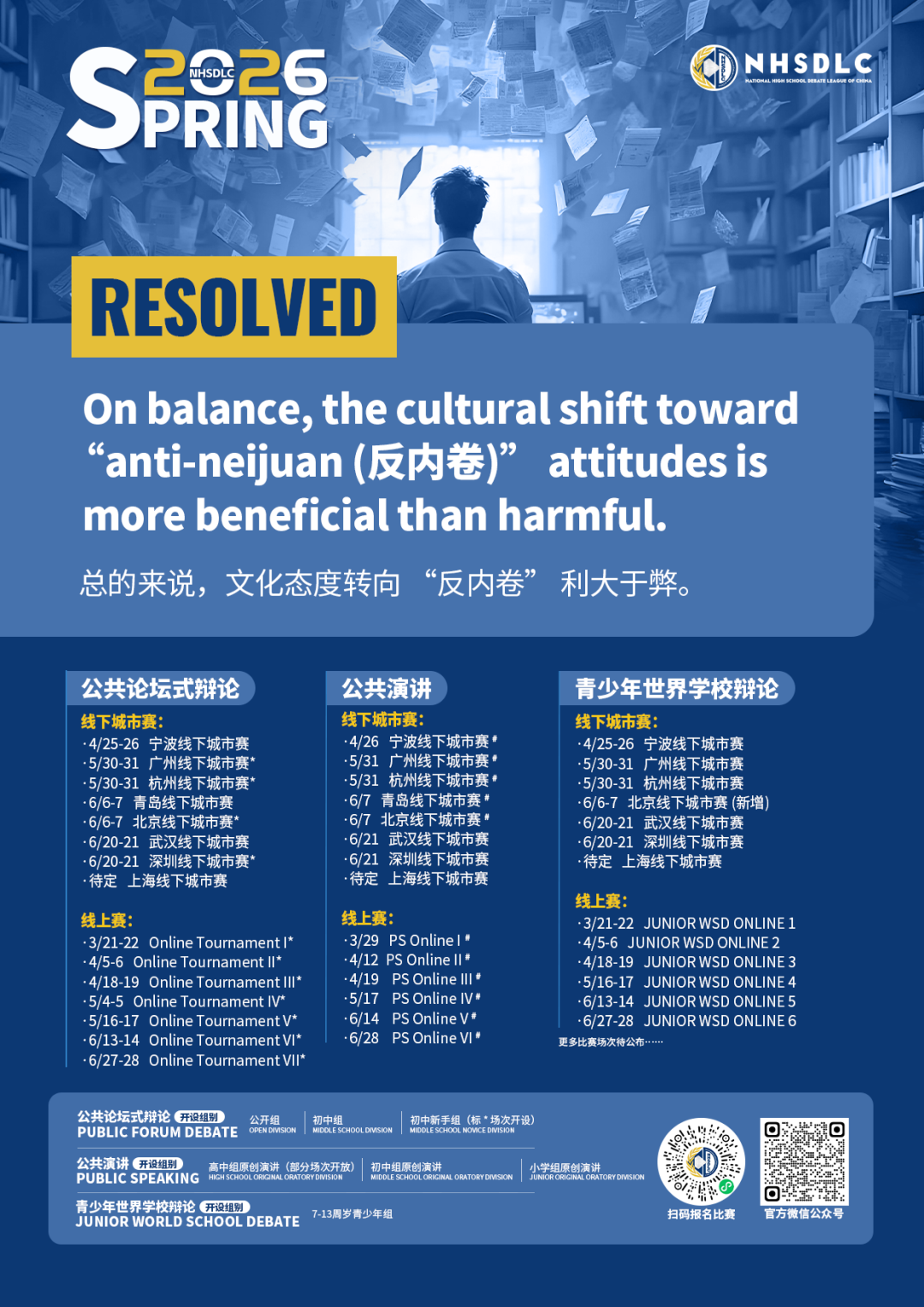
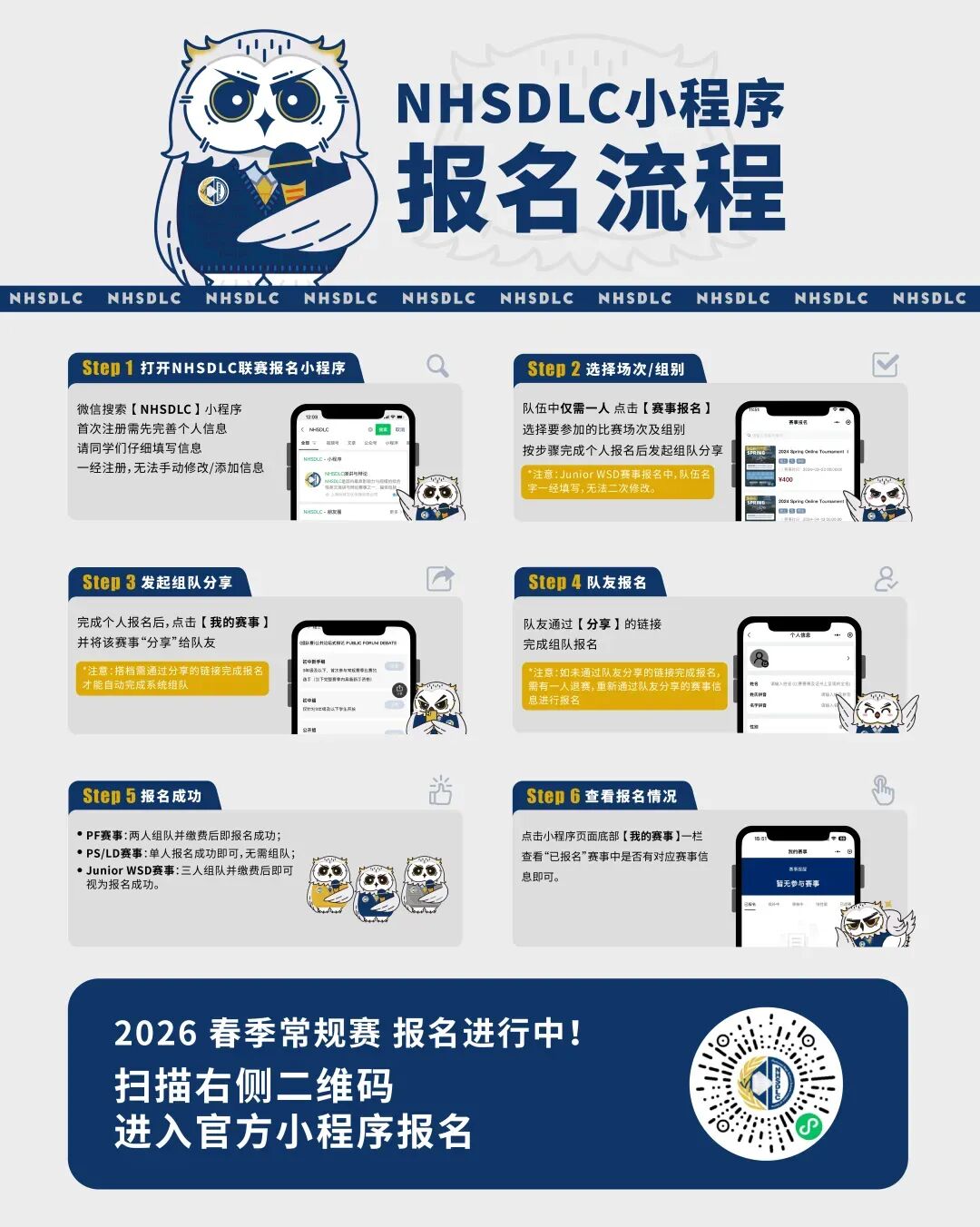
2026 NHSDLC春季常规赛报名火热进行中!!期待见证你的高光时刻!