

WSC Weekly
2026世界学者杯
the World Scholar's Cup
@WSC小学者们!Jerry喊你来看
WSC Weekly专栏啦!
2026年度主题
Are We There Yet?
WSC Weekly专栏将精选最新话题内容
助力小学者准备世界学者杯!
让我们怀着
永恒的学术精神与信念
探索未来的无限可能吧!
锁定每周WSC Weekly
上期回顾&Quiz答案揭晓
在2026年世界学者杯第1期WSC Weekly栏目中,我们与小学者一起了解了进度条与安慰剂按钮如何用“推进感”和“掌控感”缓解焦虑,并影响我们对真实的判断。在上期的趣味Quiz中,你是否找到了正确答案?现在就让我们一起来揭晓吧!
进度条怎么老卡着不动?因为都是假的
Can you trust the progress bar?
第01期Quiz答案揭晓:
Which of the following is LEAST likely to be an example of placebo buttons?
下列哪项最不可能属于安慰剂效应的例子?
A) The "Close Door" buttons found in many modern elevators manufactured after the passage of the Americans with Disabilities Act (ADA). 美国《残疾人法案》(ADA)颁布后,许多现代电梯上设置的“关门”按钮。
B) The pedestrian push-buttons at a busy 5th Avenue intersection in Manhattan during peak rush hour. 曼哈顿第五大道繁忙路口在高峰时段设置的行人按钮。
C) The "Check for Updates" button in an operating system's settings. 操作系统设置里的“检查更新”按钮。
D) Office thermostats that allow employees to adjust the temperature within a narrow, locked range. 允许员工在锁定的狭窄范围内调节温度的办公室温控器。
E) The button on a car's dashboard that immediately activates the flashing exterior lights.汽车仪表盘上能立即启动外部闪光灯的按钮
正确答案:E
Key: E
2026年第2期
Weekly Intro
为什么现在坐飞机感觉越来越颠簸?湍流真的在变多,还是我们的感觉被放大了?
本期Weekly将带你解析湍流的科学原理、气候变化的影响,以及航空业如何应对这片越来越“动荡”的天空,一起来看看吧!
2026 No.2
感觉飞机越来越颠了,是你的错觉吗?
Why plane turbulence is becoming more frequent?
飞行越来越颠簸了吗?
许多经常乘飞机的人都有一种直觉:如今的飞行似乎比过去更颠簸、也更不舒适了。“请系好安全带”的提示灯亮得越来越频繁,而且持续时间也更长。2024 年,项目经理安德鲁·戴维斯在飞往新加坡的航班上,就经历了一次他形容为“像坐过山车一样”的飞行。当时飞机遭遇了极其强烈的湍流,猛烈到把一些没有系好安全带的乘客从座位上抛起,机舱里物品四处散落,还有一名乘客不幸因心脏病发作去世。虽然因湍流直接导致死亡的情况极其罕见(自 1981 年以来估计只有大约四起),但受伤却并不少见。自 2009 年以来,仅在美国就有 207 起严重伤害案例导致伤者需要住院超过 48 小时,这一数字凸显了空气扰动所带来的真实风险。

It is a common intuition among frequent flyers that air travel is becoming increasingly unstable and less comfortable than it once was, with the "fasten seatbelt" sign appearing more frequently and for longer durations. For Andrew Davies, a project manager traveling to Singapore in 2024, the experience can suddenly turn into what he describes as a "rollercoaster". During his flight, the aircraft hit severe turbulence so intense that passengers were thrown from their seats, debris scattered throughout the cabin, and a fellow passenger tragically suffered a fatal heart attack.While deaths resulting from turbulence are extremely rare (estimated at roughly four since 1981) injuries are a much more frequent reality.Since 2009, the U.S. alone has seen 207 severe injuries requiring hospital stays longer than 48 hours, a figure that highlights the physical risks of disturbed air.
什么才算“严重湍流”?
当飞机上下剧烈颠簸产生超过 1.5g 的加速度时,湍流就被称为“严重湍流”,这种力量足以把没有系安全带的乘客从座位上抬起。全球每年大约有 5000 次达到或超过严重等级的湍流事件,而全球航班数量每年超过 3500 万次。数据显示,2023 年几乎 40% 的严重乘客伤害与湍流有关。科学家尤其担心的是,作为世界上最繁忙的空中航线之一,连接英国与美国、加拿大和加勒比地区的北大西洋航线经历的严重湍流在过去 40 年里已经增加了 55%。此外,东亚、北非、北美、北太平洋以及中东等地区,未来也预计会出现更多湍流。
Turbulence becomes "severe" when the up-and-down movement of the aircraft produces forces greater than 1.5 g, enough to lift an unbelted passenger out of their seat.Globally, there are estimated to be around 5,000 incidents of severe-or-greater turbulence each year out of more than 35 million flights. According to the document, turbulence accounted for nearly 40 percent of severe passenger injuries in 2023. Scientists are especially concerned because the North Atlantic route linking the UK with the US, Canada, and the Caribbean, which is one of the world’s busiest air corridors, has already seen a 55 percent increase in severe turbulence over the last 40 years. Other regions projected to experience more turbulence include East Asia, North Africa, North America, the North Pacific, and the Middle East.

Severe turbulence on the Singapore Airlines flight caused the plane to drop 178ft (54m) in 4.6 seconds. (Source: REUTERS/Stringer)
三种不同类型的湍流
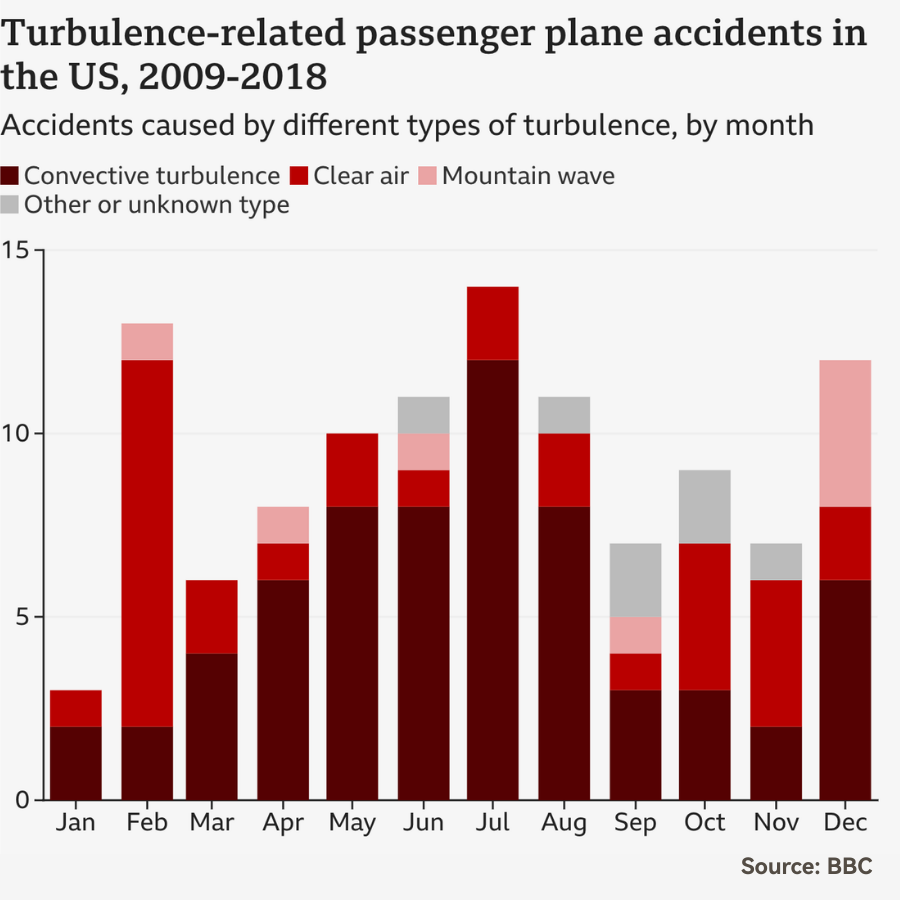
湍流大致可以分为三类:对流湍流、地形湍流和晴空湍流。对流湍流通常发生在雷暴云内部或周围,尤其是高耸的积雨云中,强烈的上升气流和下沉气流会剧烈扰动空气。地形湍流则发生在气流经过山脉或崎岖地形时,被地形扰动而形成。晴空湍流则往往最为棘手,因为它几乎看不见:它通常发生在看似无云的天空中,多出现在喷气气流附近,常常毫无预兆地出现。对流湍流和地形湍流相对更容易避开,因为飞行员通常能看到雷暴云,或提前预判山地气流的变化。而晴空湍流则很难在实时飞行中探测,这也是它在气候变化与航空安全讨论中尤为重要的原因。
There are three main types of turbulence: convective, orographic, and clear-air.Convective turbulence occurs inside or around storm clouds, especially towering cumulonimbus clouds, where strong updrafts and downdrafts violently disturb the air. Orographic turbulence happens when wind is disrupted by mountains and rough terrain. Clear-air turbulence is often the most unsettling because it is invisible: it occurs in apparently cloudless skies, usually near the jet stream, and can seem to come out of nowhere. Convective and orographic turbulence can often be avoided more easily because pilots can usually see storms or anticipate mountainous airflow.Clear-air turbulence, by contrast, is much harder to detect in real time, which makes it especially important in discussions about climate change and aviation safety.
气候变化正在改变天空
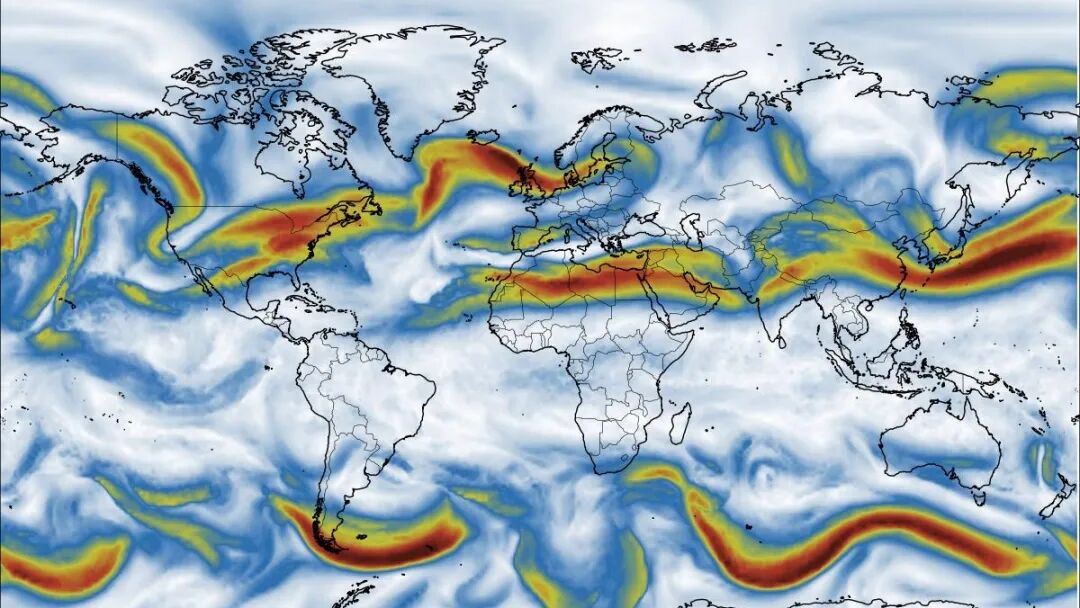
随着全球气温上升,大气能够容纳更多水汽,这会形成规模更大、能量更强的雷暴系统。由于对流湍流源自云层中的上下气流,更强的风暴就可能带来更剧烈的颠簸。2024 年,在缅甸南部上空的一次飞行中,一架飞机可能进入了正在发展的对流云团,经历了 19 秒极端湍流,其中包括在不到 5 秒内骤降 178 英尺。与此同时,大气整体结构的变化也在加剧晴空湍流。气候学家保罗·威廉姆斯教授指出,气候变化使喷气气流南侧的空气升温速度快于北侧,从而加大了温度差异。这种差异会增强喷气气流本身,并加剧周围不稳定的风场。威廉姆斯警告说,未来几十年全球严重湍流可能增加到现在的两倍甚至三倍。换句话说,如今一次飞行中若经历 10 分钟严重湍流,未来可能会增加到 20 分钟甚至 30 分钟。
A warmer atmosphere can hold more moisture, which helps create larger and more intense thunderstorms. Since convective turbulence is driven by rising and falling air within clouds, stronger storm systems can produce more severe bumpiness.In a 2024 incident over south Myanmar, an aircraft likely flew through developing convective activity and experienced 19 seconds of extreme turbulence, including a drop of 178 feet in under five seconds. The broader atmosphere is also changing in ways that intensify clear-air turbulence. According to Professor Paul Williams, climate change is warming the air south of the jet stream faster than the air to the north, increasing the temperature contrast. That strengthens the jet stream and, in turn, the unstable wind patterns around it. Williams warns that severe turbulence worldwide could double or even triple in coming decades.For every 10 minutes of severe turbulence experienced today, future flights could face 20 or 30 minutes.
飞机很稳 天空很贵
虽然空中颠簸的情况越来越多,现代飞机在结构上依然具有惊人的韧性。航空工程专家指出,飞机机翼的设计非常灵活,例如在“破坏性测试”中,一架波音 747 的机翼可以向上弯曲约 25 度才会断裂。这种压力远远超过飞机在最极端湍流中可能承受的程度,因此虽然乘客的体验可能十分可怕,但飞机本身并不会因此解体。真正难以察觉的影响,其实是航空业不断上升的经济成本。由于飞机维修、乘客赔偿以及航班改道等问题,湍流每年会让单家航空公司损失约 18 万至 150 万英镑。当飞行员不得不绕开巨大雷暴云团航程就会变长,燃料消耗也会增加。有些机长表示这些云团直径已超过 80 英里。2019 年,仅欧洲因天气绕飞所增加的航程就达 100 万公里,额外排放了约 1.9 万吨二氧化碳,进一步加剧了气候变化的循环。
Despite the increasing frequency of these mid-air jolts, modern aircraft are engineered with a remarkable degree of structural resilience. Aerospace instructors emphasize that aircraft wings are designed with incredible flexibility; for instance, a Boeing 747's wings can be bent upward by as much as 25 degrees during "destructive" testing before they actually snap.This level of stress is far beyond anything a plane would encounter even in the most extreme turbulence, meaning that while the experience may be terrifying for passengers, the plane itself is not in danger of falling apart. However, the "invisible" impact of this atmospheric shift is the mounting economic cost for the aviation industry.Turbulence is estimated to cost individual airlines between £180,000 and £1.5 million annually due to aircraft maintenance, passenger compensation, and the logistical nightmare of flight diversions. When pilots are forced to fly around massive storm cells, which some captains have noted are growing to over 80 miles in diameter, it leads to longer flight times and higher fuel consumption. In 2019, such weather-related detours in Europe resulted in one million extra kilometers flown, adding 19,000 tonnes of carbon dioxide to the atmosphere and further fueling the cycle of climate change.
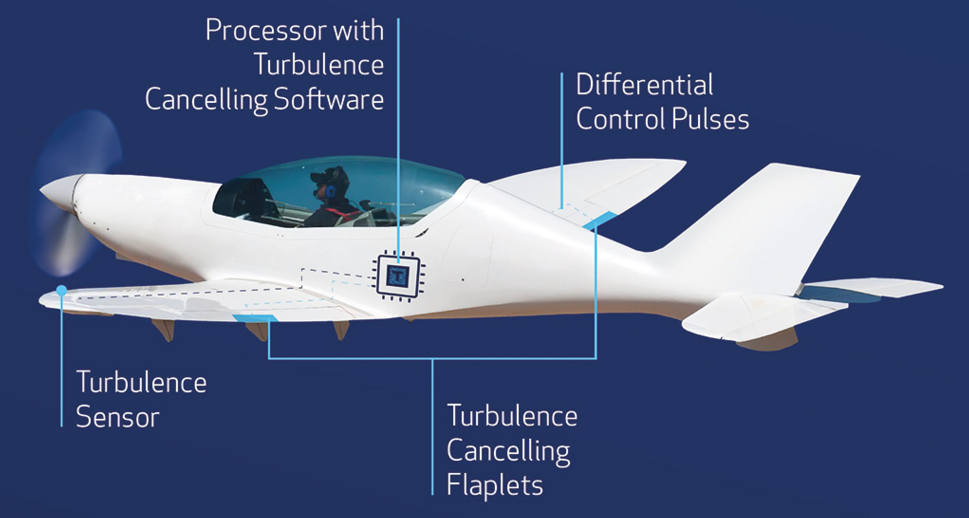
科技正在对抗湍流
航空公司正在通过采用更谨慎的安全措施和更先进的技术来应对这些挑战。例如,美国西南航空公司现在规定客舱服务必须在飞机达到 1.8 万英尺时结束,而不是过去的 1 万英尺,以便乘客更早系好安全带,公司认为这一措施可以减少约 20% 的受伤事故。同样,大韩航空已从经济舱菜单中取消热汤面,以避免突然颠簸时造成烫伤。在技术层面,得益于更先进的计算机模型以及其他飞机的实时报告,晴空湍流的预测准确率已从 20 年前的约 60% 提升到约 75%。研究人员还在探索更高科技解决方案,例如模仿仓鸮翅膀结构的机翼设计,或利用人工智能实时调节机翼襟翼来抵消湍流,不过这些技术距离在大型客机上应用仍需多年时间。目前来看,气候变化确实让飞行变得更加颠簸,但对普通旅客来说,最实际的建议依然非常简单:湍流可能会越来越多,但系好安全带依然是最有效的保护措施。
Airlines are responding to these challenges by adopting more conservative safety protocols and advanced technology. Southwest Airlines, for example, now requires cabin service to end at 18,000 feet rather than 10,000 feet to ensure everyone is buckled in sooner, a move they believe will reduce injuries by 20%. Similarly, Korean Airlines has removed hot noodles from its economy menu to prevent burn injuries during sudden turbulence.On the technological front, forecasting accuracy for clear-air turbulence has improved to about 75%, up from 60% two decades ago, thanks to better computer modeling and real-time reports from other aircraft.Researchers are exploring more futuristic solutions, including wing designs inspired by barn owls and AI-driven flap systems that could counteract turbulence in real time, but such technology is still years away from use on large commercial aircraft.For now, climate change is making the skies bumpier, but the main practical lesson for travelers remains surprisingly ordinary: turbulence may be growing, but fastening your seat belt is still the best defense.
Weekly 关键词 Key Words
turbulence 湍流
所属话题
The End is Nearish
相关阅读
https://www.bbc.com/news/articles/ckgy7jx082ro
Weekly FUN Quiz
相信现在你已经知道了为什么飞行越来越颠簸以及背后的科学原因了吧!那就快来参与本期Weekly FUN Quiz👇,告诉老师你的答案吧!
Quiz
With progression of global warming, which of the following predictions about airplanes is LEAST likely to be true?
随着全球变暖的加剧,以下关于飞机的预测中,哪一项最不可能成为现实?
A. Flights will experience more orographic turbulence than clear air turbulence 航班将遭遇比晴空湍流更多地形湍流
B. The time of cabin service will be shortened 客舱服务时间将缩短
C. The variety of in-flight meals will decrease 航班餐食种类将减少
D. Flight insurance rates will increase 航班保险费率将提高
E. The aviation industry will cause more pollution 航空业将造成更多空气污染
To WSC Scholars:
本期Weekly Quiz正确答案将在专栏下期推文中揭晓!欢迎小学者们关注服务号,进入“WSC Weekly”专栏,此栏目将会持续陪伴小学者们,分享更多WSC趣味学术知识!
the World Scholar's Cup