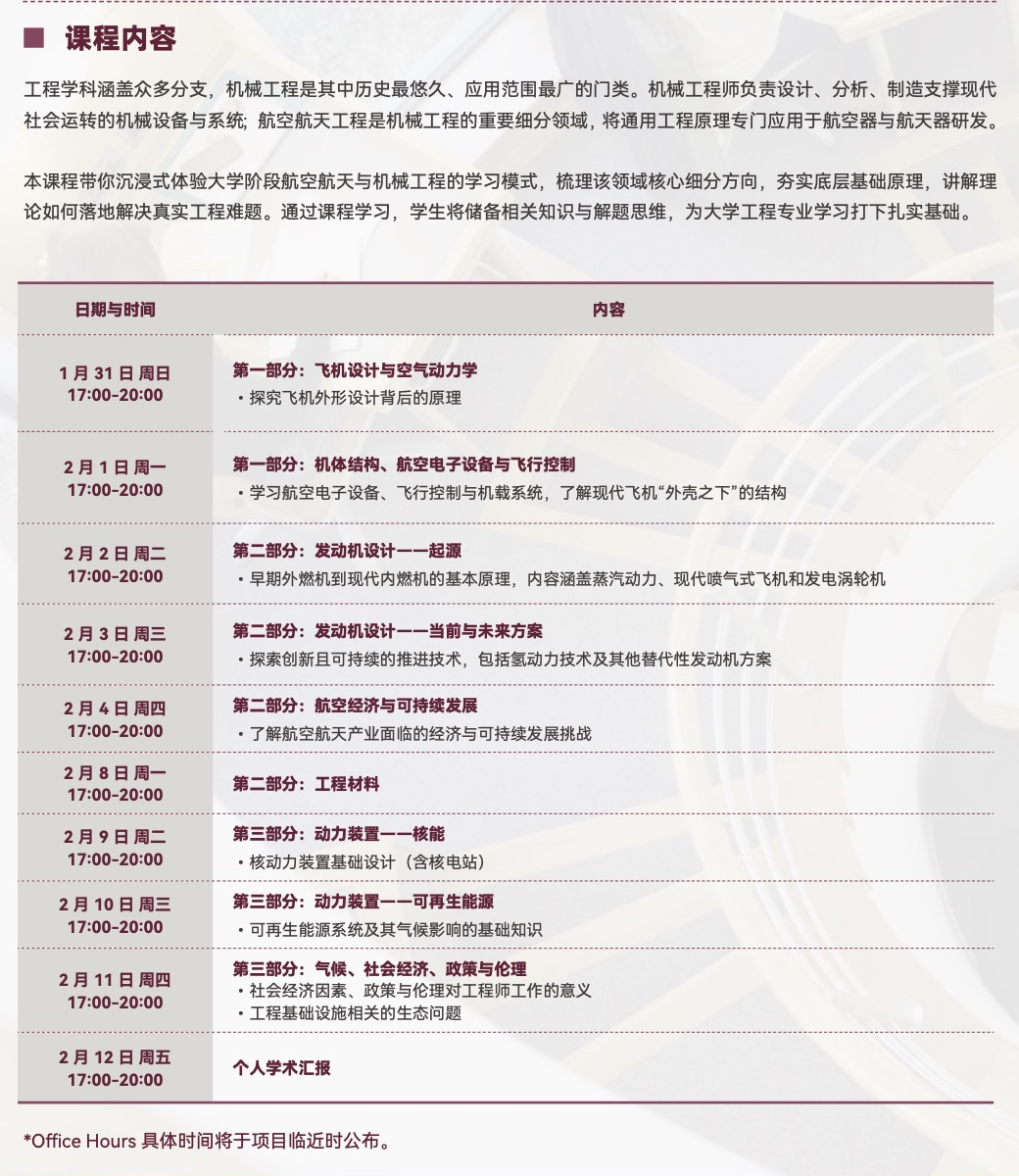


2026年度主题Are We There Yet?WSC Weekly专栏将精选最新话题内容
助力小学者准备世界学者杯!
让我们怀着
永恒的学术精神与信念
探索未来的无限可能吧!
锁定每周WSC Weekly
上期回顾&Quiz答案揭晓
在2026年世界学者杯第4期WSC Weekly栏目中,我们与小学者一起了解了绿野仙踪测试法。在上期的趣味Quiz中,你是否找到了正确答案?现在就让我们一起来揭晓吧!
你用的人工智能可能是人假扮的?
How do hidden humans behind the machine help build technology?
第04期Quiz答案揭晓:
Your company wants to sell a robot that automatically prepares breakfast. To use the Wizard of Oz technique in product testing, you will
你的公司计划销售一款能自动制作早餐的机器人。若要在产品测试中运用绿野仙踪测试法,你将
A.Secretly use a hidden human to remotely operate the robot's interactive responses.
秘密安排一名隐藏人员远程操控机器人的交互响应
B. Have a human chef openly perform the service to manually test the value of the menu.
安排一名真人厨师公开提供服务以测试该菜单的价值。
C. Use a non-working physical mockup to interview users about their expectations.
使用无法运行的实体模型向用户了解他们的期望。
D. Play a video showing an Al stimulation of the cooking robot.
播放一段展示烹饪机器人人工智能模拟的视频。
E. Conduct a survey to collect users' preference for the menu.
开展问卷调查收集用户对菜单的偏好。
正确答案: A
Key: A
2026年第5期
Weekly Intro
为什么没看完的小说总让你念念不忘?
还有停在悬念处的故事、没做完的任务、未说出口的话、电影的预告片,为什么它们总会在你的脑海里反复盘旋?
本期Weekly将带你解锁背后的“蔡格尼克效应”,搞懂大脑的 “未完成执念”,学会用它提效、也学会摆脱内耗!
2026 No.5
为什么没看完的小说总让你念念不忘?
Why do unfinished things stay in your head?
蔡格尼克效应

你可能有过这样令人抓狂的经历:你刚读完一部连载小说的最新一章,却发现下一章要等到下周才会更新,偏偏这一章停在最让人难受的地方。一个秘密刚刚被暗示,一段关系即将发生变化,一个重大决定却悬而未决。你关掉应用,故事却无法在你的脑海中“结束”。你开始反复猜测女主在那间上锁的房间里会发现什么,那位可疑的朋友是否真的是叛徒,以及这个悬念究竟会如何收场。
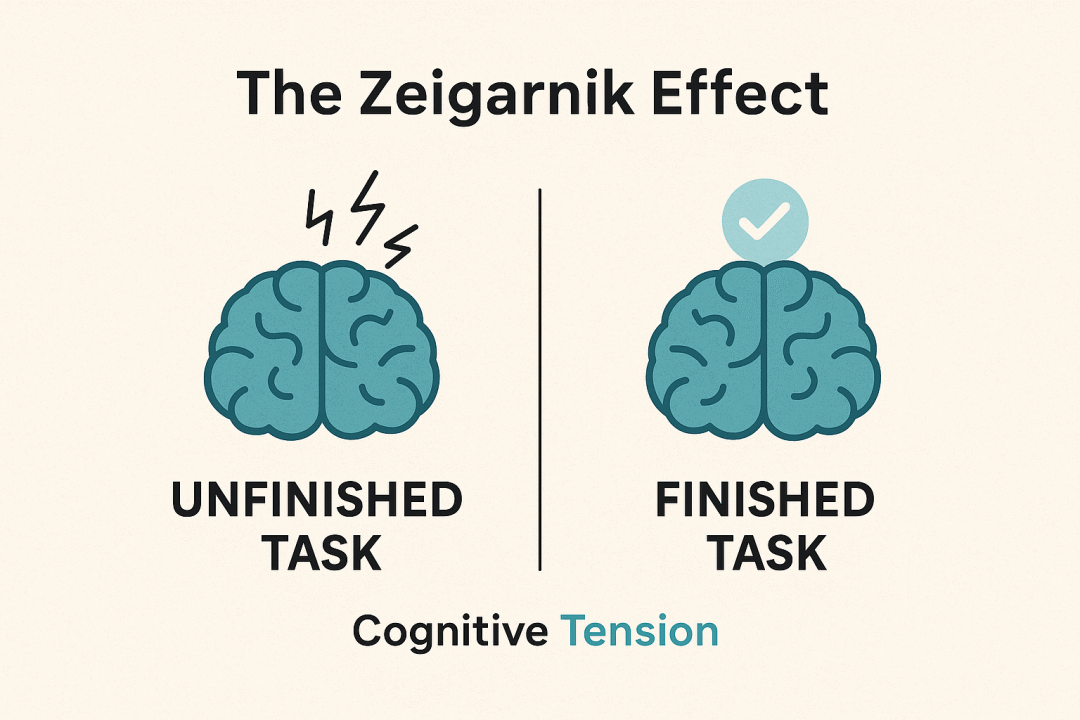
即使你去做别的事情,这个故事仍不断在脑中回旋。吃饭时你在想下一章,刷牙时你在回放最后一幕,试图入睡时大脑却不肯放手。这种常见体验揭示了一个深刻的心理事实:未完成的事情往往会以异常强烈的方式“黏”在我们心里。这种挥之不去的心理牵引力,不只是急切或好奇,而是一种关于记忆与注意力的强大规律,被称为蔡格尼克效应(Zeigarnik Effect)——即未完成或被中断的任务,比已完成的任务更容易在头脑中保持活跃。
You finish the latest chapter of a serialized novel, only to discover that the next chapter will not be released until next week. The chapter ends at exactly the wrong moment. A secret has just been hinted at, a relationship is on the verge of changing, and a major decision has been left unresolved. You close the app, but the story refuses to close inside your mind. You find yourself wondering what the heroine will discover in the locked room, whether the suspicious friend is actually a traitor, and how the cliffhanger will possibly resolve. Even when you turn to other things, the story keeps circling back. During dinner, you imagine the next chapter. While brushing your teeth, you replay the last scene. When you try to sleep, your mind refuses to let go. This common experience points to a deep psychological truth.Unfinished experiences often cling to us with unusual force.That restless mental pull is not just impatience or curiosity.It reflects a powerful pattern in memory and attention known as the Zeigarnik Effect, the tendency for interrupted or incomplete tasks to remain more active in the mind than completed ones.
蔡格尼克效应的核心
蔡格尼克效应的核心在于:未完成或被中断的活动,会在记忆中占据一种优先位置。未完成的任务会形成一种明显的认知负担,使其比已经完成的事情更容易被回忆。当你开始一项工作却没有完成时,即使你已经转去做其他无关的事情,这项工作仍会不时浮现在脑海中。这种潜在的紧张感使任务细节保持高度可提取状态,直到任务最终被“关闭”。一些研究者甚至认为,这种心理负担在目标长期未实现时,可能会导致负面的自我认知,比如“冒名顶替综合征”。从根本上说,大脑之所以不断“复习”这些信息,是因为它将未完成的状态视为一个亟需解决的问题。
The Zeigarnik Effect is formally defined by the power of uncompleted or interrupted activities to occupy a privileged place in human memory.Unfinished tasks create a distinct cognitive burden that weighs heavily on the mind, making them much easier to recall than tasks that have already been settled. When you begin a project but do not finish it, thoughts about the work often pop into your mind even after you have shifted your attention to other unrelated activities. This underlying tension makes the specific elements of the task more cognitively accessible until the work is finally discharged. Some researchers even suggest that this mental weight can contribute to negative self perception or feelings likeimpostor syndromewhen goals remain unfulfilled. Ultimately, the brain continues to rehearse this information becauseit views the lack of completion as a problem that requires resolution.
蔡格尼克效应的起源
这一心理原理最早由苏联心理学家卢玛·蔡格尼克(Bluma Zeigarnik)在1927年提出,灵感源于她在维也纳一家餐厅的偶然观察。她的导师发现,服务员能够惊人地记住尚未结账的复杂订单细节,但一旦顾客付款离开,他们往往很快就记不起刚刚提供过的菜品。蔡格尼克随后通过一系列控制实验来验证这一现象,让参与者完成串珠子、拼图或解数学题等任务。结果发现,那些在任务进行到一半时被打断的人,比那些顺利完成任务的人更容易记住任务内容,记忆概率甚至高出一倍。这一效应的运作机制揭示了人类记忆和信息处理的基本方式。信息通常在我们集中注意时,从感觉记忆进入短时记忆。由于短时记忆的容量和持续时间都有限,我们必须不断进行心理复述,才能防止信息被遗忘。而这种复述本身需要消耗大量心理资源。一旦任务完成,大脑就会停止这种额外的努力,从而释放出心理空间来处理新的信息。
This psychological principle was first described in 1927 by Soviet psychologist Bluma Zeigarnik after a chance observation in a Vienna restaurant. Her professor, the prominent psychologist Kurt Lewin, noticed that waiters had an incredible ability to remember complex orders in detail as long as they had not yet been paid. However, once the bill was settled and the transaction was complete, the waiters often could not remember the exact details of what had been served just moments before. Zeigarnik decided to test this phenomenon through a series of controlled experiments involving tasks like stringing beads, assembling puzzles, and solving math problems. She discovered that participants who were interrupted halfway through their tasks were twice as likely to remember what they were doing than those who finished undisturbed. The way this effect operates tells us a great deal about the mechanics of human memory and information processing.Information typically moves from sensory memory into short term memory when we pay close attention to it. Because short term memory is limited in both its capacity and its duration, we must constantly rehearse information to keep it from being forgotten.This active rehearsal requires a significant amount of mental effort and energy to maintain. Once a task is finally completed, the mind is able to let go of the extra effort and clear that mental space for new information.
蔡格尼克效应的应用
我们可以有意识地利用这一效应来提高效率并克服拖延。常识上,人们可能认为一次性完成任务最有效,但研究表明,被打断反而有助于记忆。如果你在备考,将学习分成多个阶段而不是长时间死记硬背,可以让大脑在休息期间仍不断回到学习内容上。此外,在面对一个令人生畏的大任务时,只需迈出一个很小的第一步,就能产生足够的心理张力,促使你日后继续完成它。一旦任务被“开启”,大脑就会不断提醒你,直到目标达成。这种方式可以帮助你一步步推进目标,同时保持完成任务所需的心理动力。在现代媒体和营销中,这一效应也被广泛运用。电视剧常常在高潮处设置悬念,让观众迫切想知道后续发展,从而记得继续观看。电影预告片则通过展示关键情节却不揭示结局,激发观众的好奇心。这些策略本质上都是利用蔡格尼克效应来维持观众的参与感。
We can strategically harness the Zeigarnik Effect to improve our productivity and overcome the common habit of procrastination. While common sense might suggest that finishing a task in one sitting is most efficient,being interrupted can actually improve your ability to remember information. If you are studying for an exam, breaking up your sessions into increments rather than cramming allows your mind to return to the material during breaks. Additionally, taking the first small step on a daunting project can create enough internal tension to motivate you to finish it later. Once you have started but not finished the work, you will find yourself thinking about it until the goal is finally reached. This approach allows you to move closer to your objectives one step at a time while maintaining the mental momentum needed for completion. Modern media creators and marketers frequently use the Zeigarnik Effect to ensure that audiences remain engaged and attentive.Television writers often end episodes with high action cliffhangers that leave the fate of a character or a situation completely unresolved.These endings create a sense of tension that motivates viewers to remember to tune in for the next installment to find out what happens.Similarly, movie trailers are carefully designed to tease the audience with intriguing plot points without providing the full resolution.
蔡格尼克效应的负面影响
不过,蔡格尼克效应也可能带来负面影响。如果未完成的任务不断积累,侵入性的思绪可能会引发压力与焦虑,甚至影响睡眠。在人际关系中,未被处理的负面事件也更容易被反复记起,从而逐渐侵蚀信任。幸运的是,有一种实际可行的方法可以缓解这种心理干扰,而不必立刻完成整个任务。研究表明,仅仅为尚未完成的目标制定一个具体而清晰的计划,就可以显著减少这些侵入性思维。将完成路径明确下来,相当于向大脑发出信号:这个任务已经被纳入管理之中,从而释放其带来的认知负担。这样一来,宝贵的心理资源就能被腾出来,用于处理其他更紧迫的事务。
Although the Zeigarnik Effect can be a helpful tool, it can also lead to mental strain if unfinished tasks begin to pile up. Intrusive thoughts about uncompleted goals can cause stress and anxiety which may eventually interfere with your ability to sleep. In interpersonal relationships, this effect may explain why unprocessed negative events have the power to undermine intimacy. Such events are often preferentially remembered and mentally replayed until they erode trust between partners. Fortunately, there is a practical way to silence these intrusive thoughts without necessarily completing the entire task immediately.Research has established that simply creating a specific and detailed plan for unfulfilled goals can eliminate the mental interference.Drafting a formal commitment to a completion plan signals to the brain that the task is being managed, which releases the underlying cognitive burden. This process effectively frees up valuable cognitive resources that can then be applied to other more pressing pursuits.
Weekly 关键词 Key Word
Zeigarnik Effect
蔡格尼克效应
所属话题
More To Do Than Can Ever Be Listed
相关阅读
https://www.psychologytoday.com/us/basics/zeigarnik-effect
https://www.verywellmind.com/zeigarnik-effect-memory-overview-4175150
Weekly FUN Quiz
相信现在你已经了解了蔡格尼克效应背后的原理与应用!那就快来参与本期Weekly FUN Quiz👇,告诉老师你的答案吧!
Quiz
Alpaca company wants to create a to-do list app that helps procrastinators prepare for the World Scholar's Cup. According to the Zeigarnik Effect, which of the following apps will be LEAST effective?
羊驼公司想要开发一款待办事项APP,帮助拖延症的学生备战世界学者杯。根据蔡格尼克效应,以下哪一款APP最不可能有效?
A. An app that breaks the massive WSC syllabus into many small, sequential sub-tasks. 一款把庞大的 WSC 课程大纲拆分成许多小而连续的子任务的APP。
B. An app that sends "nudge" notifications specifically for tasks that have been started but paused. 一款专门针对那些开启开始但暂停了的学习任务发送提醒通知的APP。
C. An app that allows users to archive and hide unfinished tasks to reduce visual clutter. 一款允许用户将未完成任务归档并隐藏起来,以减少视觉杂乱的APP。
D. An app that displays a prominent "80% Complete" progress bar for an unfinished study task. 一款在未完成的学习任务旁显示醒目的“已完成 80%”进度条的应用。
E. An app that prevents users from starting new tasks until their current "active" task is finished. 一款在当前“进行中”的任务完成之前,阻止用户开始新任务的APP。