

WSC Weekly
2026世界学者杯
the World Scholar's Cup
@WSC小学者们!Jerry喊你来看
WSC Weekly专栏啦!
2026年度主题
Are We There Yet?
WSC Weekly专栏将精选最新话题内容
助力小学者准备世界学者杯!
让我们怀着
永恒的学术精神与信念
探索未来的无限可能吧!
锁定每周WSC Weekly
上期回顾&Quiz答案揭晓
在2026年世界学者杯第6期WSC Weekly栏目中,我们与小学者一起学习了如何识别AI生成的文章。在上期的趣味Quiz中,你是否找到了正确答案?现在就让我们一起来揭晓吧!
如何分辨一篇文章是不是AI写的
How to spot an AI-generated text?
第06期Quiz答案揭晓:
A teacher ask her students to write a report on the importance of alpacas. Below are excerpts from the assignments of five students. Which one is most likely to be generated by AI?
一位老师让学生以“羊驼的重要性”为主题写一份报告,以下是五名学生的作业摘录。哪一段最可能是由人工智能生成的?
A. I read that alpacas are super smart because they all use one communal dung pile in their pasture. It's weird but actually helps stop parasites from spreading through the whole herd. They are basically the cleanest livestock we can get.
我读到过,羊驼非常聪明,因为它们在牧场上都共用一个粪堆。这虽然奇怪,但实际上有助于防止寄生虫在整个羊群中传播。它们基本上是我们能找到的最干净的家畜。
B. In the Puno region of Peru, alpaca farming supports over 150,000 families. The Vicugna pacos is uniquely adapted to high altitudes where cattle struggle to survive, making them the primary economic backbone of the Andean plateau.
在秘鲁普诺地区,羊驼养殖养活了超过15万个家庭。羊驼(学名Vicugna pacos)独特地适应了高海拔环境,那里连牛都难以生存,这使得它们成为安第斯高原的主要经济支柱。
C. The alpaca serves as a testament to the vibrant cultural heritage of the Andes. It is not just an animal for fiber, but also a pivotal figure in the broader ecological tapestry, marking a significant shift in how we approach sustainable livestock management today.
羊驼是安第斯地区丰富文化遗产的见证。它不仅是一种提供纤维的动物,更是广阔生态图景中的关键角色,标志着当今可持续畜牧管理方式的重要转变。
D. Alpacas are better than sheep because they dont have that oily lanolin in their wool. This means it's easier to process and you don't need harsh chemicals to wash it. Plus, their fleece is flame-resistant, which is pretty cool for baby clothes and stuff.
羊驼比绵羊更胜一筹,因为它们的毛中不含油腻的羊毛脂。这意味着羊驼毛更易于加工,清洗时无需使用强效化学剂。此外,它们的毛还具有阻燃性,这对婴儿服装等产品来说很好。
E. At the 2024 International Alpaca Festival, judges emphasized that 'crimp' and 'staple length' are the two most important factors for elite breeding. Without these specific traits, the wool loses its loft and becomes less valuable for high-end luxury garments.
在2024年国际羊驼节上,评委们强调卷曲度和纤维长度是精英育种的两大关键因素。若缺乏这些特定特征,羊驼毛会失去蓬松感,从而降低其在高端奢侈服装中的价值。
正确答案: C
Key: C
2026年第7期
Weekly Intro
你肯定有过这样的经历:刚走出卧室,就突然忘了自己本来要做什么?站在原地疯狂回忆,却怎么也想不起来。
本期Weekly将带你就一起拆解背后的原理,帮你彻底读懂大脑的记忆机制,再也不用为 “跨门忘事” 焦虑!
2026 No.7
忽然忘记自己要做什么
是脑子坏了吗?
The secret of the doorway effect

怎么一出门就忘事?
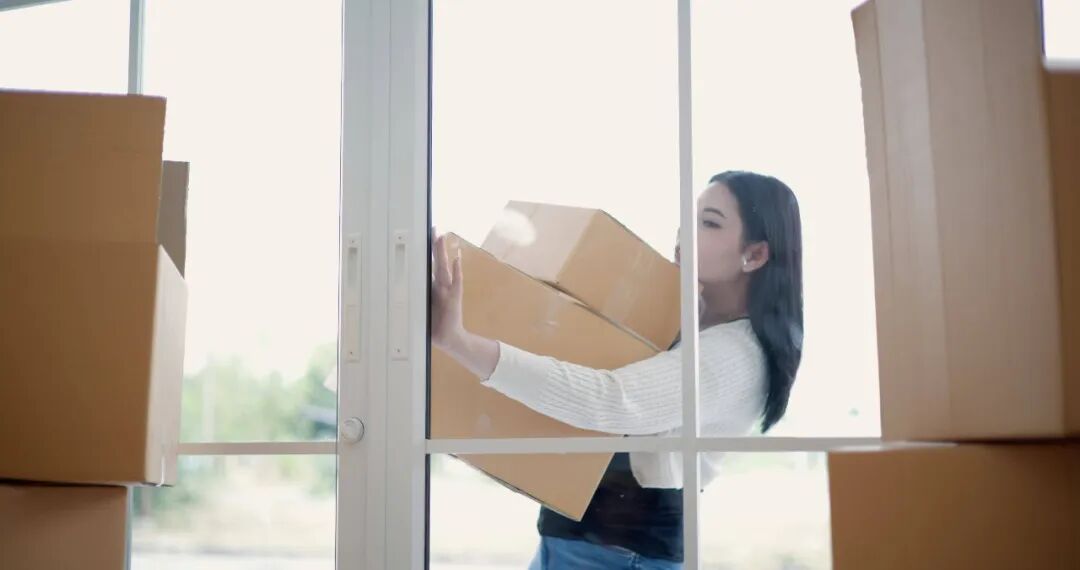
你从卧室走出来,心里有一个很明确的目标。你想要去厨房倒一杯水,或者去客厅拿耳机,又或者去书房找充电器。但就在你跨过门槛的那一刻,这个目的突然消失了。你停下来,四处张望,完全想不起自己为什么会走进这个房间。很多人会把这种情况归因于压力、分心,或者年龄增长。但心理学家提出了一个更出人意料的解释:有时候,真的就是“门”本身触发了遗忘。这种奇怪却非常常见的体验,被称为“门口效应”。
You leave your bedroom with a clear mission. You are going to the kitchen to get a glass of water, or to the living room to grab your headphones, or to the study to find a charger. But the moment you step through the doorway, the purpose vanishes. You stop, look around, and wonder why you came in at all. Many people blame this on stress, distraction, or getting older. Yet psychologists have proposed a more surprising explanation. Sometimes, it really is the doorway itself that helps trigger the forgetting. This strange and very common experience is known as the doorway effect.
是“门”在干扰记忆?
所谓“门口效应”,是指当一个人从一个房间进入另一个房间时,记忆会变得不那么可靠。这一理论最早由Gabriel Radvansky及其在美国圣母大学的同事通过一系列实验进行了实证。在其中一项研究中,参与者坐在电脑前,在一个类似简单电子游戏的虚拟环境中移动。他们需要从一张桌子上拿起一个彩色物体,并“隐形”地携带它(仿佛放在虚拟背包中),再把它带到另一张桌子。有时他们在同一个房间内行走相同的距离,有时则需要穿过一道门进入另一个房间。在某些时刻,研究人员会询问参与者他们手中拿的是什么物体。结果非常明显:当参与者穿过门后,他们的记忆反应更慢、准确率更低,而在同一房间内走同样距离的记忆表现更好。换句话说,“门”本身似乎干扰了记忆。
The doorway effect refers to the tendency for memory to become less reliable when a person moves from one room into another. This idea was tested in a series of experiments by Gabriel Radvansky and his colleagues at the University of Notre Dame. In one study, participants sat at a computer and navigated through a virtual environment, rather like a simple video game. They would pick up a colored object from one table and carry it invisibly, as if it were in a virtual backpack, to another table. Sometimes they walked the same distance within a single room. Other times they had to pass through a doorway into a different room. At certain moments, they were quizzed about which object they were carrying. The result was striking. People were slower and less accurate at remembering after they had gone through a doorway than after walking the same distance within the same room. In other words, the doorway itself seemed to interfere with memory.
确实是“门”在干扰记忆!
为了排除虚拟环境的影响,研究人员后来又在真实房间中进行了类似实验。参与者需要把物体放在鞋盒中从一张桌子搬到另一张桌子,这样他们无法低头查看自己拿的是什么。结果再次表明,与在同一房间内移动相比,穿过门之后记忆表现更差。这一发现更具说服力,因为这说明这种现象并不仅仅存在于电脑模拟中,在现实空间中同样成立。也就是说,走过一道门,确实会让人更容易忘记刚才在做什么。
To make sure this was not just a quirk of virtual reality, similar experiments were later conducted in real rooms. Participants physically carried objects in shoeboxes from table to table so they could not simply glance down and remind themselves what they were holding. Once again, memory got worse after they passed through a doorway compared with when they traveled the same distance inside one room. That made the effect more convincing. It was not just something about a computer screen or a simulated game world. The same basic pattern appeared in everyday physical space. Walking through a doorway really did make people more likely to forget what they had just been doing.
“门”建立起来的“边界”
你可能会认为遗忘是因为环境发生了变化。心理学早已发现,当回忆时的环境与学习时的环境一致时,记忆表现会更好,这被称为“编码特异性原则”(the encoding specificity principle)。但“门口效应”的实验表明,环境变化并不能完全解释这一现象。在一项变式实验中,参与者穿过一道门进入另一个房间,然后再通过另一道门回到原来的房间。如果回到原来的环境可以恢复记忆,那么他们的回忆表现应该会改善。但结果并没有明显提升。这说明问题不仅仅在于房间不同,而在于“跨越边界”这一行为本身会促使大脑更新其认为重要的信息。
At first, you might think this happens only because the context changes. Psychologists have long known that memory tends to work better when the setting at recall matches the setting where learning happened. This is called the encoding specificity principle. But doorway experiments suggest that context change is not the whole story. In one variation, participants went through a doorway and then through another doorway that brought them back to the original room. If returning to the old room restored the original memory context, recall should have improved. It did not improve much. That suggests the issue is not simply that the room looks different. Instead, the act of crossing a boundary seems to encourage the brain to update what it considers relevant.
事件模型
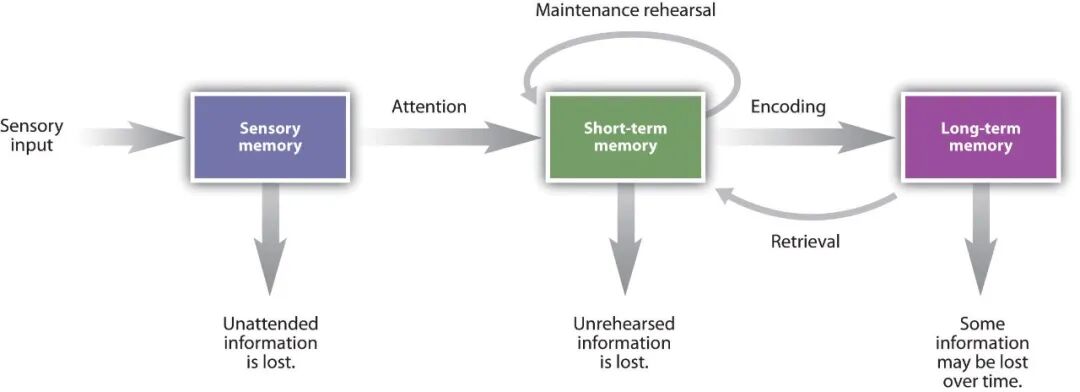
研究者用“事件模型”(event model)来解释这一现象。根据这一模型,大脑不会始终保持对周围所有细节的全面激活,那样既低效又令人不堪重负。相反,大脑会把我们的经历组织成有意义的“片段”或“事件”。当你在一个房间里做事时,大脑会构建一个短期的心理模型,其中包含你正在进行的任务、相关物品以及你的即时目标。但当你进入一个新的空间时,大脑可能会把这一动作当作一个新事件的开始。于是,它对前一个事件细节的保持能力就会下降。如果你在办公室里拿着一个杯子,那么这个模型就包括杯子以及“把它带到厨房”的目标。但当你进入厨房时,大脑会开始构建一个新的模型,而旧的模型则被暂时搁置。这个系统大多数时候运作良好,它帮助我们高效生活,而不必携带过多心理负担。问题在于,它有时会“提前清除”我们仍然需要的那一点信息。
Researchers explain this using the idea of an event model. Your mind does not keep every detail of your surroundings fully active all the time. That would be wasteful and overwhelming. Instead, your brain organizes experience into meaningful chunks, or events. When you are working in one room, your mind builds a short term mental model of what you are doing there. That model includes the task, the relevant objects, and your immediate goal. But when you cross into a new space, your brain may treat that movement as the start of a new event. In doing so, it becomes less ready to hold onto the details from the previous one. If you are in your office holding a mug, your model includes the mug and the goal of taking it to the kitchen. But once you enter the kitchen, your brain may begin constructing a new model for the new setting and the he old one gets pushed aside. This system usually works very well. It helps us move through life efficiently without carrying too much mental clutter. The problem is that it can occasionally erase something we still needed for a few seconds longer.
其实是大脑在正常工作!
因此,“门口效应”并不意味着你的记忆出现了严重问题。它不是认知能力衰退的证据,也不代表存在医学上的异常。相反,它反映的是一个总体上运行良好的记忆系统。大脑始终在决定哪些信息需要保留,哪些可以舍弃。跨过门槛通常意味着一个事件的结束和另一个事件的开始,大多数情况下这是有益的。只有在那些略显尴尬的瞬间(比如你走进厨房却忘了自己来干什么),这个系统的“副作用”才会显现出来。
This is why the doorway effect is not a sign that your memory is failing in some dramatic way. It is not proof of cognitive decline, and it does not automatically mean anything is medically wrong. In fact, it reflects a memory system that is generally doing its job. Your brain is constantly deciding what information should stay active and what can be discarded. Crossing a doorway often signals that one event has ended and another has begun. Most of the time, that is useful. Only in those awkward moments, when you arrive in the kitchen and forget why you came, does the system reveal its downside.
Weekly 关键词 Key Word
the doorway effect
门口效应
所属话题
The Lovely and the Liminal
相关阅读
https://www.scientificamerican.com/article/why-walking-through-doorway-makes-you-forget/
Weekly FUN Quiz
相信现在你已经了解了“门口效应”背后的秘密!那就快来参与本期Weekly FUN Quiz👇,告诉老师你的答案吧!
Quiz
Which of the following scenarios can the Doorway Effect explain LEAST?
以下哪种情况最难以用“门口效应”来解释?
A. Forgetting why you walked into the garage after passing through the door connecting it to the kitchen.
从厨房走进车库后,忘记自己为什么要去车库。
B. Losing track of a specific search query after navigating from a complex research database to a new, blank browser tab.
从一个复杂的研究数据库页面切换到一个全新的空白浏览器标签页后,忘记了刚才的具体搜索内容。
C. Realizing you have forgotten the purpose of your trip to the supply closet after walking through a wide, doorless archway.
穿过一个宽阔但没有门的拱形通道后,发现自己忘记了去储物间的目的。
D. Forgetting the name of the person in the middle of the five people introduced to you at a party while standing in the living room with a grand arched doorway.
在有豪华拱门的客厅参加聚会时,忘记了刚刚介绍的五个人里中间那个人的名字。
E. Forgetting a specific objective in a video game after your character walks through a portal into a new, distinct level map.
在电子游戏中,角色通过一个传送门进入全新的地图后,忘记了原本的具体任务目标。