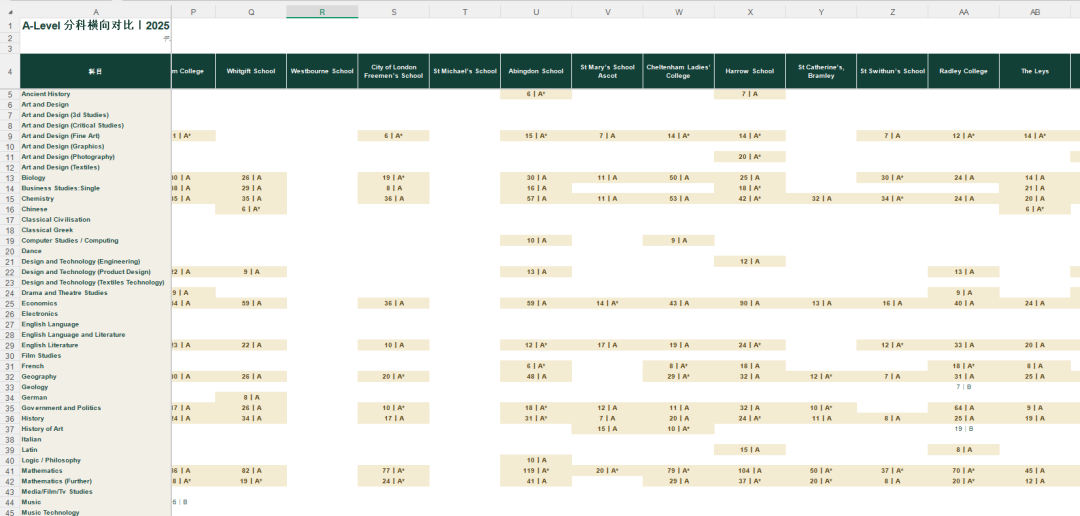


早申请季,没人能逃脱写文书时的抓耳挠腮!
当学员们还在为文书焦虑时,美本院校排名的变化也一波接一波传来。
最近备受关注的U.S. News 美国大学排名发布。MIT 登顶全美第一,加州理工学院大幅跃升至第 5、与斯坦福并列,CMU 升至第 14,佐治亚理工学院也首次跻身全美 Top 30。
总体来看,排名会变,但一所大学长期积累的师资、科研实力和教育资源,却不会在短短一年之内发生翻天覆地的变化。
因此,与其关注变化的排名,倒不如在申请季,沉下心来处理申请材料。
困扰人的理工科文书,该如何下笔?
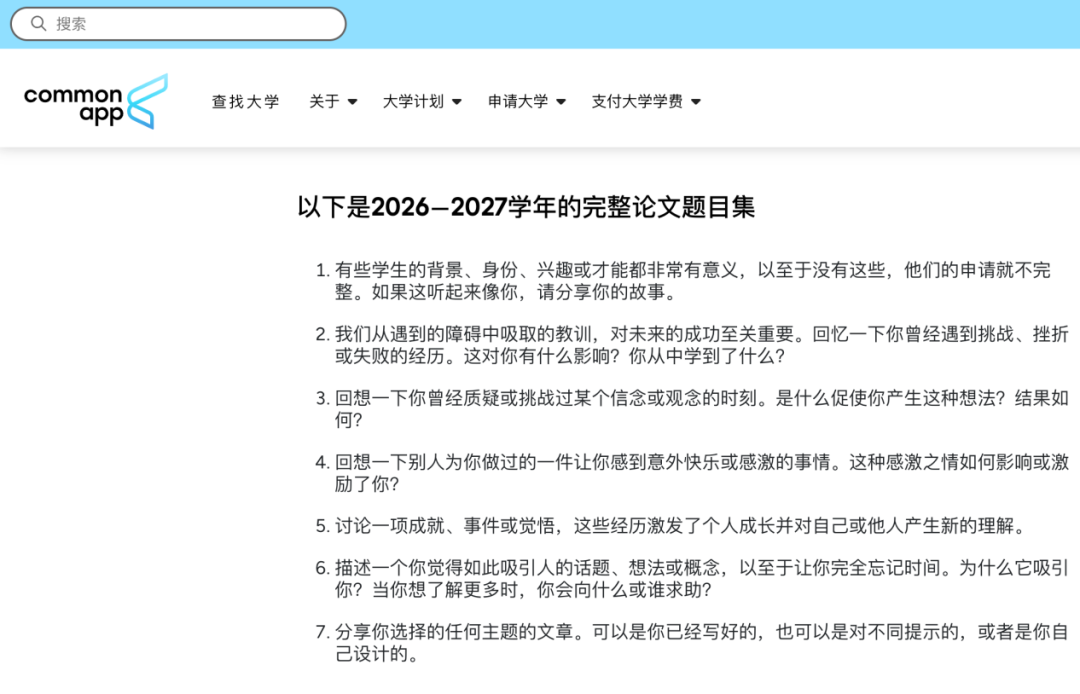
图丨common app 2026-2027文书题目
- 担心内容过于技术化,招生官看不懂,会不会影响申请;科创、科研和竞赛经历究竟应该占据多大篇幅?
- 如何把自己的项目经历和活动背景结合起来,有更好的申请主线?如果不写项目,又该如何证明自己的专业能力?
- 找不到灵感,不知道写什么……
文末附有理工科学校补充文书内容
1
藤校优秀理工科文书长啥样?
今年哈佛大学公布了2025-2026优秀文书,其中一篇讲述一个理工科申请者与一本书之间的故事。
文书中没有大篇幅描述stem,而用一本书的启发和一座陌生城市的奔赴,描绘一个申请者的好奇心与求知欲。
①文书案例一
当持久的追问遇上不渝的行动,最终诞生了“顿悟”般的答案。
哈佛大学 作者:Jill
中文译文
在老师把一本布满灰尘、封面褪色的《麦田里的守望者》递给我之前,我从不算一个爱读书的人,也不喜欢英语课。我知道人们常说“不要以貌取人”,可这本书的外表没有任何吸引我的地方。没有灵光乍现,也没有所谓的“顿悟时刻”。高中以来,我一直偏爱 STEM,因此并未对一本小说抱有太大期待。然而,随着一页页读下去,我开始好奇霍尔顿·考菲尔德为何会有那样的行为。我想知道他精神失常的根源。很快,我便无法放下这本书。我必须找到答案。研究过程中,我发现这本书还有一部要到 2060 年才出版的前传。我每天都迫不及待地等着英语课上的讨论,如今却要为前传再等四十年?我从未像那一刻一样希望时间旅行真的存在。
为了满足这份好奇,我联系普林斯顿大学,因为那部未出版的前传就收藏在那里。几天的邮件往来后,我获准前往查阅。于是,我买了一张火车票,第一次独自出行,只为读到它。四小时的车程里,我不断想着:我从没料到,自己竟会为了读一本书踏上了列车。从纽约换乘新泽西交通列车时,我甚至问自己:“我真的要这样做吗?”但我没有回头。坐在普林斯顿图书馆的受限阅览室里,我意识到,这本书已经彻底改变了我对文学的看法,也让我发现了自己对成长小说的兴趣。这类作品揭示出社会中一个严酷的事实:许多故事并没有圆满的结局。
我不仅找到了困扰自己数周的问题的答案,也开始找到大学里想研究的方向,以及自己真正期待的“梦校”是什么样子。这本书让我发现了对社会科学的兴趣。人们常用“这又不是火箭科学”形容一件事并不难,但这种说法其实很容易误导。正如计算机科学家邓肯·沃茨所说,我们习惯把难题与天体物理学等自然科学联系起来,可 NASA 已经成功发射了数百枚火箭;真正难以预测的,或许是社会科学中的问题。我们花了许多年研究大脑,却仍无法准确预测人的行为。神经科学连接了心理学与生物学,也是在当下最接近“读心”和预测行为的学科。
离开普林斯顿的那天,我给英语老师发了邮件,分享自己的新发现。回到学校后,他告诉我,在他多年的教学生涯中,从未有学生像我这样,为一个问题独自踏上旅程。正是因为这本书,我开始主动走出课堂,寻找那些能够把讨论推向更深处的问题。申请大学时,我也在寻找一所同样把求知探索放在重要位置的学校:在那里,我既能遇见志趣相投的人,也能与思想开放、观点不同的人交流。
高中阶段,我一直缺少归属感。多重兴趣与少数族裔背景让我很难融入某个固定群体,因为我身上总有一部分显得与众不同。这正是哈佛吸引我的地方。在哈佛,学习不会随着下课而停止。我可以在南亚女性联盟中与他人讨论文化,通过哈佛本科生 PRIMUS 结识背景相近的伙伴,参加 PRISE 暑期研究项目,或加入不同主题的读书会。哈佛所展现的,正是我期待的求知探索与社群生活。更重要的是,我可以继续追求跨学科兴趣:既学习 STEM 课程,也在 Asani 博士的课堂里接触南亚文学。我不想放弃 STEM、文学或社会科学中的任何一种兴趣,而在哈佛,我不必做出这样的取舍。
英文原文
I was never a reader, nor did I like English class until my teacher handed me a dusty, color-faded book titled The Catcher in the Rye. I know, "never judge a book by its cover," but nothing interested me about that book. No light bulb clicked, and no "aha" moment happened. Throughout high school, I've been very STEM-oriented, so I didn't expect much from a book. However, with every flipping of the page, my curiosity about the cause of Holden Caulfield's behavior sparked. I wanted to understand the root of his mental instability. Soon, I couldn't put the book down. I had to know why. I began researching the book and found there was a prequel to it that would be published in 2060. I could hardly wait until English class for our book discussion every day, and this prequel was asking me to wait 40 years? Never more did I wish that there was a way in which I could time travel.
I had to find an answer to feed my curiosity, so I contacted Princeton University, the place where the unpublished prequel sits. After a few days of emailing, asking if I may visit to view the work, I bought a train ticket and traveled on my own - something that I had never done before - to read the prequel. On the four hour journey to Princeton, I contemplated how I never thought I'd find myself on a train for a book. In between switching trains from NY to NJ transit, I thought to myself, "am I really doing this?" But I didn't turn back. As I sat in the secured space of the Princeton library, I reflected on how this book changed my entire perspective on literature and how through it, I've learned that I have an interest for coming-of-age literature. This genre reveals the harsh truth of society, which is that oftentimes, there are no great endings.
Not only did I find the answer to the question that I kept in my mind for weeks, but I also found the answer to what I may want to do in college and what I want in my "dream school." This book helped me discover my interest in social sciences. We use the phrase "this isn't rocket science" to depict effortless tasks, but that's very misleading. As computer scientist Duncan Watts said, we associate difficulty with sciences such as astrophysics, but NASA has launched hundreds of rockets; difficulty should be associated with social sciences. We spend years studying the brain but are still unable to predict human behavior. Neuroscience is a marriage between psychology and biology, and for now, it's the closest we can get to mind-reading and predicting behavior.
After leaving Princeton that day, I emailed my English teacher and shared my newfound knowledge with him. When I returned to school, he told me that in all his years of teaching, no student had ever embarked on an intellectual experience like I had. As a result of that one book, I became a student who surpasses the thresholds of the classroom and now searches for more topics that push conversations beyond classroom discussions. When applying to college, I looked for a college that values that same concept - intellectual exploration - over anything else: a place where I would be surrounded by people who are not only like-minded, but also open-minded.
I've missed out on community in high school. Having multiple interests and minority backgrounds, making friends was challenging because some aspect of me would always stand out. That's where Harvard fits in. At Harvard, learning doesn't stop once you leave the classroom. Whether it's discussing culture with others in the South Asian Women's Collective, making friendships with people of common background through Harvard Undergraduate PRIMUS, engaging in summer research through the PRISE program, or joining one of various book clubs, Harvard screams intellectual exploration and community. Furthermore, at Harvard, I can pursue interdisciplinary interests. I can take STEM classes while simultaneously being immersed in South Asian literature studies in Dr. Asani's class. I don't want to give up any of my interests - STEM, literature, or social sciences - and at Harvard, I won't have to.
滑动查看英文原文
案例总结
这篇文书没有把理科活动写成主角。真正推动故事的是一个跨学科问题:作者从《麦田里的守望者》出发,主动联系普林斯顿、独自前往查阅资料,并由此重新理解自己的学术兴趣。这个故事展示的申请者底层的能力:对问题保持好奇,主动寻找资源,并让一次探索继续影响选课、社群选择与大学规划。
而在约翰斯·霍普金斯大学公布的优秀文书里面,我们又看到另外一种写作方式。
②文书案例二
数学不仅是一个学科,更是一种具有创造力的学习和生活态度。
约翰斯·霍普金斯大学
中文译文
突击测验:一只鸟以每小时三十公里的速度穿过纽约清晨清冽的空气,在摩天大楼之间飞行。太阳从地平线上升起,刺眼的光线让它看不清前方。它在帝国大厦明亮的玻璃幕墙上看见自己的倒影,但为时已晚。我们该如何利用速度、角度、距离和力,计算玻璃碎裂的位置?
对我而言,数学不只是数字。它是一种观察运动如何发生的方式,也是想象力与物理世界的结合。解决问题时,我并非只是在纸上写下一串数字;我会在脑海中看见过山车的螺旋轨迹、水滑梯上的摩擦力,以及一颗小行星撞向地球时的运行曲线。
高中课堂把预微积分拆成一连串按部就班的操作步骤时,我感觉自己曾热爱的鲜活世界忽然变成了黑白画面。同学们日渐消退的兴趣也印证了这一点:在他们眼里,数学是一项单调的任务,而不是一种具有无限解释力和创造力的通用语言。我必须做点什么,让他们看见我所看见的数学。
这促使我开始为同学设计富有创意的数学题。我的参数方程题并不是一步就能算完的简单习题,而是一个个令人兴奋、充满电影感的世界。它们邀请同学把数学当作一种探索外部世界、也探索内在自我的方式,而这正是我们的课堂所缺少的。
每当我提出那道标志性的“小鸟撞窗”问题,同学们都会兴奋地围在白板旁,一起揭开其中的奥秘。看着热烈的讨论展开,看着每一幅图和每一行推演把他们带得离答案更近,我感到由衷满足。他们终于得出答案时流露的自豪,也一次次提醒我:这正是我愿意教数学的原因。
此后,我逐渐把问题设计磨炼成一门技艺,并在 Teachers Pay Teachers 平台上制作数学测验与练习,让世界各地的教师都能把这些充满想象力的问题带进课堂。我希望学生不仅能掌握所学概念,也能发展批判性思维与推理能力,从而找到应对现实生活中各种挑战的新方法。
我也把数学带到了习题与测验之外。作为数学奥林匹克社团的队长,我用数学把困惑的表情变成笑声和兴奋,也用它考验队友的勇气、凝聚团队。当我辅导 Mu Alpha Theta 的学生或在 Wall Street Lions 授课时,数学又成为一种共情与连接的语言,让我能走近那些兴趣不只在 STEM 的学生。在我与他人共同创办的非营利组织 CivicSpark 中,我甚至不必使用数字,也能运用数学的逻辑与推理。通过一套由创意谜题组成的课程,我帮助南加州多所学校的学生主动联系民意代表,推动真实的改变。
就这样,我把数学当作画笔,让画布延伸到视觉之外,触及那些对我真正重要的事,也为生活注入更多意义与温度。正是这种创造力,让我想继续学习应用数学。对我而言,没有什么挑战比把数学用于解决现实问题更充实。但我还想再向前一步:如果每一次计算都是一个故事,那么成为讲故事的人意味着什么?这种智识上的创造力,又能如何改变世界?
至于那只在办公楼玻璃上看见自己倒影的鸟,也许真正重要的并不是撞击的力量,而是碰撞之后发生的一切:碎裂的玻璃把一个倒影变成成千上万种视角,原本封闭的屏障被打开,显露出此前看不见的空间,也打开了通向下一刻的无限可能。
英文原文
Pop quiz: A bird shoots through the crisp morning air of New York City, dodging skyscrapers at a speed of thirty kilometers per hour. The sun breaks through the horizon, blinding the bird in both eyes. The bird manages to catch its reflection in the shining glass of the Empire State Building—but by that time, it's too late. How do we use velocity, angles, distance, and force to find the point at which the glass shatters?
For me, math is more than just numbers. It's a mode of visualizing movement in action, the synthesis of my imagination and the physical world. When I'm problem-solving, I'm not just generating a string of numbers on paper. I'm picturing the spiral of a rollercoaster, the friction of a waterslide, and the curvature of an asteroid's impending collision with Earth.
In high school, when precalculus was taught as a series of step-by-step instructions, it felt like the vivid and colorful world I had come to love was being broadcast in black and white. I saw this reflected in the growing disinterest of my classmates, who saw math as a monotonous chore rather than a universal language with boundless explanatory and creative power. I had to step in. I had to show people what I saw.
This inspired me to begin writing creative math questions for my peers. My parametric equations are not simple problems with one-step calculations– they are cinematic universes that jolt audiences with excitement. They invite others to embrace mathematics as a practice of external—and even internal—discovery that was missing in my school.
When I present my famous “bird crashing into the window” problem students enthusiastically gather around the whiteboard to uncover its mysteries. I watch their impassioned discussions unfold with a sense of satisfaction as each drawing and scribble brings them closer to the truth. Witnessing their pride as they finally arrive at the answer reminds me of why I teach.

I've since honed question-design into an art, creating math tests and exercises for Teachers Pay Teachers so that teachers around the world can give my imaginative questions to their students. I hope that students not only learn the concepts I'm teaching– but also critical thinking and reasoning that provides new ways to solve challenges in their lives.
I have also used the medium of math beyond problem sets and assessments. As captain of the Math Olympiad, I use it to transform confused faces into laughter and excitement, to test my teammates' courage and strengthen team bonds. When I tutor Mu Alpha Theta or teach in Wall Street Lions, it is a language of empathy and connection to connect with students with interests outside of STEM. And in CivicSpark—the non-profit I co-founded to help students gain agency through civic engagement—I deploy the logic and reasoning of math without the numbers. Through a curriculum of imaginative puzzles, I empowered students in schools across Southern California to reach out to their representatives to ignite real change.
In this way, I have used math as a brush to paint a canvas that extends beyond the visual to what matters most—infusing life with greater meaning and heart. It is this creativity that compels me to pursue Applied Mathematics. There is no greater or more fulfilling challenge than the application of mathematics to real-life problems. However I hope to take this application a step further: If every calculation is a story, what does it mean for us to become storytellers? And how can this intellectual artistry transform the world?
As for the bird that caught its reflection in the office window–perhaps it isn't about the force of the collision, but what happens after. The way the shards of glass multiply a single reflection into thousands of new perspectives. The way a barrier opens to reveal spaces that were previously hidden. And the infinite possibilities of what happens next.
滑动查看英文原文
案例观察
第二篇的核心线索便是数学。 数学是作者一种思考、学习和生活方式。 作者先呈现自己如何想象数学,再写课堂中的失落,继而设计题目、带动同伴、服务更广泛的学习者,形成了完整的行动链。通过各种活动的描述,让我们看到抽象的数学可以成为可感知、可分享的体验。让我们看到一个热爱数学的人的创造力、领导力与影响力。
“读书破万卷,下笔如有神。”没有灵感,建议同学们多找一些文书来对比阅读。
同样是理工科,夏校活动,科研活动,只要注入了个人的思考和想法,呈现出的文书效果有着莫大的区别。 这也考验着同学们,能否拆解自己过往的人生足迹,挖掘到合适的文书写作素材,而这些都是有方法可遵循的。
2
让过往经验成就你的申请故事!
向外扩展文书视野
“你不需要重新造车轮”!
申请文书的写作,困扰了一届又一届的同学。所谓“不知道如何下笔”,一部分原因其实是“不了解,不知道该从哪里开始”。
这种时候,不需要盲目地写作。 广泛地寻找一些有经验的人,去了解他们的写作过程,往往会带来意想不到的启发。
01 已被目标院校录取的学长老师分享
你有没有想过一个参加过ISEF比赛获得大奖并被哈佛、斯坦福、MIT同时录取的学长是如何撰写他的申请文书的?他的思路是什么?
在网络社交平台,早有一些“过来人”分享了他们的真实经验。而同学们真正需要做的,是去发现这些非常具有参考价值的内容。
参考网址:https://www.youtube.com/watch?v=-VSuGG46-1I
02 招生办公室 一部分院校都会在其招生网站上分享其文书资源。
例如,加州理工学院的 YouTube 频道和招生网站,已经为你心里的文书疑惑准备好了答案。参考网址:https://www.admissions.caltech.edu/apply/preparing-for-caltech https://www.youtube.com/@CaltechAdmissions
03 文书专家
持续在美本申请领域里面的专家分享,也是一个重要的参考来源。以及身边经验丰富的留学顾问。

参考网址:https://www.youtube.com/watch?v=g4XwXFmN_Jk
以上信息来源均为举例分享,同学们注意信息辨别。
申请相关的专业书籍
社交媒体所传播的内容均有篇幅限制,无法让人综合而全面地了解到其中奥妙。书籍阅读相对而言,会赋予同学们一种更成体系的方式去进行学习和探索。
——
不过,这些内容的学习并不能直接让人写出一篇优秀的文书。真正独一无二的内容,来自同学对自身经历的理解、选择与表达。
向内追问过去的经历
真正的文书主线,其实要从了解“过去的自己”中寻找。更深入地了解自己,而不是先寻找一个看似漂亮的故事。而是梳理过去多年的经历,找到反复出现的兴趣、选择与变化;每到一个关键点,都追问自己“为什么”,再耐心挖掘现实中的挑战、内心真正的追求与变化。
一些小方法
找出过往的理工科学习记录,甚至参赛材料如工程材料、海报展板、沟通记录甚至日记,回到当时的处境,寻找曾经困扰你的问题,重新激发写作灵感。
给自己留出一个安静、适合回望和思考的环境。
等待并捕捉真正想写下来的冲动与灵感。
——
通过不断梳理和反复修改,把零散素材组织成完整叙事。
保持耐心,不因第一版不够好就放弃,在一次次修改中逼近更准确的表达。
舍弃“一口气写出完美文书”的想法,精彩的作品来自反复打磨。
最重要的一点是,相信自己,不放弃做正确的事情。
让专业的人为你提供指导,也要学会经常自查。
补充文书要求
MIT
哈佛大学
斯坦福Stanford
康奈尔大学工程学院
CMU
宾夕法尼亚大学
普林斯顿大学
耶鲁大学
布朗大学
达特茅斯学院
写在最后
文书写作看似是美本选拔学生的一种方式,真正深远的意义其实是珍贵的回望机会。一个孩子若能真诚地面对内心与过去,他/她也将获得前往未来的更大世界的力量。热爱、勇敢和珍惜,这是文书申请以外的宝贵之处。