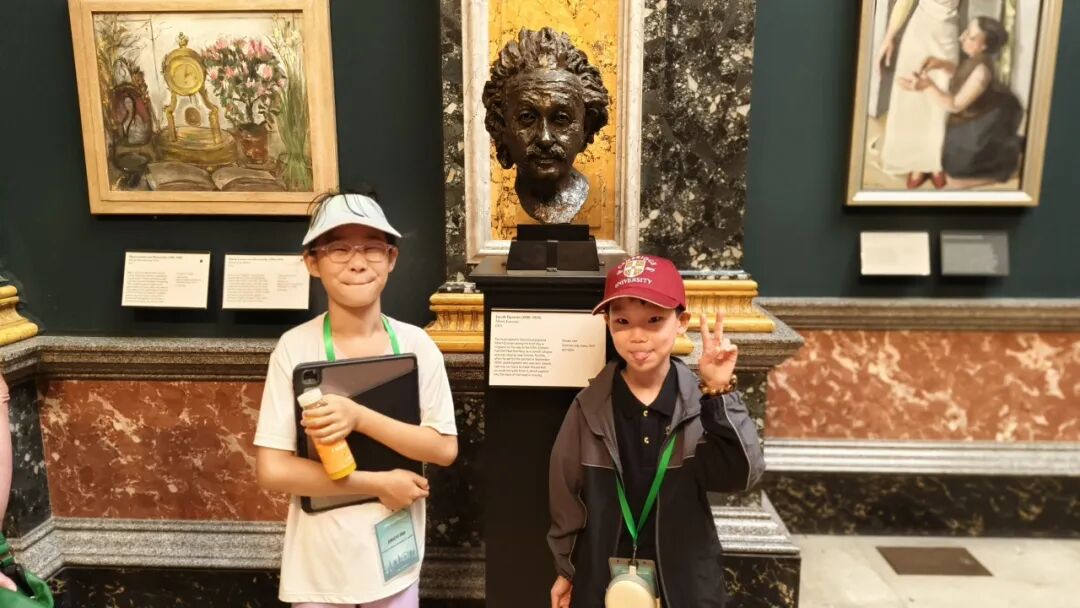


上期回顾&Quiz答案揭晓
在2026年世界学者杯第23期WSC Weekly栏目中,我们与小学者一起学习了两千多年前古希腊哲学家芝诺提出的一系列看似荒谬却逻辑严密的悖论。在上期的趣味Quiz中,你是否找到了正确答案?现在就让我们一起来揭晓吧!

点击查看上期话题
博尔特永远追不上一只乌龟?
Zeno's Paradoxes of Motion
第23期Quiz答案揭晓:
Which of the following lyrics is least relevant to Zeno’s paradoxes of motion?
以下哪句歌词与芝诺的悖论关联最小?
A) “Everything I take for granted just leads me to contradictions.” “我视为理所当然的一切,最终都让我陷入矛盾。”
B) “Each place I reach is only where you used to be.” “我抵达的每个地方,都只是你曾经所在之处。”
C) “Frozen for an instant, I am still somehow in flight.” “虽在瞬间凝固,我却不知为何仍在飞翔。”
D) “The end draws nearer, though the steps between us never run out.” “终点日益临近,尽管我们之间的路程永无止境。”
E) “I follow the same road again, returning to where I began.” “我再次沿着同一条路前行,回到我出发的地方。”
正确答案: E
Key: E
2026年第24期
Weekly Intro
年龄的增长只代表数字的变化,但不同文化如何界定“真正的大人”?从北美的派对、拉美的华尔兹,到中国古代的冠礼,再到日本的传统和服,本期Weekly带你跨越全球,探寻这些仪式背后对“成长”与“责任”的独特理解。
2026 No.24
不同文化的成年礼长啥样?
How Different Cultures Celebrate Coming of Age
不同文化中的成年礼
如果可以自己决定成年礼的形式,你会怎么庆祝?是和朋友举办一场热闹的派对,和家人一起度过特别的一天,还是用一种更私密、更有个人意义的方式纪念这个时刻?当然,你也可以选择什么仪式都不办。毕竟,十八岁生日看起来或许和其他生日没什么两样,只不过从这一天起,法律开始把你视为成年人。但在不同的文化中,成年从来不只是年龄上的变化。几个世纪以来,人们通过各种各样的仪式,纪念一个人从童年走向成年的重要转折。有的仪式充满欢声笑语,有的庄重肃穆,有的强调个人成长,有的则提醒年轻人,他们即将承担新的责任。那么,不同文化为什么会用截然不同的方式庆祝成年?这些传统又反映了人们对成长和成人身份的哪些理解?
Have you ever thought about how you would celebrate becoming an adult? Would you throw a huge party with your friends, spend the day with your family, or mark the occasion with something more personal? Perhaps you would rather skip the ceremony altogether. After all, turning eighteen might feel like just another birthday, even if the law suddenly considers you an adult. But adulthood has not always been defined by a number on a birthday cake.Across different societies, the transition from childhood to adulthood has been marked by traditions that can be joyful, solemn, challenging, or deeply meaningful.Some celebrations focus on family and friendship, while others emphasize personal growth, community expectations, or new responsibilities. Why do different cultures mark this transition in such different ways, and what can their traditions tell us about growing up?
北美青少年的甜蜜十六岁
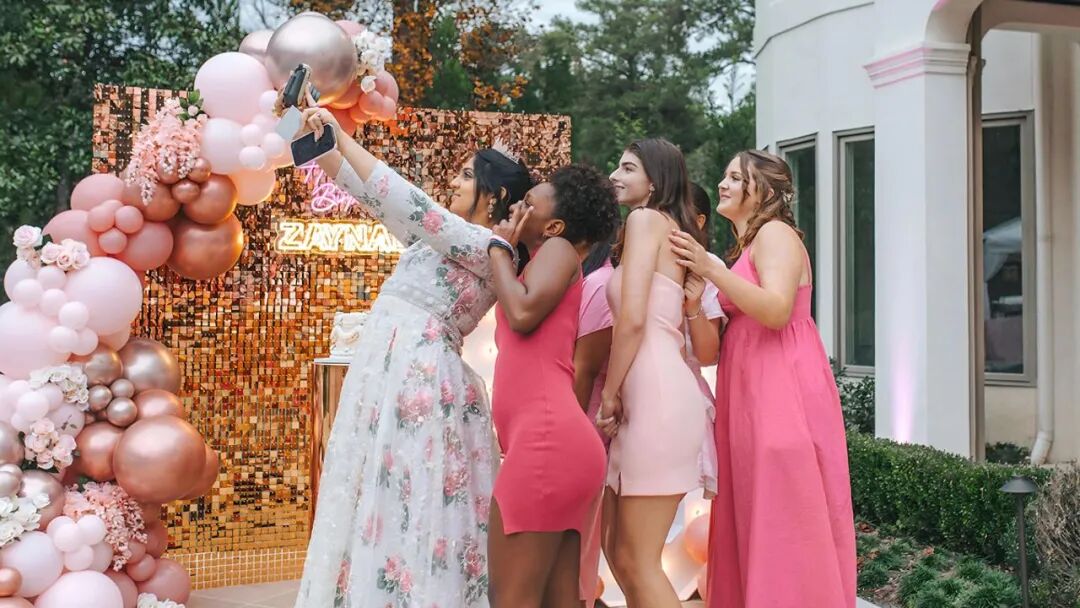
在美国和加拿大,十六岁是许多青少年特别期待的生日,其中最具代表性的庆祝方式之一,就是举办一场名为“甜蜜十六岁”(Sweet Sixteen)的生日派对。对许多年轻人来说,这不仅是一次生日聚会,更是一个和亲朋好友共同庆祝、尽情享受的机会。他们会精心打扮、跳舞,也可能收到专门为自己准备的礼物。不过,甜蜜十六岁并不是正式宣告一个人成年的仪式。与其说它标志着成年,不如说它象征着青少年开始迈向更加独立的生活。在美国的一些地区,十六岁还与学习开车、寻找第一份工作,以及获得更多与朋友外出活动的自由联系在一起。派对的规模则因家庭而异:可以是在家中举办的小型聚会,也可以是在专门租用的场地举行的盛大活动。有些家庭会准备正式礼服、专业摄影、DJ表演,甚至安排具有特殊意义的礼物。在某些庆祝活动中,家人还会为寿星举行一个特别的换鞋仪式,由家庭成员送上一双高跟鞋,象征她迈入人生的新阶段。不过,这并不是每场派对都会包含的环节。甜蜜十六岁在20世纪逐渐流行起来,为家庭提供了一种庆祝青少年成长的方式,也让这类庆典不再局限于传统上与富裕家庭联系更为紧密的初入社交界舞会(debutante ball)。随着时间推移,它逐渐成为美国流行文化中颇具代表性的青少年庆祝活动,其具体形式也随着家庭习惯和社会风尚不断变化。
IntheUnited StatesandCanada, turning sixteen is often treated as a special milestone, particularly through the tradition of theSweet Sixteen party. For many teenagers, it is an opportunity to celebrate with friends and family, dress up, dance, and enjoy a party planned especially for them. The celebration is not an official declaration of adulthood. Instead, sixteen often marks a period when teenagers begin taking on more independence.In parts of the United States, it is also associated with learning to drive, finding a first job, and gaining greater freedom to spend time with friends.Sweet Sixteen parties can range from a small gathering at home to an elaborate event in a rented venue. Some include formal dresses, professional photography, a DJ, or symbolic gifts. Certain celebrations feature a shoe ceremony in which a family member presents the birthday teenager with a pair of high heels, although this is not universal. The tradition became particularly popular in the twentieth century, offering families a way to celebrate a teenage milestone outside the formal debutante balls traditionally associated with wealthy families. Over time, it developed into a recognizable teenage celebration shaped by family preferences, popular culture, and the growing importance of birthday parties in American life.

拉美女孩的十五岁庆典
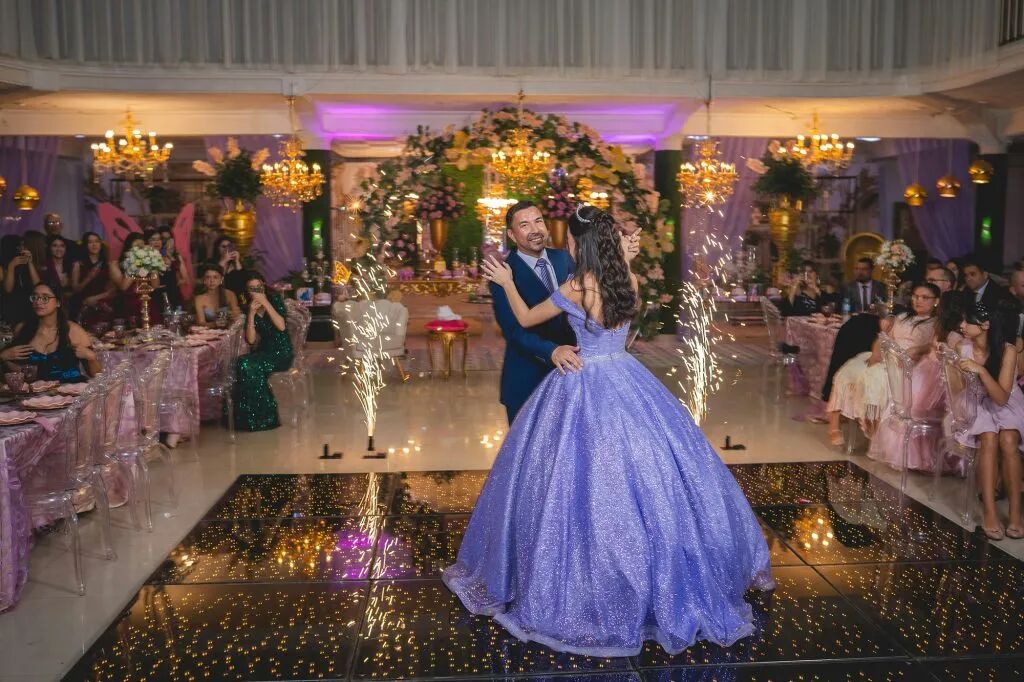
在许多拉丁美洲社区,以及世界各地的拉丁裔家庭中,女孩的十五岁生日有着特殊的意义。人们会通过一种名为quinceañera、也称fiesta de quince años的庆典,纪念她从童年走向成年女性阶段。西班牙语中的 quinceañera 既可以指一名十五岁的女孩,也可以指为她举行的成年庆典。乍看之下,这种活动有些像婚礼:女孩穿着华丽的礼服、戴着皇冠,在家人和朋友的陪伴下步入精心布置的场地,并参与经过反复排练的舞蹈。但十五岁成人礼有着自己独特的传统和文化内涵。在许多家庭中,庆典会先以天主教弥撒或宗教祝福拉开序幕,随后才是盛大的派对。女孩可能会与父亲或其他重要的家庭成员共舞华尔兹,身边还有一群共同参与仪式的年轻伙伴,分别称为“伴娘”(damas)和“伴郎”(chambelanes)。有些家庭还会安排象征性的换鞋仪式,由父亲或其他家人把女孩的平底鞋换成高跟鞋。另一些家庭则会赠送一只象征童年结束的玩偶。这些细节看似只是庆典中的小环节,实际上却承载着身份转变的寓意:女孩不再只是庆祝又长大了一岁,也是在向家人和社群宣告自己进入了人生的新阶段。筹办十五岁成人礼通常也是全家共同参与的大事。亲属和教父母可能会帮忙组织活动或承担部分费用,让庆典成为凝聚家庭关系、加强社群联系的机会。这一传统融合了多种文化影响,包括中美洲原住民的习俗、西班牙殖民时期的传统以及天主教文化。
In manyLatin American communitiesandLatino familiesaround the world, a girl's fifteenth birthday is marked by aquinceañera, also known as afiesta de quince años. The Spanish word quinceañera refers to a fifteen-year-old girl, but it also names the celebration marking her transition from childhood toward womanhood. At first glance, a quinceañera might resemble a wedding reception. The birthday girl may wear an elaborate gown and tiara, enter a decorated venue with family and friends, and take part in carefully rehearsed dances. Yet the event has its own traditions and meaning. In many families, the celebration begins with a Catholic Mass or a religious blessing, followed by a large party. The quinceañera may perform a formal waltz with her father or other important family members, accompanied by a group of friends known as damas and chambelanes. Some celebrations include a symbolic changing of shoes, in which a father or another family member replaces the girl's flat shoes with high heels. Another custom, found in some families, is the presentation of a final childhood doll. These gestures mark a change in status rather than simply celebrate another birthday. Family members and godparents may help organize or sponsor the event, making it a shared undertaking that brings relatives and the wider community together.The tradition has developed through a mixture of cultural influences, including Indigenous Mesoamerican practices and Spanish colonial and Catholic traditions.
北美原住民的灵性探索
并不是所有成年礼都需要热闹的派对或亲友的簇拥。在北美的一些原住民社会中,人们会通过被英语称为 “寻象”(vision quests)的灵性实践,寻求指引与启示。这类实践可能包括独处、祈祷、禁食,以及其他形式的精神修习。需要注意的是,不同原住民族群的文化传统各有差异,“寻象”并不是所有美洲原住民共同遵循的一种统一仪式。在一些社群中,进入青春期的年轻人可能会暂时离开日常生活,通过一段独处的经历寻求灵性体验,或尝试与某种守护灵建立联系。这种守护灵可能与动物、植物或自然界的其他事物有关。这种实践并不只是为了考验一个人能否忍受饥饿,或能否独自度过一段时间。在某些传统中,这段经历具有深刻的灵性意义。人们相信,参与者可能会在其中获得指引或领悟,并借此培养今后在所属社群中生活所需要的品质。当然,这种体验并不保证一定会带来预期的结果。与生日派对不同,灵性探索之旅并不是通过盛装打扮或公开庆典来展示身份的变化,而是让个人在特定的文化和宗教传统中,通过亲身经历探索自己与世界的关系。
Not every coming-of-age tradition involves a crowd.In some Indigenous North American societies, spiritual practices described in English as vision quests have involved individuals seeking guidance through solitude, prayer, fasting, or other forms of spiritual discipline.The details vary among Indigenous nations and traditions, so a vision quest should not be treated as one universal ceremony shared by all Native American peoples.In some communities, a young person reaching puberty might undertake a period of separation from ordinary life to seek a spiritual experience or a relationship with a guardian spirit.Such a spirit might be associated with an animal, plant, or other aspect of the natural world. The purpose is not simply to test whether someone can endure hunger or spend time alone. In traditions where such practices occur, the experience can have spiritual significance, with guidance or insight understood as something that may help the individual develop the qualities needed for life within their community. The hoped-for outcome is not necessarily guaranteed. This makes the idea quite different from a birthday party.Rather than publicly displaying a new status through clothing or celebration, the individual may undertake a personal spiritual experience.
中国古代的冠礼与笄礼
早在现代生日派对成为常见的庆祝方式之前,中国古代就已经有了正式的成年礼仪。其中一项重要传统便是冠礼(Guan Li),也就是通常所说的加冠仪式。冠礼植根于儒家礼仪传统,标志着年轻男子正式进入成年人的社会生活。按照传统,男子通常在二十岁左右举行冠礼,不过,具体做法也会因历史时期和社会地位而有所不同。仪式的核心看似简单,却有着特殊的象征意义:戴帽子。在传统冠礼中,年轻男子会依次戴上不同的礼帽,同时更换相应的服饰,并完成一系列正式的礼仪动作。《礼记》所记载的传统仪式包括三次依次进行的加冠,每一次都代表着仪式进入更重要的阶段。这些礼帽并不只是装饰品,而是成年身份的象征。通过冠礼,年轻男子被正式承认为成年人,也意味着他今后需要以不同的方式行事,并承担与这一身份相应的责任。仪式还可能包括为男子取表字,以及让他正式向家族长辈和其他受尊敬的人物行礼。冠礼背后的观念是,成年不仅意味着身体发育成熟,更意味着学会为人处世、尊重家庭关系,并履行相应的社会责任。换句话说,完成冠礼不仅代表一个人长大了,也意味着他开始被期待以成年人的身份参与社会生活、遵守礼仪规范并承担相应的义务。中国传统中也有女性的成年礼,称为笄礼(Ji Li),即插笄仪式。在这一仪式中,年轻女子会将头发梳理成相应的发式,再用发笄固定。冠礼与笄礼的具体形式虽然不同,却都体现了服饰、仪容和正式礼仪在确认身份转变时的重要作用。
Long before modern birthday parties became popular,ancient Chinahad its own formal way of recognizing adulthood. One important tradition wasGuan Li (冠礼), often translated as the capping ceremony. Rooted in Confucian ritual traditions, Guan Li marked the transition of a young man into adult social life. Traditionally, it was performed at around the age of twenty, although practices could vary according to historical period and social status. The ceremony centered on a seemingly simple object: a cap. During the ritual, the young man would receive and wear a succession of ceremonial headpieces, accompanied by changes in clothing and formal acts. In the traditional ritual described in the Book of Rites, three successive cappings marked increasingly significant stages of the ceremony. But the cap was not merely a fashion accessory. It signaled that the young man was expected to behave differently and fulfill the duties associated with adulthood. The ceremony could also involve receiving an adult courtesy name and formally presenting himself to family members and other respected figures.The underlying idea was that becoming an adult involved more than physical maturity.It meant learning to conduct oneself appropriately, respecting family relationships, and accepting social responsibilities.A young man who had completed Guan Li was being recognized as someone expected to participate in adult rituals and fulfill adult obligations. There was also a traditional coming-of-age ceremony for women calledJi Li (笄礼), or the hairpin ceremony, in which a young woman's hair was arranged and secured with a hairpin. Although the rituals differed, both reflected the importance of clothing, appearance, and ceremonial recognition in marking a change in social status.
日本的成人之日与法定年龄变更
在日本,人们通过成人之日(Seijin no Hi)庆祝迈入成年。这是日本的全国性节日,定于每年一月的第二个星期一。成人之日设立于1948年,传统上用于祝贺年满二十岁的年轻人进入成年阶段。各地政府通常会举办成人仪式,称为seijin-shiki。年轻人聚集在一起,聆听致辞、接受祝福,并与家人和朋友共同庆祝这一人生节点。仪式的一大特色是精心准备的正式服饰。许多年轻女性会穿上“振袖”(furisode),这种和服最显著的特点是袖子较长;年轻男性则通常穿西装,也有人选择袴等传统正式服装。对一些参与者来说,成人仪式也是一次难得的重聚机会。许多年轻人已经离开家乡,前往其他地方求学或工作,因此,他们可以借着这个节日与昔日的同学和朋友再次相聚,共同纪念人生中的重要时刻。随着日本社会的发展,成人之日的庆祝方式也发生了变化。2022年4月,日本将法定成年年龄从二十岁下调至十八岁。然而,许多地方政府仍然选择为二十岁的年轻人举办成人仪式。这是因为,法定成年年龄的调整并不意味着所有地方都必须同步改变成年庆典的举办年龄,各地政府可以根据当地情况作出安排,保留原有的庆祝习惯。 一个人可能在十八岁时就获得某些法定权利,却仍然会在二十岁时参加成人仪式。
InJapan, the transition into adulthood is celebrated throughSeijin no Hi (成人の日),or Coming-of-Age Day, a national holiday observed on the second Monday of January. The holiday was established in 1948 and traditionally honored young people reaching the age of twenty. Local governments organize ceremonies, often calledseijin-shiki, where participants gather to hear speeches, receive congratulations, and celebrate with friends and family. One of the most striking features is the formal clothing. Many young women wearfurisode, a type of kimono distinguished by its long sleeves, while young men may wearsuitsor traditional formal attire such ashakama. For some participants, the event is also a reunion with classmates and friends who have moved away for education or work. Seijin no Hi has changed alongside Japanese society.In April 2022, Japan lowered its legal age of adulthood from twenty to eighteen.However, many municipalities continue to hold coming-of-age ceremonies for twenty-year-olds. The legal change did not automatically determine the age at which each community would hold its celebration, and local governments have chosen arrangements that suit their circumstances. A person may gain certain legal rights at eighteen while still taking part in a public ceremony at twenty.
Weekly 关键词 Key Words
►
Sweet Sixteen “甜蜜十六岁”生日派对
quinceañera 拉美地区的15岁女孩成年礼
vision quests 一种北美原住民的灵性实践
Guan Li 冠礼
Seijin no Hi 日本的成人之日典礼
所属话题
Going Pains
相关阅读
https://www.globalcitizen.org/en/content/13-amazing-coming-of-age-traditions-from-around-th/
Weekly FUN Quiz
Quiz
A garment store owner is least likely to make profit from which of the following ceremonies?
以下哪种仪式最不可能让服装店老板从中获利?
A) Sweet Sixteen “甜蜜十六岁”生日派对
B) quinceañera 拉美15岁女孩成年礼
C) vision quests 寻象典礼
D) Guan Li 冠礼
E) Seijin no Hi 日本成人之礼