

2026 WSDA冬季冠军赛Junior 即兴辩论备稿辩题
Resolved: Planting more trees in cities is the best way to fight air pollution.
辩题:在城市中种植更多树木是对抗空气污染的最佳方式。
2026 WSDA冬季冠军赛
辩题备战攻略来袭!
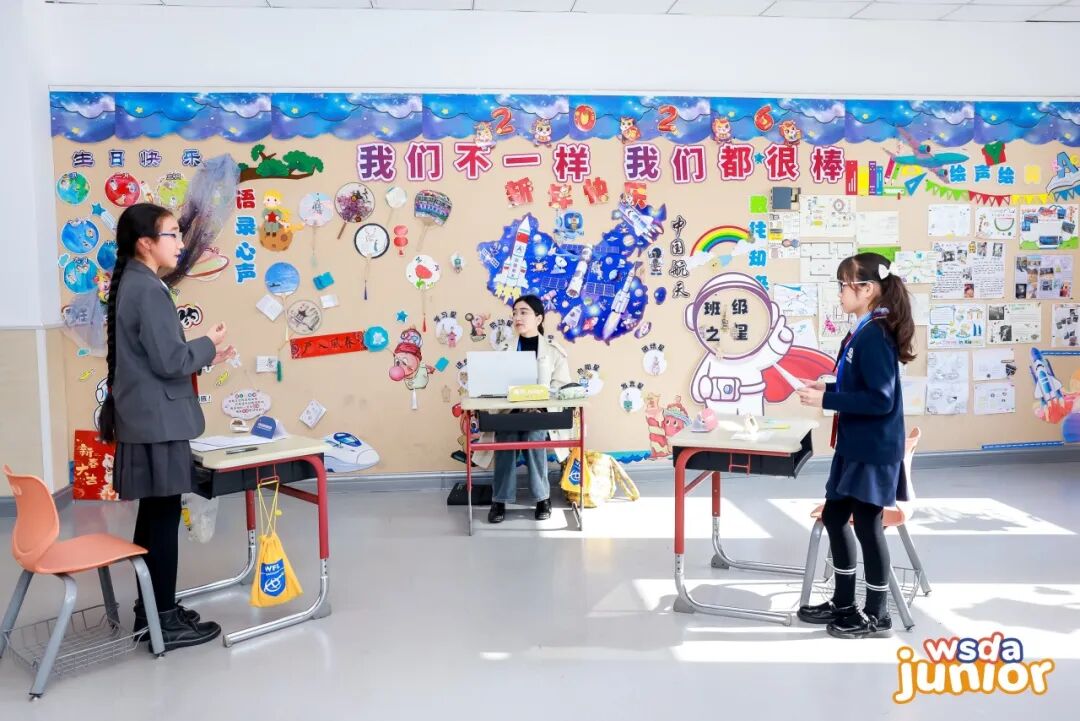
作为WSDA顶级赛事,2026冬季冠军赛的小学组即兴辩论备稿辩题已重磅揭晓,其中“在城市中种植更多树木是对抗空气污染的最佳方式”这一辩题,聚焦环保热点,兼具科学性与思辨性。
小辩手们如何精准破题、高效备战?这份攻略为你划重点!
NO.1
Background
背景
Urban air pollution is a global health crisis, linked to millions of premature deaths each year from respiratory and cardiovascular diseases.Cities are exploring a range of solutions—from technological fixes like electric vehicles and industrial filters to nature-based strategies like expanding green spaces.Planting trees is often promoted as a win-win: it improves air quality, beautifies cities, cools temperatures, and enhances mental well-being.But critics argue trees are too slow, limited in scale, and can distract from more direct pollution sources.This debate asks: Should urban forestry be the centerpiece of our clean air strategy, or is it a well-intentioned but secondary measure?
城市空气污染是全球性的健康危机,每年有数百万人口因呼吸道和心血管疾病过早离世,均与此相关。各地城市正探索各类解决方案 —— 既有电动汽车、工业过滤装置这类技术治理手段,也有拓展绿地这类基于自然的应对策略。植树常被推崇为一举多得的举措:既能改善空气质量、美化城市、降低气温,还能提升民众心理健康水平。但也有批评者认为,树木的治理见效慢、规模受限,还可能分散人们对更直接污染源的关注。本次辩论的核心问题是:城市林业是否应成为清洁空气策略的核心举措?还是说,它只是一份初衷良好但居于次要地位的措施?
NO.2
Key Definitions
核心定义
Best way:The most effective, efficient, and desirable primary strategy.
最佳方式:最具成效、效率,且最适宜作为核心推进的策略。
Fight air pollution:Reduce the concentration of harmful pollutants (PM2.5, NO₂, O₃, etc.) in urban air to improve public health and meet air quality standards.
对抗空气污染:降低城市空气中有害污染物(细颗粒物 PM2.5、二氧化氮、臭氧等)的浓度,改善公共健康状况,达到空气质量标准。
NO.3
How to Judge the Debate (Framework)
辩论评判标准(框架)
1. Does planting trees lead to a significant, measurable reduction in urban air pollution levels?植树是否能让城市空气污染水平实现显著、可量化的降低?
2. Is it the most cost-effective and scalable solution compared to alternatives?
与其他方案相比,该方式是否为最具成本效益、且可规模化推广的解决方案?
3. Does it create additional social, health, and environmental benefits that justify its priority? 植树是否能带来额外的社会、健康和环境效益,使其具备成为优先举措的合理性?
4. Which approach—nature-based or source control—better addresses the urgency and scale of the air pollution crisis?
基于自然的治理方式与源头管控方式,哪一种更能匹配空气污染危机的紧迫性与治理规模?
NO.4
Context
背景情况
Cities today are choked with pollution from vehicles, industry, and energy production. Low-income neighborhoods often bear the heaviest burden, with fewer green spaces and higher exposure. Tree-planting campaigns are popular and politically appealing, but scientists caution that their direct air-cleaning capacity is limited. Meanwhile, technologies like electric transport and renewable energy are advancing rapidly. This debate is not about whether trees are good, but whether they deserve to be the #1 policy priority in the fight for clean air.
如今的城市深受交通、工业和能源生产产生的污染困扰,低收入社区往往成为重灾区 —— 绿地资源更少,居民暴露在污染中的程度更高。植树行动广受大众欢迎,也具备政治吸引力,但科学家提醒,树木直接净化空气的能力实则有限。与此同时,电动汽车、可再生能源等技术正飞速发展。本次辩论的核心,并非树木是否有益,而是树木是否值得成为对抗空气污染的核心政策抓手。
NO.5
Prop (We support the motion)
正方(支持该辩题)
Winning Strategy制胜策略:
Frame trees as a “multi-solving” infrastructure that addresses pollution, health, heat, climate, and equity all at once. Argue that no other single intervention delivers such a wide range of co-benefits with strong public support.
将树木定位为能同时解决污染、健康、高温、气候和公平问题的 “多元解决方案型” 基础设施,主张没有任何一项单一干预措施,能在获得广泛公众支持的同时,带来如此多元的协同效益。
Argument 1: Trees are natural, multi-functional pollution filters.
论点 1:树木是天然的多功能污染过滤器。
Claim 主张:
Trees directly remove a wide range of pollutants while also cooling cities and reducing ozone formation.
树木能直接清除多种污染物,同时为城市降温,减少臭氧的生成。
Analysis 分析:
Through leaves and bark, trees capture particulate matter and absorb gases like NO₂ and SO₂. They also cool the air via shade and evapotranspiration, which slows the chemical reactions that create ground-level ozone. Unlike single-purpose technologies, an urban forest works simultaneously on multiple pollutants and multiple environmental problems.
树木通过叶片和树皮捕捉颗粒物,吸收二氧化氮、二氧化硫等有害气体;还能借助遮阴和蒸散作用降低气温,减缓地面臭氧形成的化学反应。与单一功能的技术手段不同,城市森林能同时对多种污染物、多种环境问题发挥治理作用。
Example 例子:
Studies show a mature tree can absorb up to 48 lbs of CO₂ per year and significant amounts of PM2.5. Cities like London and Singapore have measured local air quality improvements from targeted planting.
研究表明,一棵成熟的树木每年可吸收多达 21.77 千克二氧化碳,还能吸收大量细颗粒物 PM2.5;伦敦、新加坡等城市的监测数据显示,针对性的植树行动已实现局部空气质量的改善。
Impact 影响:
Investing in trees means investing in integrated urban health infrastructure—cleaning air, sequestering carbon, managing stormwater, and saving energy.
投资植树,本质是投资一体化的城市健康基础设施 —— 既能净化空气、固碳减排、治理雨水径流,还能实现节能降耗。
Argument 2: The co-benefits create healthier, more equitable, and livable cities.
论点 2:植树的协同效益能打造更健康、更公平、更宜居的城市。
Claim 主张:
Beyond pollution, trees improve physical and mental health, increase property values, and can be targeted to help marginalized communities.
除治理污染外,树木还能改善民众的身心健康,提升房产价值,且可针对性布局,助力边缘社区发展。
Analysis 分析:
Trees reduce urban heat islands (preventing heat-related deaths), lower stress, encourage outdoor activity, and strengthen community ties. When planted in low-income, under-canopied neighborhoods, they directly address environmental injustice.
树木能缓解城市热岛效应,避免高温相关的死亡事件;减轻民众压力,鼓励户外活动,增强社区联结。在低收入、绿化覆盖率低的社区植树,能直接解决环境不公的问题。
Example 例子:
Research links green space access to lower rates of asthma, heart disease, and depression. Property values can rise 5–15% on tree-lined streets.
研究发现,绿地的可及性与哮喘、心脏病、抑郁症的低发病率相关;临街种植树木的区域,房产价值可提升 5% 至 15%。
Impact 影响:
A tree-planting strategy delivers a “health package” that technological solutions cannot match, making it a uniquely holistic and equitable policy tool.
植树策略能带来一整套 “健康福利”,这是技术解决方案无法比拟的,也让其成为兼具整体性与公平性的独特政策工具。
Argument 3: It’s a tangible, popular strategy that builds momentum for broader change.
论点 3:植树是具象化、受大众认可的策略,能为更广泛的环境变革凝聚动力。
Claim 主张:

Tree planting wins public support, engages communities, and can serve as a gateway to more ambitious environmental policies.
植树行动能赢得公众支持,动员社区参与,还可作为推进更宏大环境政策的切入点。
Analysis 分析:
In politically divided times, trees are a rare unifying cause. Community planting events foster ownership and environmental awareness. Visible greening creates a sense of hope and progress, which can build the political capital needed for harder measures like traffic restrictions or clean energy mandates.
在政治分歧凸显的当下,植树是为数不多能凝聚共识的议题。社区植树活动能培养民众的主人翁意识和环保意识,肉眼可见的城市绿化成果能带来希望感和进步感,进而积累政治资本,为实施交通限行、清洁能源强制推广等更严苛的环保措施奠定基础。
Example 例子:
Initiatives like “Million Tree Campaigns” in Los Angeles and Melbourne have mobilized volunteers, created green jobs, and raised overall environmental engagement.
洛杉矶、墨尔本等城市开展的 “百万植树行动”,已动员大量志愿者参与,创造了绿色就业岗位,整体提升了民众的环保参与度。
Impact 影响:
Starting with trees can catalyze a broader cultural shift toward sustainability, making it a strategic and socially viable “best way” to begin tackling pollution.
从植树行动切入,能推动社会形成向可持续发展转型的广泛文化变革,这也让植树成为应对污染、兼具策略性与社会可行性的 “最佳方式”。
NO.6
Opp (We oppose the motion)
反方(反对该辩题)
Winning Strategy: Argue that pollution must be stopped at the source, not cleaned up after the fact. Emphasize the urgency of the health crisis, the scale mismatch between trees and emissions, and the risk of “greenwashing” that delays real action.
制胜策略:主张污染治理必须从源头遏制,而非事后净化;强调健康危机的紧迫性、树木净化能力与污染物排放规模的不匹配,以及将植树作为核心手段可能引发的 “漂绿” 问题 —— 这会拖延真正的污染治理行动。
Argument 1: Trees are insufficient to address the scale of urban emissions.
论点 1:树木的净化能力,无法匹配城市污染物的排放规模。
Claim 主张:
The volume of pollution produced in cities dwarfs the cleaning capacity of even large urban forests.
城市产生的污染总量,远超即便规模庞大的城市森林的净化能力。
Analysis 分析:
Scientific models show that trees can only absorb a tiny fraction (often 1–2%) of total urban emissions. To meaningfully offset pollution from millions of vehicles, unrealistically vast areas would need to be forested—space that cities don’t have.
科学模型显示,树木仅能吸收城市总污染物排放量中极小的一部分(通常为 1% 至 2%)。若想有效抵消数百万辆交通工具产生的污染,需要开辟规模大到不切实际的林地,而城市并不具备这样的土地空间。
Example 例子:
A World Resources Institute report notes that in highly polluted cities, trees alone cannot achieve WHO air quality targets without drastic emission reductions at source.
世界资源研究所的一份报告指出,在污染严重的城市,若不从源头大幅削减污染物排放,单靠树木根本无法实现世界卫生组织制定的空气质量目标。
Impact 影响:
Relying on trees as the “best” strategy is mathematically unrealistic and distracts from solutions that actually match the scale of the problem.
将树木作为对抗污染的 “最佳” 策略,在数据层面便不具备现实性,还会分散人们对真正能匹配污染治理规模的解决方案的关注。
Argument 2: Source-control solutions are faster, more certain, and more efficient.
论点 2:源头管控方案更高效、效果更确定,且能效更高。
Claim 主张:
Preventing pollution at its origin is always better than trying to remove it after it’s in the air.
从源头阻止污染产生,永远比污染扩散到空气中后再尝试清除更有效。
Analysis 分析:
Electric vehicles, renewable energy, industrial scrubbers, and fuel switching deliver immediate and quantifiable cuts in emissions. Trees take decades to mature and have limited, variable impact depending on species, health, and placement.
电动汽车、可再生能源、工业洗涤装置、燃料替代等方式,能立竿见影地实现污染物排放量的量化削减;而树木需要数十年才能长成,其治理效果还会因树种、树木健康状况、种植位置的不同而存在较大差异,效果有限且不稳定。
Example 例子:
Cities like Oslo and Copenhagen have rapidly improved air quality through traffic restrictions, cycling networks, and clean energy transitions—not primarily through planting.
奥斯陆、哥本哈根等城市的空气质量已得到快速改善,其手段主要是交通限行、打造自行车路网、推动清洁能源转型,而非植树。
Impact 影响:
Given the urgency of the health crisis, we must prioritize solutions with direct and swift impact. Pollution prevention should always come before remediation.
鉴于空气污染带来的健康危机迫在眉睫,我们必须优先推行能产生直接、快速效果的解决方案,污染预防永远应置于污染治理之前。
Argument 3: Overemphasis on trees risks distraction, greenwashing, and inequity.
论点 3:过度强调植树,易引发注意力分散、漂绿行为与公平性失衡问题
Claim 主张:
Promoting trees as the “best” solution can let polluters off the hook and worsen environmental injustice.
将树木标榜为对抗污染的 “最佳” 方案,可能让污染者逃脱责任,还会加剧环境不公。
Analysis 分析:
Corporations and governments may use high-profile tree planting to appear environmentally responsible while continuing polluting practices. This “greenwashing” delays systemic change. Also, without careful planning, tree planting can lead to “green gentrification,” raising property values and displacing low-income residents.
企业和政府可能借助高调的植树行动,营造自身重视环保的形象,实则继续开展污染性生产活动。这种 “漂绿” 行为会拖延系统性的污染治理变革。此外,若缺乏周密规划,植树行动还可能引发 “绿色绅士化” 现象 —— 推高房产价值,导致低收入居民被迫迁出原居地。
Example 例子:
Some oil companies advertise tree-planting initiatives while expanding fossil fuel extraction.
部分石油企业一边宣传植树计划,一边继续扩大化石燃料的开采规模。
Impact 影响:
A misplaced focus on trees can undermine political will for tougher regulations, perpetuate pollution at the source, and exacerbate social inequities.
将焦点错误地放在植树上,会削弱推出更严苛环保法规的政治意愿,让源头污染问题持续存在,同时加剧社会的公平性失衡。
NO.7
Extra Tips
额外提示
1. Prop:Use the term “multi-solving” frequently. Highlight stories of community-led greening and health improvements in vulnerable neighborhoods.
正方:频繁使用 “多元解决” 这一表述,重点讲述弱势社区中由民众主导的绿化行动,以及由此带来的健康改善案例。
2. Opp:Use vivid analogies like “using a sponge to clean up a burst pipe” to illustrate the scale mismatch. Emphasize the moral argument: polluters, not the public, should bear the cost of cleanup.
反方:运用生动的类比(如 “用海绵去堵破裂的水管”),说明树木净化能力与污染排放规模的不匹配;强化道德层面的论证:污染治理的成本,理应由污染者承担,而非普通民众。
3. Both sides should reference specific data from the research pack (e.g., pollution absorption rates, cost comparisons, case studies).
双方均需引用研究资料中的具体数据(如污染物吸收率、成本对比、案例研究数据等)。
4. Connect the debate to climate change: trees sequester carbon, but Opp can argue that stopping emissions is still more urgent.
将辩论与气候变化议题关联:正方可强调树木的固碳作用,反方可则指出,遏制污染物排放依然是更紧迫的任务。