

长假VS短频假期备赛攻略速码
备稿辩题
文章核心内容
2026 WSDA 冬季冠军赛小学组即兴辩论备稿辩题新鲜出炉,聚焦热议话题:与其采用漫长的暑假,学校应安排更短更频繁的假期!
辩题直击暑期学业滑坡痛点,探讨长假与学业成绩的核心关联,思辨性拉满!小辩手想精准破题、搭建立论、高效备战WSDA赛场?
专属备赛攻略已备好,核心辩题拆解、正反方思路梳理、备战技巧划重点,手把手教孩子吃透辩题,赛场轻松应战!
Resolved 辩题
Instead of long Summer breaks, schools should have shorter, more frequent breaks throughout the school year.
与其采用漫长的暑假,学校应该在整个学年里安排更短更频繁的假期。
NO.1
Background
背景
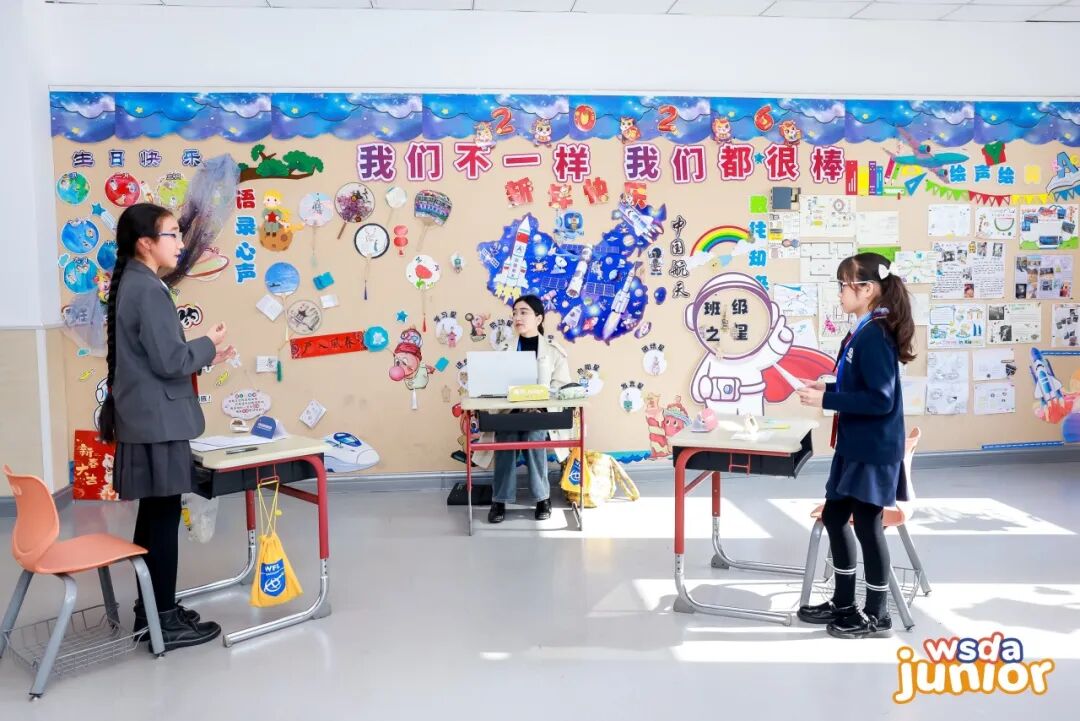
The long summer break is a deeply rooted tradition in many education systems worldwide.It originated from an agricultural past when children were needed to help on family farms. Today, in a largely post-industrial society, this schedule is increasingly being questioned.Supporters argue that shorter, more frequent breaks can reduce learning loss, prevent burnout, and create a more balanced rhythm for learning and well-being.Opponents believe the long break is essential for unstructured play, family bonding, and experiences outside the classroom.This debate asks: Should we modernize the school calendar to better suit contemporary needs, or preserve a tradition that many families and communities still value?
漫长暑假是全球诸多教育体系中根深蒂固的传统。其起源可追溯至农业时代 —— 彼时需要儿童协助家中农事。如今,在高度后工业化的社会中,这一作息安排正受到越来越多的质疑。支持者认为,更短、更频繁的假期能减少学业遗忘,避免身心倦怠,为学习与身心健康打造更均衡的节奏。反对者则认为,漫长的暑假对无结构化的自由玩耍、家庭情感联结及课外体验而言不可或缺。本次辩论的核心问题为:我们应当革新校历以更好地适配当代需求,还是保留这一仍被众多家庭和社区珍视的传统?
NO.2
Key Definitions
核心定义
Long Summer break:A continuous break of approximately 2–3 months at the end of the traditional school year.
漫长的暑假:传统学年结束后,一段约 2-3 个月的连续假期。
Shorter, more frequent breaks:A “balanced calendar” model where the total break time is redistributed into multiple shorter breaks (e.g., 2–3 weeks) spaced throughout the year.
更短、更频繁的假期:一种 “均衡校历” 模式,即将假期总时长重新分配,在学年中设置多个短假期(如 2-3 周),且假期分布均匀。
NO.3
How to Judge the Debate (Framework)
辩论评判标准(框架)
1.Does the proposed calendar genuinely improve academic outcomes and reduce learning loss? 提议的校历是否能切实提升学业成效、减少学业遗忘?
2. Does it enhance or harm the well-being of students, teachers, and families? 其对学生、教师及家庭的身心健康会产生积极还是消极影响?
3. Is it a practical and equitable change that schools and communities can realistically implement? 这一变革是否具备实操性与公平性,能被学校和社区切实落地?
4. Which system better supports holistic development—academic, social, and emotional—for students in the modern world? 在现代社会中,哪种假期制度更能支撑学生的全面发展 —— 包括学业、社交与情感层面?

NO.4
Context
背景情况
Today, many students experience “summer slide,” losing academic skills over the long break, especially in math and reading. Teachers often spend weeks re-teaching material in the fall.At the same time, students and teachers report high levels of stress and burnout during the long, uninterrupted school year. Families face childcare challenges and the pressure to organize expensive summer activities. Meanwhile, some schools and districts have already adopted balanced calendars with reported success.This debate is not about eliminating breaks, but about redesigning them to better serve educational and human needs in the 21st century.
如今,许多学生会遭遇 “暑期学业滑坡”,在长假中丢失学业技能,数学和阅读学科尤为明显。教师往往需要在秋季开学后花费数周时间重新讲授旧知识。与此同时,学生和教师都反映,在漫长且无间断的学年中,自身承受着高强度的压力,极易产生身心倦怠。家庭则面临育儿难题,还需承受策划高成本暑期活动的压力。但另一方面,部分学校和学区已推行均衡校历,且收效显著。本次辩论并非要取消假期,而是要重新设计假期形式,使其更好地满足 21 世纪的教育需求与人文需求。
NO.5
Prop (We support the motion)
正方(支持该辩题)
Winning Strategy 制胜策略:
Emphasize that the motion is about modernizing an outdated system, not removing rest. Focus on the evidence of “summer slide,” the mental health benefits of regular breaks, and how shorter breaks better align with modern family life and cognitive science.
强调本次辩题的核心是革新落后的假期体系,而非取消休息时间。聚焦 “暑期学业滑坡” 的相关实证、规律短假期对心理健康的益处,以及短假期如何更贴合现代家庭生活与认知科学规律。
Argument 1: Shorter breaks combat learning loss and create continuous progress.
论点一:短假期能缓解学业遗忘,实现学习的持续推进。
Claim 主张:
Long breaks lead to significant forgetting, especially for disadvantaged students. Shorter breaks keep knowledge fresh and reduce time wasted on review.
长假会导致学生出现明显的知识遗忘,弱势群体学生受影响尤为显著。短假期能让知识保持鲜活,减少因复习而浪费的时间。
Analysis 分析:
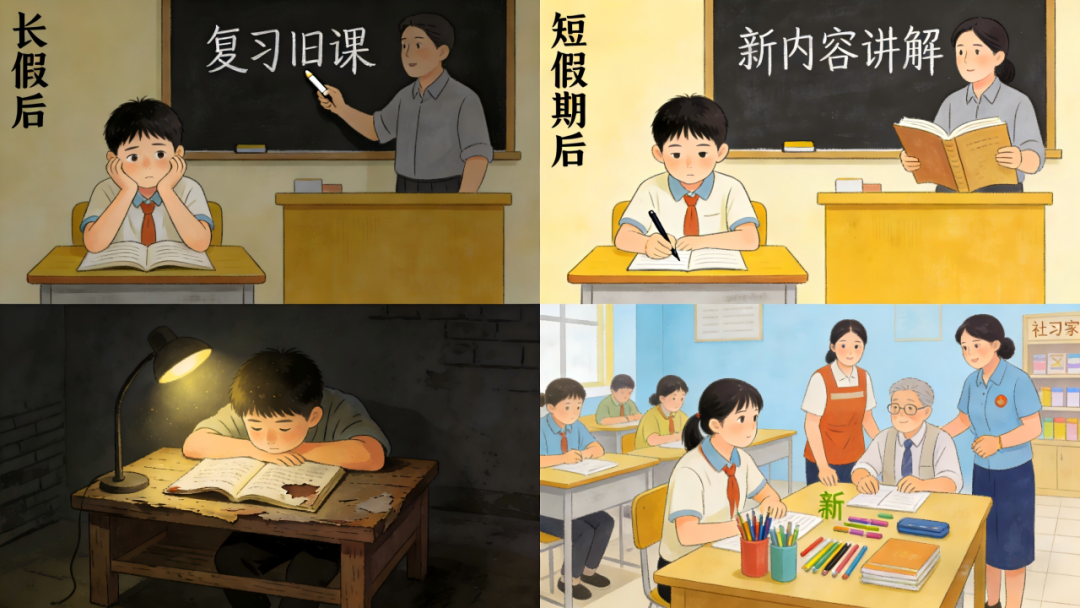
The “summer slide” is well-documented: students lose about a month of learning on average over summer, with losses in math often greater than in reading. This forces teachers to spend weeks re-teaching old material each fall. A balanced calendar with shorter, more frequent breaks minimizes extended disengagement, allowing for more consistent reinforcement of skills. Learning becomes more cumulative and efficient.
“暑期学业滑坡” 已被大量研究证实:学生在暑假期间平均会丢失约一个月的学习成果,数学学科的知识遗忘程度通常高于阅读。这迫使教师每年秋季都要花费数周重讲旧内容。而采用均衡校历,设置更短、更频繁的假期,能最大限度减少学生长期脱离学习的状态,让学业技能得到更持续的巩固,学习也会更具累积性与效率。
Example 例子:
Studies of year-round schools show that students, especially from low-income backgrounds, experience smaller summer learning losses and sometimes gain modest advantages in test scores.
对全年制学校的研究表明,学生(尤其是低收入家庭的学生)在暑期的学业遗忘程度更低,部分学生的考试成绩还能取得小幅提升。
Impact 影响:
Reducing the “slide” means more time for new learning, narrower achievement gaps, and a school year that feels more like a continuous journey than a cycle of learning and forgetting.
缓解 “暑期学业滑坡” 意味着学校能将更多时间用于讲授新知识,缩小学业成绩差距,也让整个学年的学习更像一场连贯的旅程,而非 “学习 - 遗忘” 的循环。
Argument 2: Regular breaks improve mental health and prevent burnout.
论点二:规律的短假期能改善心理健康,避免身心倦怠。
Claim 主张:
The traditional school year is a marathon that leads to exhaustion. Short, frequent breaks act as regular pressure valves.
传统学年如同一场漫长的马拉松,易让人身心俱疲;而短暂、频繁的假期,就像定期开启的压力释放阀。
Analysis 分析:
Both students and teachers experience high stress, anxiety, and burnout under the current system. A long grind without meaningful recovery harms motivation, engagement, and well-being. Short breaks provide regular opportunities to rest, reset, and return refreshed. This sustains energy and positivity throughout the year.
在现有假期制度下,学生和教师都承受着巨大的压力,易产生焦虑情绪和身心倦怠。长期高强度的学习与工作,若缺乏有效的休整,会损害学习和工作的积极性、参与度,也会影响身心健康。短假期能为人们提供规律的休息机会,让身心重新调整,以饱满的状态回归学习和工作,从而让整个学年始终保持良好的精力与积极的心态。
Example 例子:
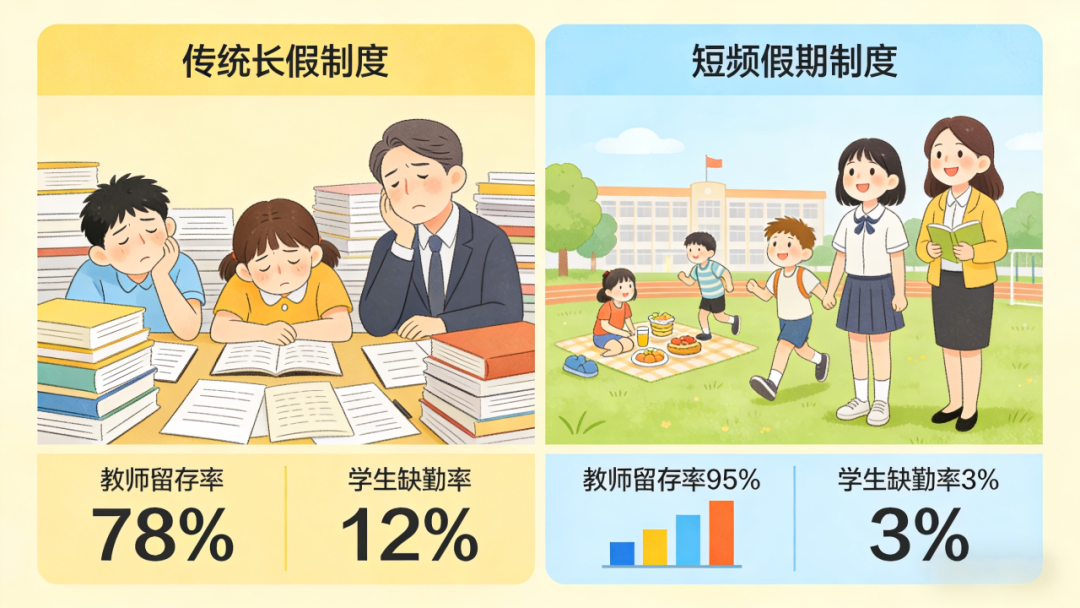
Districts with balanced calendars report higher teacher retention and lower chronic absenteeism among students.
推行均衡校历的学区数据显示,教师留存率更高,学生的长期缺勤率也更低。
Impact 影响:
A healthier school climate improves learning outcomes, reduces turnover, and makes school a more supportive environment for everyone.
更健康的校园氛围能提升学业成效,减少师资流失,让学校成为对所有人而言更具支持性的。

Argument 3: The modern family needs a modern calendar.
论点三:现代家庭需要适配的现代校历。
Claim 主张:
The long summer break is a relic of an agricultural past and creates real problems for today’s working families.
漫长的暑假是农业时代的遗留产物,给如今的工薪家庭带来了切实的困扰。
Analysis 分析:
Most parents work year-round and cannot take months off. The long summer forces expensive and complex childcare arrangements. Shorter breaks are easier to manage, align better with typical vacation allowances, and allow families to travel during off-peak times, reducing costs and crowds.
大多数父母为全年工作模式,无法休假数月。长假式暑假迫使家庭安排高成本、繁琐的托育事宜,而短假期更易规划,与普通职场的休假额度更匹配,也能让家庭在非旅游高峰期出行,降低开支、避开人流。
Example 例子:
Surveys show a majority of working parents struggle with summer childcare. Schools with balanced calendars report higher parent satisfaction regarding logistics.
多项调查显示,多数工薪父母都为暑期育儿问题所困扰;而推行均衡校历的学校反馈,家长对假期相关的后勤安排满意度更高。
Impact 影响:
A calendar that fits modern life reduces family stress, supports parental employment, and makes quality time together more accessible throughout the year.
贴合现代生活的校历能减轻家庭压力,为父母的职场工作提供支持,也让家人在全年中都能更轻松地拥有高质量的相处时光。
NO.6
Opp (We oppose the motion)
反方(反对该辩题)
Winning Strategy 制胜策略:
Focus on the unproven academic benefits, the value of deep restorative time, and the massive practical and cultural disruption of changing a century-old system.Argue that tradition serves important social and developmental functions.
聚焦均衡校历的学业益处缺乏实证、深度休整时间的独特价值,以及变革这一延续百年的制度所带来的巨大实操与文化冲击。论证传统假期制度对社会发展和个人成长具有重要作用。
Argument 1: The academic benefits are uncertain and overstated.
论点一:均衡校历的学业益处尚无定论,且被过度夸大。
Claim 主张:
Evidence does not clearly show that balanced calendars lead to better academic outcomes.
目前没有明确证据表明,均衡校历能带来更优的学业成效。
Analysis 分析:
Research on year-round schooling shows mixed or minimal effects on test scores. The “summer slide” may be less severe than often claimed, and any potential gains might be offset by the disruption of changing schedules. True academic improvement depends more on teaching quality, resources, and curriculum than on calendar tweaks.
针对全年制学校的研究显示,其对学生考试成绩的影响参差不齐,且效果甚微。“暑期学业滑坡” 的程度或许并非如人们常说的那般严重,而均衡校历可能带来的些许学业提升,也会被作息调整造成的混乱所抵消。真正的学业提升,更多取决于教学质量、教育资源与课程设置,而非校历的细微调整。
Example 例子:
Many meta-analyses find only marginal differences in achievement between traditional and balanced calendars.
多项元分析研究发现,采用传统校历与均衡校历的学生,其学业成绩仅存在微小差异。
Impact 影响:
Making a massive, costly systemic change for uncertain academic returns is a poor use of resources and political capital.
为不确定的学业回报,开展耗资巨大、涉及全局的制度变革,是对教育资源和政治资源的不合理利用。
Argument 2: : Long summer breaks provide irreplaceable developmental time.
论点二:漫长的暑假能提供无可替代的成长时间。
Claim 主张:
A sustained break allows for deep rest, immersive experiences, and personal growth that short breaks cannot match.
一段完整的长假能带来深度的休息、沉浸式的体验以及个人成长,这是短假期无法比拟的。
Analysis 分析:
Summer offers time for camps, travel, internships, jobs, and free play—experiences that build independence, social skills, and real-world knowledge. Short breaks are often too brief for meaningful engagement in such activities and can feel more disruptive than restorative.
暑假为学生提供了参加夏令营、旅行、实习、兼职以及自由玩耍的时间,这些经历能培养学生的独立能力、社交技能和社会生活常识。而短假期往往时长不足,难以让学生深入参与此类活动,甚至会让人感觉节奏被打乱,无法达到真正的休整效果。
Example 例子:
Teen employment, family vacations, and summer camps are cultural and economic institutions built around the long break.
青少年兼职、家庭度假、暑期夏令营等,都是依托长假式暑假形成的文化与经济业态。
Impact 影响:
Preserving the long summer protects valuable non-academic learning and family traditions that contribute to well-rounded development.
保留漫长的暑假,能守护这些珍贵的非学业学习机会与家庭传统,助力学生的全面发展。
Argument 3: The change is logistically and culturally divisive.
论点三:校历变革在实操与文化层面均会引发分歧。
Claim 主张:
Transitioning to a new calendar is expensive, complicated, and faces strong community resistance.
切换至新校历的过程成本高昂、流程复杂,且会遭遇社区的强烈反对。
Analysis 分析:
Changing the calendar requires renegotiating contracts, adjusting transportation, retrofitting buildings (e.g., for summer heat), and disrupting established family and community rhythms. The costs are high, and the benefits are not guaranteed.
校历调整需要重新协商各类合同、优化交通安排、改造校舍(如应对夏季高温),还会打破既有的家庭与社区生活节奏。这一变革不仅成本高昂,其收益也无法得到保障。
Example 例子:
Districts that have tried to switch often face backlash from parents, teachers, and businesses tied to the summer economy.
曾尝试切换校历的学区,往往会遭遇家长、教师,以及与暑期经济相关的商家的强烈反对。
Impact 影响:
The practical hurdles and social opposition make this reform unrealistic and divisive, risking more harm than good.
实操层面的重重阻碍与社会层面的广泛反对,让这一改革缺乏现实可行性,还会引发社会分歧,最终可能弊大于利。
NO.7
Extra Tips
额外提示
1. Prop:Connect the calendar change to broader themes of educational equity, mental health awareness, and modern work-life balance.
正方:将校历变革与教育公平、心理健康关注、现代工作生活平衡等更宏观的议题关联起来。
2. Opp:Use emotional appeals about summer memories, family traditions, and the risk of “fixing what isn’t broken.”
反方:借助情感共鸣,讲述暑期回忆、家庭传统的价值,同时指出这一变革存在 “为改而改、画蛇添足” 的风险。
3. Both sides should use specific data from the research pack (e.g., percentile gains, cost estimates) to ground their arguments.
双方均需运用研究资料中的具体数据(如百分位提升、成本估算等),让论点更具说服力。
4. Remember to frame impacts not just for students, but for teachers, parents, and the community as a whole.
切记在阐述影响时,不仅要考虑学生,还需兼顾教师、家长及整个社区。