


2026 NHSDLC年度冠军赛即将开打!
本次冠军赛辩题聚焦全球能源领域
为了帮助辩手们理解辩题从容备赛,我们邀请到暑期训练营主讲教练Jonathan B. Adler深入拆解
在如今的背景下,哪种能源战略取向更能促进主要经济体的长期繁荣与稳定
*线上全国邀请赛与年度冠军赛同辩题
The question of energy independence is a longstanding one, and as the world has globalized in the last 80 years, so too has the energy supply.Most countries in the world today rely on a handful of nations which are rich in natural resources for the majority of their energy. It's important to understand what the terms in the resolution actually mean. Complete energy independence is achieved when a country produces enough energy domestically to meet or exceed its own consumption, so it doesn't rely on imports from other nations to keep its economy running (Science Insights 2026). Simply, being a net exporter of energy means independence has been achieved. That said, the conversation around energy independence is not being held exclusively at the extremes because many major economies are not 100% independent (Lowy Institute 2025).
Global energy demand rose by 2.2% in 2024, reaching nearly 650 exajoules, an all- time high, driven largely by emerging markets in Asia (IEA 2025). The global energy supply chain that underpins this demand is extraordinarily concentrated. A small number of resource- rich nations, most notably Saudi Arabia, Russia, the United States, Australia, and a handful of others, supply the fossil fuels that the rest of the world runs on. In 2023, the European Union alone imported over 350 billion euros worth of energy products (The Other Economy 2025), a figure that illustrates just how financially significant energy dependence is for even the wealthiest blocs of nations. The Middle East holds a disproportionate share of the world's proven oil reserves, Russia controls vast natural gas pipelines into Europe, and the straits and shipping lanes connecting these producers to consumers represent potential chokepoints that have, historically, been sources of enormous geopolitical tension. The global energy trading market itself is valued at approximately 7.5$ billion and is projected to reach 12.4$ billion by 2030 (Virtue Market Research 2024), reflecting the sheer scale of the financial infrastructure built around buying and selling energy across borders.
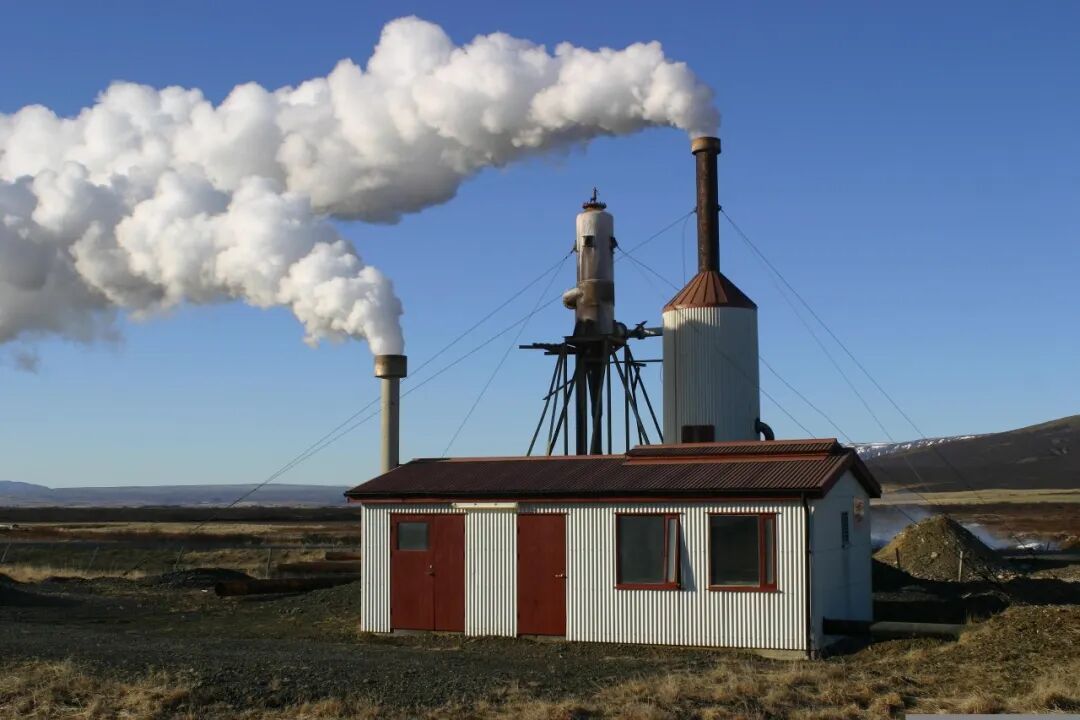
What makes the current moment particularly interesting is that the old map of energy dependency is being redrawn, but not necessarily in ways that reduce dependency. China's exports of new energy technologies, including electric vehicles, have grown to account for nearly 5% of its total goods exports, and Chinese companies have been investing in manufacturing facilities abroad in Indonesia, Morocco, Hungary, and Brazil (IEA 2025). This means that even the clean energy transition is creating new dependencies, just with different dominant players. In 2024, there was sufficient manufacturing capacity to have produced more than twice as many solar PV modules as were actually deployed, with much of that capacity concentrated in China (IEA 2025). This creates a dynamic where countries pursuing renewable energy as a path to independence may simply be trading a reliance on OPEC for a reliance on Chinese supply chains for panels, batteries, and critical minerals. The United States, for example, currently relies on China to supply the overwhelming majority of its critical mineral needs (National Affairs 2024), minerals essential to the very technologies meant to free it from foreign energy dependence. True independence, then, is not simply a matter of what fuel you burn, but of where every component in your energy system comes from.
The core tension here is between internal political stability and economic efficiency.The aff will usually prioritize internal matters such as national security, sovereignty, and (rather obviously) independence. They will likely say the concerns of the negative are short- sighted, and leave their citizens economically vulnerable to circumstances abroad. The negative will usually prioritize the cost of energy for consumers in the country, arguing that the day to day costs for individuals are more important than the broad, often unnecessary, protections of energy independence.

Aff
Energy Dependence is a National Security Liability
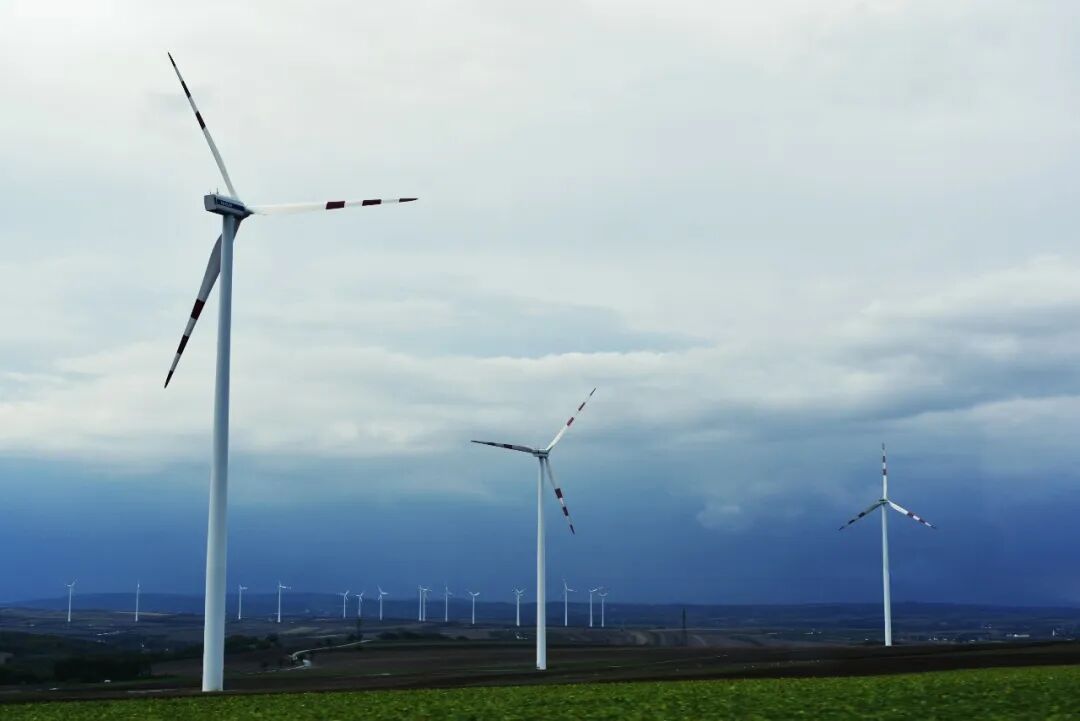
The most straightforward affirmative argument is that relying on foreign nations for your energy supply creates a direct vulnerability that adversaries can exploit. As demonstrated by the war in Ukraine, geopolitical crises can cause energy bills to skyrocket, with some factories closing and some households suffering through the winter cold because of soaring energy prices (The Other Economy 2025). When a country's economy can be destabilized by decisions made in Moscow, that country's sovereignty is functionally compromised. Countries with energy independence keep functioning no matter what happens internationally (Amigo Energy 2026), a simple principle. The affirmative will argue that the peace dividend of global energy trade is illusory: it works fine until it doesn't, and when it doesn't, the consequences can be catastrophic. The 1973 oil embargo, Russia's use of natural gas as leverage over Europe, and OPEC production cuts are all examples of energy being weaponized. The aff will say these aren't anomalies. They are features of a system where energy- rich nations hold disproportionate power over energy- poor ones.
Domestic Energy Investment Drives Long-Term Economic Strength
Prioritizing domestic energy production builds industrial capacity, creates jobs, and generates technological expertise that compounds over time. In 2019, the United States became energy independent, producing more energy than it consumed, for the first time since 1957, with significant economic and geopolitical benefits accompanying that status (National Affairs 2024). The aff will argue that countries which invest heavily in domestic energy infrastructure, whether through fossil fuels, nuclear, or renewables, develop supply chains, workforces, and technological ecosystems that cannot simply be purchased on the open market. Over time, these investments produce durable competitive advantages, while energy- importing nations remain perpetually exposed to price volatility they cannot control. The affirmative framing here is essentially that energy independence is not just a protective measure, but a growth strategy.
Neg
Global Energy Markets Lower Costs for Consumers
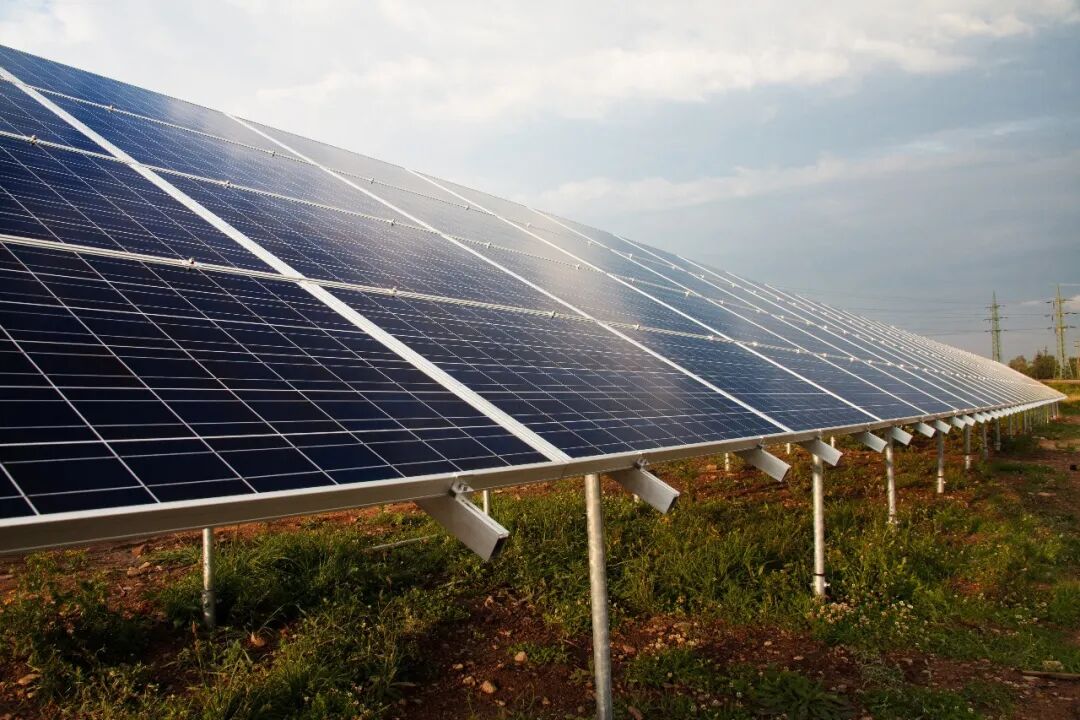
The negative's most intuitive argument is a straightforward economic one: global energy markets exist because they are efficient, and efficiency means lower prices for ordinary people. When countries specialize in producing the energy they are best positioned to produce and trade freely with others, the result is cheaper energy for everyone. Forcing domestic self- sufficiency means producing energy in less cost- effective ways, either by extracting resources that are geologically or economically marginal, or by building redundant domestic capacity that sits idle much of the time. The negative will argue that the real- world cost of this is borne by households and businesses in the form of higher utility bills and more expensive goods, a tangible, everyday harm imposed on citizens in exchange for a speculative geopolitical benefit that may never materialize.
Energy Independence Is a Myth for Market-Integrated Economies
Perhaps the most powerful negative defense is that energy independence, as the aff imagines it, doesn't actually deliver the protection it promises, because energy is priced globally, not domestically.
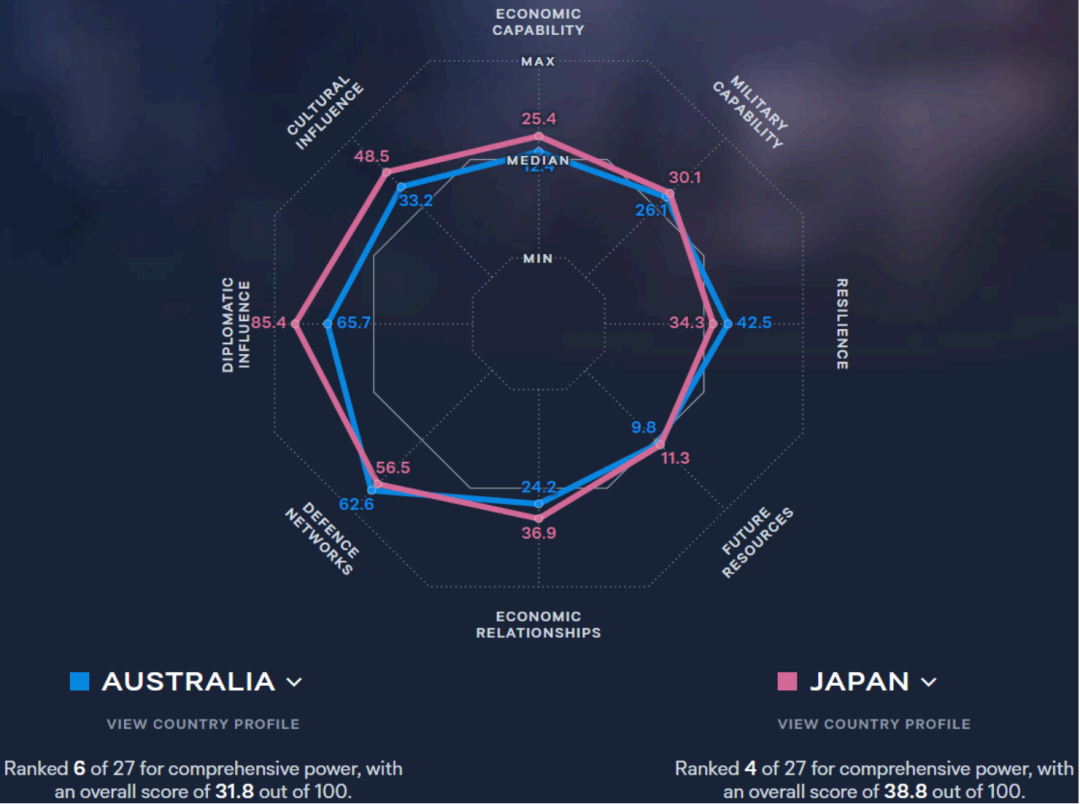
The above graphic and others which can be found on the Lowy Institute's website demonstrate that high energy independence is not strongly correlated with the meaningful measures of hegemonic and economic strength. Even countries like the US, Australia, Russia, and Indonesia who are 100% energy independent are still hugely affected by the international energy supply chain. "Economic security is not a function of how much energy a nation produces domestically or buys from abroad. Britain, for instance, produces more oil than it needs. Yet Britain's self- sufficiency scarcely shielded British consumers from the sudden spike in gasoline prices last summer. The reason: Petroleum prices everywhere are set in a world market, and no country, even a net exporter, can readily repair an energy policy that says, in effect, 'Stop the world. I want to get off.'" Average natural gas prices in the United States tripled between 2021 and 2022 (National Affairs 2024), a period when the US was already a net energy exporter. The negative will press this point hard: the aff is promising a form of insulation from global market forces that the evidence simply does not support.
Reference:
- https://scienceinsights.org/what-does-energy-independence-really-mean/
- https://power.lowyinstitute.org/data/resilience/resource-security/energy-selfsufficiency/
- https://www.brookings.edu/articles/energy-independence-is-not-desirable-or-doable/
- https://www.iea.org/reports/global-energy-review-2025/global-trends
- https://theothereconomy.com/en/articles/energy-dependence-and-geopolitical-risks/
- https://virtuemarketresearch.com/report/global-energy-trading-market
- https://www.nationalaffairs.com/publications/detail/a-new-energy-security-paradigm
- https://amigoenergy.com/blog/impact-of-energy-national-security-foreign-policy/