

“你唱得和别人不一样。我们一起来仔细听听,有什么不同?”
在德闳小学部近日举办的家长学院音乐课上,Mary老师这句温柔而有力的话语,为整个活动定下了基调——音乐不是一场关于“对错”的考核,而是一次关于发现、感受与联结的体验。
01Mary老师的音乐之路不只是音乐课,而是生命的联结
活动伊始,Mary老师并未直接讲述理论,而是分享了自己动人的成长故事,将她对音乐教育的信念植根于真实的人生土壤之中。
“对我音乐影响最大的人是我的父亲。从我一出生,他就常常唱歌给我听。”Mary老师成长于一个高知家庭——父亲是物理学家兼第一代计算机科学家,母亲是研究员——在1970年代的新加坡,父母的期望很明确:孩子应该成为律师或医生。因此,当年幼的Mary表示想学习音乐时,父亲的回应独树一帜:每次她通过音乐考试,就送她一本生物学书。这种看似矛盾的激励,实则巧妙地运用了她的好胜心,并蕴含了父亲的想传达给她的深意:你热爱的,与这个世界认为重要的,可以并行不悖。
Mary老师真正的人生转折发生在18岁。面对大学专业选择,她起初选择了攻读法律。但就在此时,她有幸遇到了英国“国王歌手”合唱团的传奇作曲家Bob Chilcott。她鼓起勇气向他请教音乐学习的意义,得到的回答改变了她的一生:“你为什么不追随你的梦想呢?你显然充满热情,也颇具才华,何不去看看音乐会将你引向何方?”
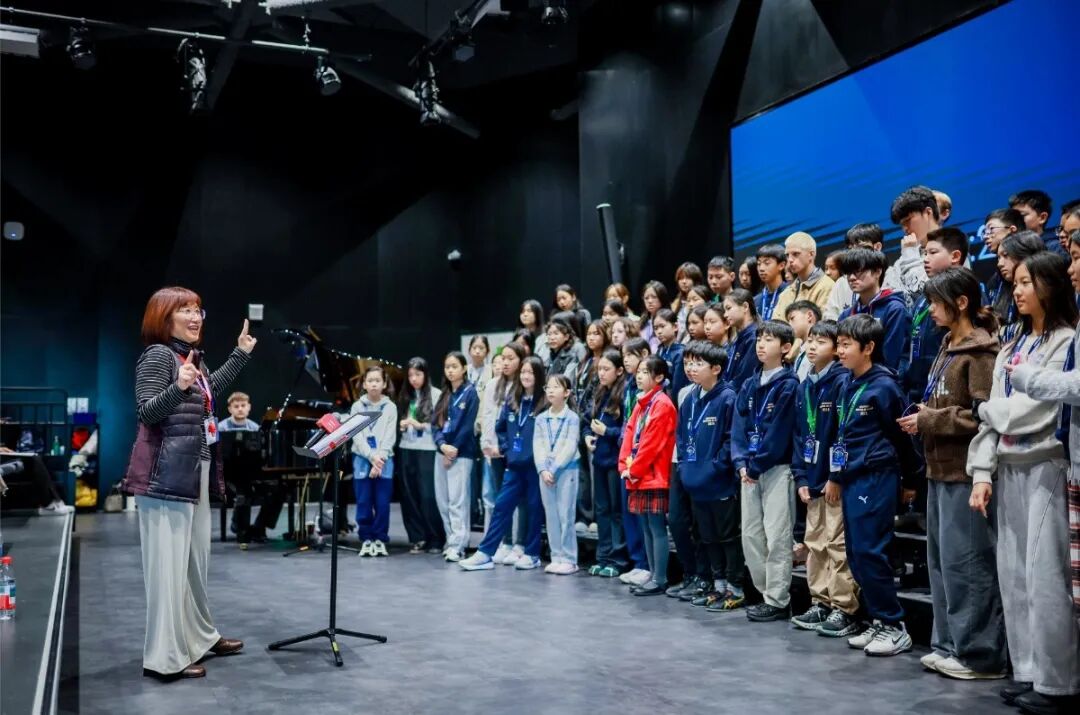
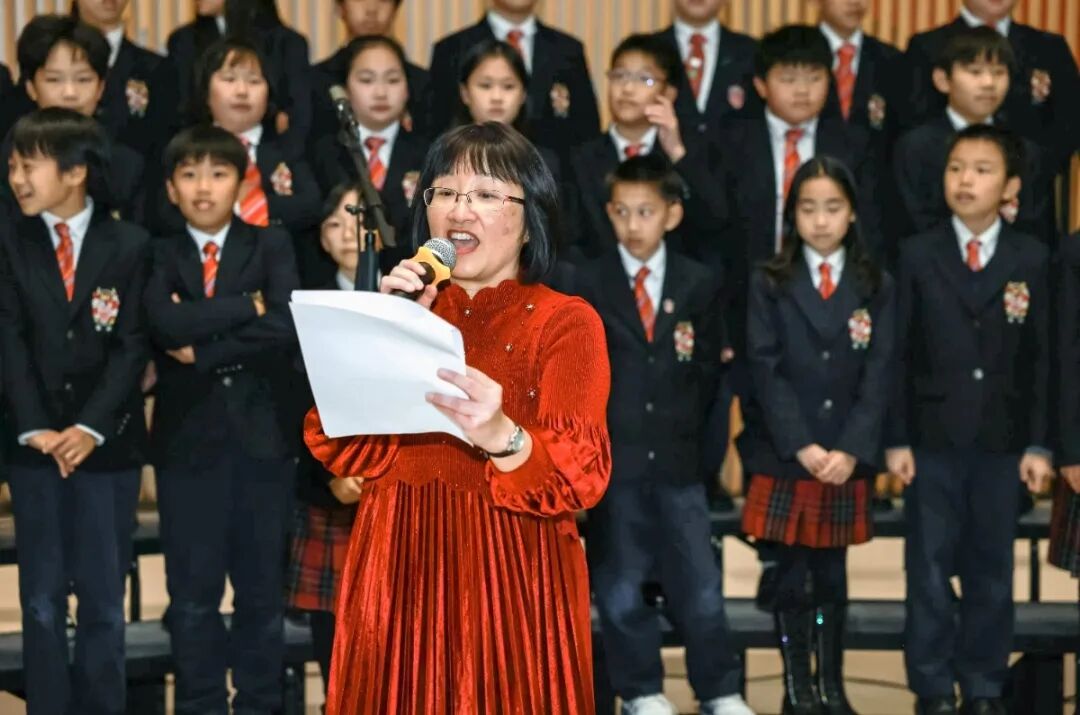
(在音乐事业中热情满满的Mary老师)
“我的父亲了解我,他知道我内心的坚定。于是,他开始和我一起学习钢琴——他自己就是一位终身学习者,并且同样热爱音乐。”这段与父亲并肩学习的经历,让她深刻体会到,音乐的本质是联结,是爱,是分享。因此,她也将这一理念传递给到场的家长们:“音乐于我,除了是对音律的热爱与集体协作的快乐,更象征着我与家庭的连结,它会让我回想起我们一同享受与创作音乐的时光。所以,请坚持你的热爱并与孩子分享它,同时也去观察并了解孩子所喜爱的事,享受共同学习的旅程。”
02从《问候歌》开始将音乐作为社交与情感的纽带
从一首简单的《问候歌》开始,Mary老师带领现场家长亲身体验了音乐如何超越技巧,成为连接彼此的纽带。大家围坐一圈,专注于声音这一音乐最本质的载体。她的教学步骤从容而充满匠心:并不急于让家长跟唱,而是先完整示范,请大家只模仿她的肢体动作;随后,才将注意力引向节奏与拍子,并逐步加入歌声。最后,通过“背靠背跳起”、“交换位置”等互动环节,让简单的旋律流淌出活力与欢笑。这一教学方法正是基于柯达伊和奥尔夫的音乐教育体系。
“我们为什么这样做?” 她适时地引导大家思考,“这不仅是学习音乐,更是在学习如何社交。试想中国新年、生日庆典时的问候——音乐,正是孩子学会分享、学习倾听、表达情感的安全桥梁。”
03解析德闳音乐教育从学校课堂到家庭生活的“协奏曲”
歌唱是一切音乐的基石
“为什么音乐课往往从歌唱开始?”Mary老师引用匈牙利作曲家兼音乐教育家佐尔坦·柯达伊的经典比喻指出:“不先发展歌唱、读谱和听写能力,就直接教孩子乐器,等同于在沙上建房。”歌唱是人类最直接、最本能地连接内心与声音的方式,它有效培养了听觉与感知,这为孩子未来理解更复杂的音乐语言奠定了坚实基础。
Mary老师进一步分享了一项BBC的研究:神经科学研究表明,唱歌能同步激活大脑中控制运动、听觉、记忆、语言和情感的区域,并促进多巴胺的释放。她总结道:“唱歌不仅是一种愉快的体验,更是一种天然的‘身心调节剂’,能有效提升情绪,增强社交联结与同理心。我们并非单纯地‘唱唱歌’,更是在呵护孩子们大脑与心灵的健康发展。”
从“So-Mi”到世界:结构化课程体系
Mary老师向家长们介绍了德闳精心设计的小学音乐课程,内容随年级升高而逐步深入。
- 低年级(G1-G2):感知为先。教学围绕儿童最容易掌握的自然音程(如“So-Mi”,类似“妈妈”的语调)展开,通过大量童谣、律动和柯达伊手势,帮助孩子建立稳固的音高与节奏基石。
- 中高年级(G3-G5):读写表达。在此阶段,课程会逐步引入图形谱、五线谱等音乐符号,并通过轮唱、固定音型练习以及简单的乐器演奏,引导孩子将内在的乐感转化为可读、可奏、可创作的综合性音乐素养。
家庭是音乐教育最重要的协奏曲
Mary老师特别强调了家庭环境在孩子音乐成长中的关键作用,并给出了具体建议:
- 将音乐融入日常:尝试用简单的音调为日常活动(如刷牙、整理)编唱短句,让音乐自然流淌在生活中。
- 玩转经典歌曲:与孩子一起演唱带有重复句和呼应结构的歌曲,可以进行歌词填空或接龙游戏,增加趣味性。
- 善用优质资源:共同阅读那些本身故事性强的歌唱绘本,让阅读成为一种美妙的音乐体验。
- 创造聆听环境:为孩子选择音域适中、旋律优美的歌曲,避免过于刺耳或低沉的音调,营造良好的音乐浸润氛围。
(Mary老师曾开设音乐公开课,邀请家长与孩子共同学习)
活动现场,一位妈妈的真诚分享,道出了许多参与者的共鸣:“这样的音乐教育已超越了音乐学习本身。Mary老师的热情与专业深深感染了在场的每一个人,她带领大家进行音乐游戏互动与小合唱,家长们迅速融入其中,甚至有人因和谐的音调与美好的氛围而感动落泪。我想,这正是音乐直抵人心的力量。”
04超越课堂的音乐旅程在协作与联结中成长
家长学堂在温暖而充满能量的氛围中步入尾声。Mary老师总结道:“音乐不是一项孤立的技能,而是一种在社群中完成的协作,是超越语言的情感联结。它教会孩子坚持、尊重与合作——这些将成为他们一生受益的财富。”
这不仅是一堂音乐课,更是一次对教育本质的温柔叩问:我们该如何呵护孩子眼中好奇的火苗?如何与他们共享这世界的美妙频率?德闳的音乐教育以其方式给出回应:从一句真诚的问候、一段简单的旋律开始,在爱与分享中,共同谱写成长的乐章。
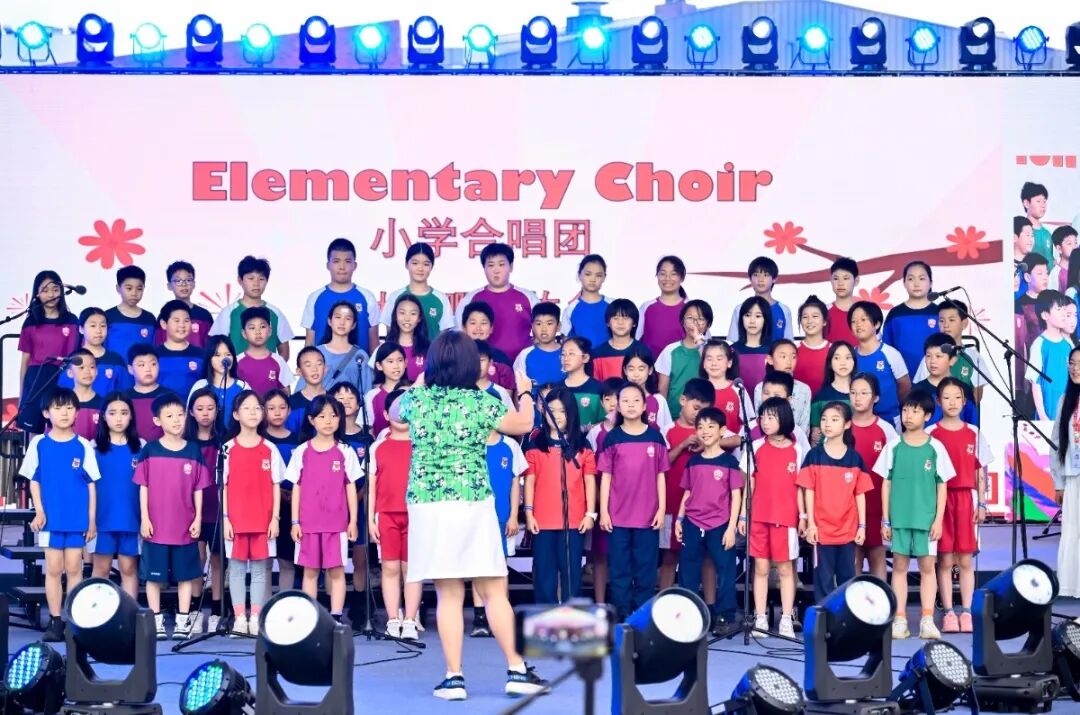
(享受音乐与舞台的德闳学子)
这份理念的共鸣,终将在孩子们绽放的笑容与自信的演绎中,获得最动人的回响。如果您被这份以爱为起点的音乐教育所触动,并期待亲眼见证孩子们如何将抽象的旋律化为具体的美好,我们诚挚邀请您莅临德闳小学艺术展,感受全人教育在艺术领域的丰硕成果。
- 时间:12月17日 16:30-18:30
- 地点:上海德闳学校校园
在这场冬日艺术盛宴中,您将聆听孩子们和谐的乐器与合唱表演,欣赏他们的视觉艺术创作,近距离体验一学期艺术学习的成长轨迹。
12月17日,期待与您相约,共同见证这场关于成长的美妙奏鸣!
2026年1月8日及1月10日
上海德闳将分别举办中学及小学开放日
即刻扫码报名,亲临德闳校园
探索优质资源支持下的个性化成长路径

插班测评也持续进行中
Music as a Bridge of Love: Understanding Dehong’s Elementary School Music Education Through a Parent Academy Music Class
"You’re singing differently from the others. Shall we listen carefully to hear what the difference is?"
This gentle yet powerful statement from Ms. Mary at a recent Dehong Elementary School Music Parent Academy set the tone for the entire event—it was not an assessment of "right or wrong," but an experience ofdiscovery, feeling, and connection.
(Click the video to revisit the highlights from the Parent Academy music class)
01Ms. Mary's Journey to MusicMore Than a Class, a Connection to Life
At the beginning of the session, instead of diving straight into theory, Ms. Mary shared her moving personal story, grounding her beliefs about music education in the soil of real life.
"The person who influenced my music the most was my father.He sang to me often from the moment I was born," Ms. Mary began. She grew up in an intellectual family—her father was a physicist and first-generation computer scientist, and her mother was a researcher. In 1970s Singapore, parental expectations were clear: children should become lawyers or doctors. Therefore, when young Mary expressed a desire to study music, her father's response was unique:for every music exam she passed, he would give her a biology book. This seemingly contradictory encouragement cleverly harnessed her competitive spirit and contained her father's understanding:what you love and what the world deems important can coexist.
The real turning point came at age 18. Facing university major choices, she initially chose to study law. It was then that she had the fortune to meet Bob Chilcott, the legendary UK composer from the UK's "The King's Singers." Gathering her courage, she asked him about the meaning of studying music. His reply changed her life:"Why don't you just follow your dream? You're obviously really passionate about it, and you've got some talent. Why not see where music will take you?"
(Ms. Mary, full of passion for her musical career)
"My father understood me. He knew I was competitive, so he turned that competitiveness into motivation—he himself was a lifelong learner and being passionate about music too, he started learning the piano with me." This experience of learning alongside her father made her deeply appreciate thatthe essence of music is connection, love, and sharing.
She therefore shared this concept with the attending parents: “For me, music is first about loving sound and the joy of being part of a group, but more importantly, it connects directly to my core and my family, because of the stories and times we created together in music. What I hope you take away today is:please follow your passion and share it with your child. Also, observe and take an interest in what your child likes and enjoy the learning journey together.”
02Starting with a "Greeting Song"Experiencing Music as a Social and Emotional Bridge
Beginning with a simple "Greeting Song," Maryled the parents present in firsthand experience of how music transcends mere technique to become a bond that connects everyone. They gathered in a circle, focusing on the human voice as the most fundamental vehicle of music. The teaching steps were masterful: she did not rush to have everyone sing along but first sang the entire song herself, asking everyone to only mimic her physical movements. Then, she gradually guided everyone to focus on rhythm and beats before finally adding their voices. She designed fun interactive elements like"jumping back-to-back" and "exchanging positions,"filling the simple melody with vitality and laughter. This teaching methodology is based on theKodaly-Orff approach to music education.
"Why do we do this?" she prompted everyone to reflect. "This is not just music; it is teaching social skills. Think about it—how do we greet others during Chinese New Year or birthday celebrations?Music is a safe bridge for them to learn about taking turns, listening, and expressing respect and welcome."
03Dehong's Music EducationA "Concerto" Moving from the Classroom to Family Life
Singing: The Foundation of All Music
"Why should music classes start with singing?" Ms. Mary quoted the famous analogy by Hungarian composer and music educator Zoltán Kodály:"To teach a child an instrument without first giving preparatory training and without developing singing, reading, and dictating to the highest level is to build upon sand."Singing is the most direct and instinctive way to connect the inner self with sound. It cultivates an irreplaceable inner hearing and pitch perception, which is the foundation for understanding all complex music in the future.
She shared the latest BBC research: neuroscience shows thatsinging simultaneously activates areas of the brain controlling motor skills, hearing, memory, language, and emotion, and promotes the release of dopamine."Mary concluded. " Singing is a form of natural therapy. It lifts our mood, enhances social bonding and empathy, and even positively impacts the prevention of cognitive decline. We are not just 'singing songs'; we are nurturing the healthy development of the entire brain and soul."
From 'So-Mi' to the World: A Structured Curriculum System
- Lower Elementary (G1-G2): Perception First.Focused on the natural interval "So-Mi" (like the inflection in "mama"), which children master first. A solid foundation in pitch and rhythm is built through a wealth of nursery rhymes, movement, and Kodály hand signs.
- Middle & Upper Elementary (G3-G5): Literacy and Expression.Gradually introduces graphic scores, staff notation alongside numbered notation. Transforms inner musicality into comprehensive music literacy that can be read, played, and created through activities like round singing, ostinato practice, and instrumental performance.
(Dehong Elementary School music class)
The Family: The Most Important Accompaniment in Music Education
Ms. Mary emphasized the crucial role of the family and offered concrete advice:
- Integrate Music into Daily Life:Accompany routines like brushing teeth or washing faces with self-composed tunes.
- Play with Classic Songs:Sing songs with repetition and echo, play "fill-in-the-lyics" games.
- Utilize Quality Resources:Read singing picture books together—these stories are wonderful music lessons in themselves.
- Create a Listening Environment:Choose songs for children with a suitable vocal range and beautiful melodies, avoiding shrill highs or uncomfortably low pitches.
(Ms. Mary once hosted an open music class, inviting parents and children to learn together)
At the event, a mother’s heartfelt reflection resonated with many participants: "This kind of music education goes far beyond the mere learning of music.Ms. Mary’s infectious enthusiasm and professionalism deeply touched everyone present. As she led everyone through interactive music games and small group singing, the parents quickly immersed themselves in the experience—some were even moved to tears by the harmonious melodies and the beautiful atmosphere. That, I believe, is the power of music to touch the heart directly."
04Musical Journey Beyond ClassroomGrowing Through Collaboration and Connection
The parent workshop drew to a close in a warm and uplifting atmosphere. Ms. Mary concluded,“Music is not an isolated skill but a collaborative act completed within a community—an emotional connection that transcends language. It teaches children perseverance, respect, and cooperation—values that will become lifelong assets.”
(Dehong students enjoying music and the stage)
This was more than a music lesson; it was a gentle inquiry into the essence of education: How do we nurture the spark of curiosity in children’s eyes? How do we share with them the wondrous frequencies of the world? Dehong’s music education offers its response: beginning with a sincere greeting or a simple melody, we co-compose the symphony of growth through love and sharing. The resonance of this philosophy ultimately finds its most touching echo in children’s blossoming smiles and confident performances.
If you are inspired by this love-centered approach to music education and wish to witness how children translate abstract melodies into tangible beauty, we warmly invite you to theDehong Elementary School Arts Show. Come experience the rich fruits of holistic education in the arts!
- Time: December 17, 16:30–18:30
- Location: Dehong Shanghai Campus
At this winter art celebration, you will enjoy harmonious instrumental and choral performances by students, admire their visual art creations, and witness their artistic growth over the semester.
We look forward to welcoming you onDecember 17to celebrate this beautiful sonata of growth together!
January 8 and 10, 2026
Dehong Shanghai will hosttheSS & ESOpen Day
Scan the QR code to register and
discover how world-class resources nurture personalized growth
Transfer assessments are also ongoing