

WSC Weekly
2026世界学者杯
the World Scholar's Cup
@WSC小学者们!Jerry喊你来看
WSC Weekly专栏啦!
2026年度主题
Are We There Yet?
WSC Weekly专栏将精选最新话题内容
助力小学者准备世界学者杯!
让我们怀着永恒的学术精神与信念探索未来的无限可能吧!
锁定每周WSC Weekly
上期回顾&Quiz答案揭晓
在2026年世界学者杯第15期WSC Weekly栏目中,我们与小学者一起学习了历史上传奇巴士路线是如何带来终极地面旅行体验的。在上期的趣味Quiz中,你是否找到了正确答案?现在就让我们一起来揭晓吧!
点击查看上期话题
坐巴士穿越一个大洲是一种什么体验?
What’s it like to cross a continent by bus
第15学期Quiz答案揭晓:
If you travel through the Transoceánica bus route, you are LEAST likely to:
如果你乘坐Transoceánica巴士线路,你最不可能
A) Recline your seat in a double-decker coach for over 100 hours of travel. 在双层巴士上将座椅放倒,进行长达100多个小时的旅程。
B) Pass through the towering Andes Mountains at altitudes nearing 3,500 meters. 穿越海拔接近3,500米的雄伟安第斯山脉。
C) Take a refreshing shower using the bus's built-in onboard bathroom facilities. 使用巴士内置的卫生间设施洗个清爽的澡。
D) Experience dramatic temperature variations swinging between 40°C and 0°C. 经历在40°C和0°C之间剧烈波动的温差。
E) Cross the South American continent to link the Atlantic and Pacific oceans. 横跨南美洲大陆,连接大西洋和太平洋。
正确答案: C
Key: C
2026年第16期
Weekly Intro
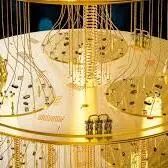
量子计算机和传统电脑的区别到底有多大,它长什么样?又能给人类的生活带来怎样的变化?在本期 Weekly中,老师将带领你探讨量子计算机的技术!
2026 No.16
量子计算机要来了,你的支付宝密码即将失效?
Are we prepared for the quantum apocalypse?
量子末日(Q-day)
想象这样一天:一家研究实验室宣布了一项突破——他们成功利用量子计算机将一个RSA-2048密钥分解为质因数。这一消息迅速传遍全球。虽然不会出现爆炸等剧烈反应,但你的日常生活将立即陷入停滞。当你查看手机时,银行应用无法打开,因为保护你资金的安全代码已被破解。在超市里,信用卡网络瘫痪,迫使商家只能接受现金支付,甚至不得不关门歇业。由于现代基础设施依赖于这些加密锁,供应链将陷入停滞,医院无法调取病历,就连调节你用电的智能电网也可能面临前所未有的中断。黑客随时都能破解你的电子钱包私钥。每一位电子货币投资者都试图恐慌性抛售或将资金转移到安全地带,比特币的价值将直线下跌趋近于零。专家们给这一时刻起名为“量子末日(Q-day)”,即量子计算跨越某个门槛,使现代加密技术不再值得信赖的那一天。据谷歌科学家称,这一时刻将在10年内成为现实。
Imagine one day, a research lab (or a clandestine government project) announces a breakthrough – they’ve successfully factored an RSA-2048 key using a quantum computer, or solved an elliptic-curve cryptography challenge thought impossible. The news spreads rapidly through the world. You wouldn't see an explosion, but your daily life would immediately ground to a halt. When you check your phone, your banking app refuses to open because the secure codes keeping your money safe have been compromised. At the grocery store, credit card networks are dark, forcing shops to accept only cash or close their doors entirely. Because modern infrastructure relies on these encrypted locks, supply chains freeze; medical records become inaccessible at hospitals, websites lack the secure "padlock" icon in the URL bar, and even the smart grids regulating your electricity could face unprecedented disruptions. Hackers can crack your e-wallet's private key at any time. With every investor of digital currency trying to panic-sell or move funds to safety, the value of Bitcoin plummets toward zero. Experts give this moment a name: Q-Day—the day quantum computing crosses a threshold where modern encryption can no longer be trusted. According to Google scientists, this moment would become a reality within 10 years.
Q比特:量子叠加
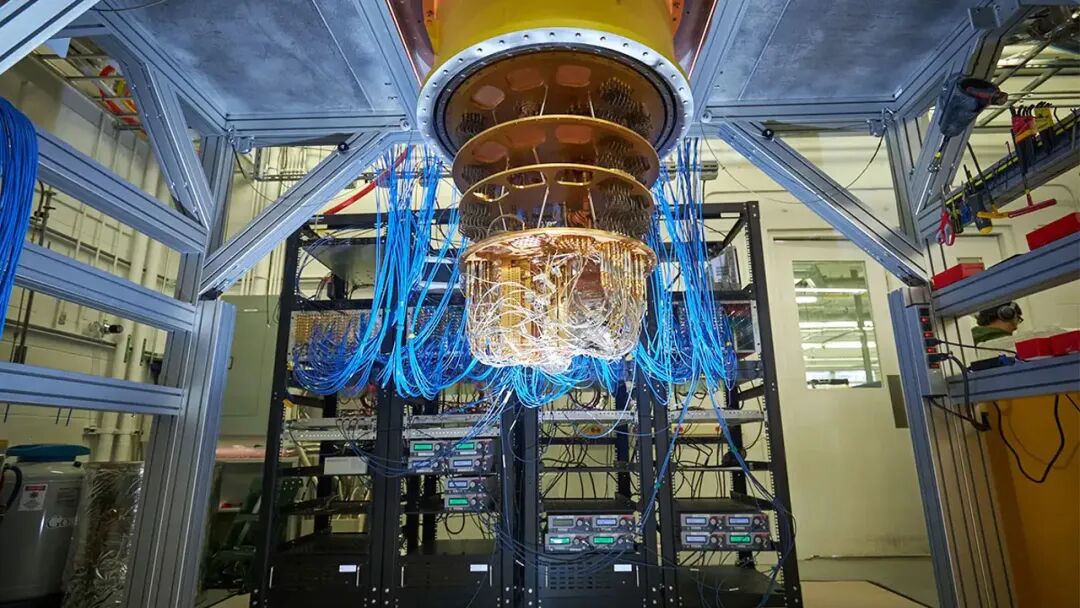
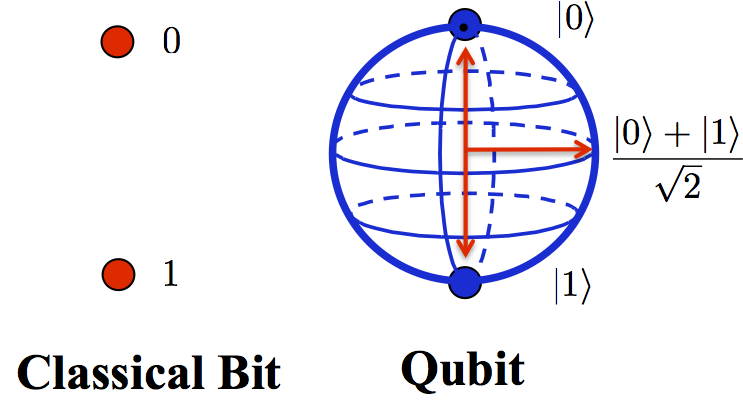
要理解为什么这种毁灭性的场景会进入科学家的考量,就必须了解量子计算机究竟是什么。传统计算机中信息处理的基本单位是“比特”,每个比特要么是0,要么是1。然而,量子计算机则不同,其基本单位被称为“量子比特”,它可以同时处于0和1的“叠加态”(就像著名的薛定谔的猫一样)。这一原理使量子计算机能够在叠加态中编码海量的可能性,并通过量子干涉来放大正确结果的概率,而不是像经典计算机那样简单地逐一枚举各种可能性。简而言之,在解决问题时,量子计算机无需逐一尝试答案,而是能够同时考察多种解决方案,并以传统计算机无法企及的方式发现规律。
To understand why such a scenario is even considered, it is necessary to understand what quantum computers actually are. The basic unit of information processing in conventional computers is the “bit,” where each bit is either a 0 or a 1. Quantum computers, however, are different. Their basic unit is called a “qubit,” which can exist simultaneously in a “superposition” of both 0 and 1 (much like the famous Schrödinger's cat). This principle enables quantum computers to encode a vast number of possibilities within the superposition state and amplify the probability of the correct result through quantum interference, rather than simply enumerating possibilities one by one as classical computers do.In short, when solving problems, rather than trying answers one after another, quantum computers can examine multiple solutions at the same time and discover patterns in ways that traditional computers cannot.
量子机构性
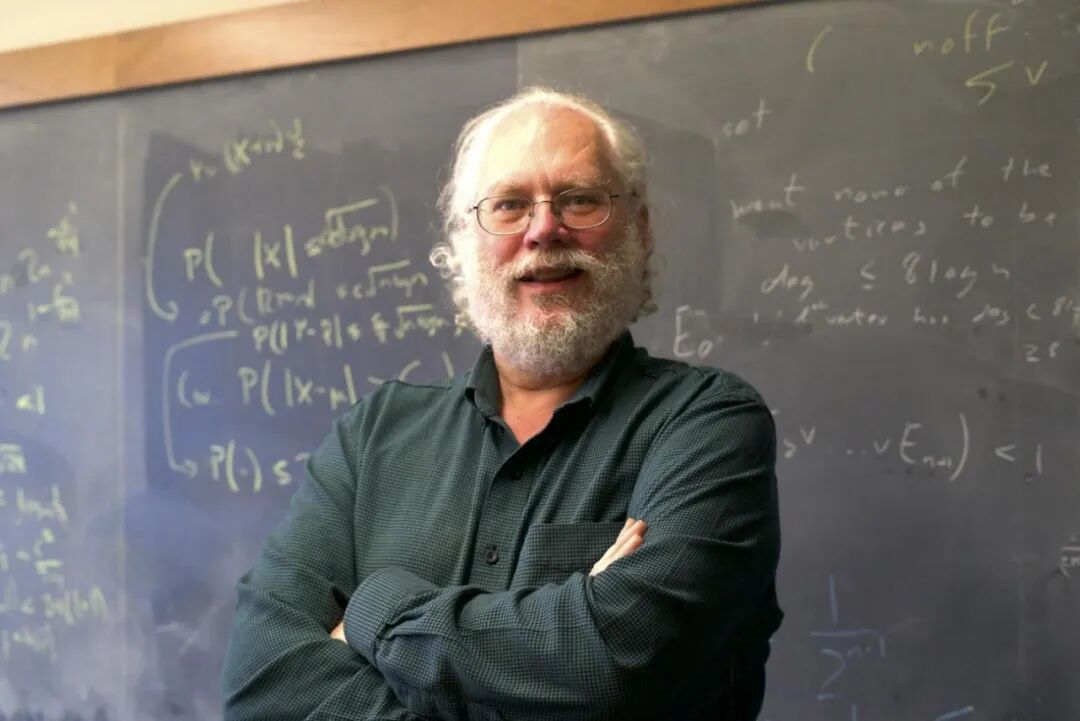
量子计算的理论基石奠定于 20 世纪末,而其决定性的时刻发生在 1994 年。当时,彼得·秀尔(Peter Shor)开发出了一种算法(即秀尔算法),从原理上证明了量子计算机可以通过极其高效地分解大质因数,来攻破目前被广泛使用的加密系统。这一发现让量子计算从一个抽象的学术概念,蜕变为一个对国家安全具有深远战略影响的领域。自此,该领域的研究逐步从纯理论走向了实验。21 世纪初的早期原型机展示了小规模的量子行为。到了 2010 年代,各大科技巨头开始着手构建更先进的量子处理器。2019 年,谷歌宣布其53量子比特的“悬铃木”处理器在200秒内完成了一项随机量子线路采样任务,而当时最快的超级计算机“顶点”预计需要1万年,这标志这人类迎来了一个重大里程碑——“量子机构性(quantum supremacy)”,即量子计算机在特定计算任务上展现出传统计算机在任何合理的时间范围内都无法企及的能力。从那时起,技术开发一直在稳步推进,量子比特的数量不断增加,控制系统也日益完善。
The theoretical foundations of quantum computing emerged in the late twentieth century, but a defining moment came in 1994 when Peter Shor developed an algorithm showing that quantum computers could, in principle, break widely used encryption systems by efficiently factoring large numbers.This discovery transformed quantum computing from an abstract idea into a field with profound security implications. From there, progress moved gradually from theory to experimentation. Early prototypes in the 2000s demonstrated small-scale quantum behavior. By the 2010s, major technology companies began building more advanced quantum processors. In 2019, Google announced that its 53-qubit “Sycamore” processor had completed a random quantum circuit sampling task in 200 seconds, whereas “Summit,” the fastest supercomputer at the time, was estimated to require 10,000 years to do so. This marked a major milestone for humanity—“quantum supremacy”—meaning that quantum computers demonstrated capabilities on specific computational tasks that traditional computers could not match within any reasonable timeframe.Since then, development has continued steadily, with increasing qubit counts and improved control systems.
量子计算在各领域的表现
量子计算带来的可能性是极其巨大的。其潜在的应用范围极为广泛且极具变革性。在医学领域,量子计算机能够以非凡的精度模拟分子间的相互作用,从而帮助研究人员更高效地设计新药和治疗方案。在材料科学领域,它们可以让科学家发现具有特殊定制属性的新物质,用于能源存储、建筑或电子元器件。在环境科学领域,它们可以通过处理全球系统难以想象的复杂性,来大幅完善气候预测模型。甚至在物流和金融领域,量子计算也能跨越庞大的变量网络来优化决策,而这在目前传统的计算机系统中是根本无法实现的。
The possibilities brought by quantum computing are tremendous.The potential applications are wide-ranging and transformative. In medicine, quantum computers could simulate molecular interactions with extraordinary precision, helping researchers design new drugs and treatments more efficiently. In materials science, they may allow the discovery of new substances with properties tailored for energy storage, construction, or electronics. In environmental science, they could improve climate models by handling the immense complexity of global systems. Even in logistics and finance, quantum computing could optimize decisions across vast networks of variables in ways that are currently out of reach for classical computing systems.
加密体系面临危机?
然而,正是这些让量子计算如此强大的能力,也制造了它最令人担忧的安全隐患。现代数字安全极度依赖于加密系统(比如RSA密码算法),这些系统通过设置对传统计算机而言极难逆向破解的数学难题,来保护数据的安全。它们保障着从电子邮件、金融交易到身份验证系统和敏感基础设施的一切安全。然而,运行秀尔算法的量子计算机可以从根本上扭转这一点。足够先进的量子计算机无需耗费漫长的时间就可以高效地解开这些数学谜题,从而允许人们直接从公开可得的数据中推导出私钥。一旦这成为可能,其后果将波及数字世界的每一个角落。机密通信可能被窃听,认证系统可能沦陷,甚至连比特币等加密货币在内的金融系统都将面临严重的漏洞和崩塌风险。
The same capabilities that make quantum computing powerful also create its most serious concern. Modern digital security depends heavily on encryption systems such as RSA, which protect data by relying on mathematical problems that are extremely difficult for classical computers to reverse. These systems secure everything from emails and financial transactions to authentication systems and sensitive infrastructure. However, quantum computers running Shor's algorithm could fundamentally change this equation. Instead of struggling with these problems over impractically long timescales, a sufficiently advanced quantum computer could solve them efficiently, allowing private encryption keys to be derived from publicly available data. If that becomes possible, the consequences would extend across almost every layer of the digital world. Confidential communications could be exposed, authentication systems could be compromised, and financial systems, including cryptocurrencies like Bitcoin, could face serious vulnerability.
后量子密码学 PQC
为应对这些风险,研究人员正在制定后量子密码学(PQC)标准,这是一种旨在即使面对量子攻击也能保持安全的新一代加密技术。美国国家标准与技术研究院(NIST)已发布了首批PQC算法(如ML-KEM和ML-DSA)。这些系统不再依赖基于因式分解的问题,而是采用被认为能够抵御量子算法的数学结构,例如基于复数格的问题。许多美国领先的科技公司也在为后量子加密时代做准备。例如,Google Chrome、Microsoft Edge 和 Mozilla Firefox 等浏览器的最新版本,以及网络基础设施提供商 Cloudflare,都已部署了 PQC 算法。国外许多社交聊天软件已过渡到后量子加密。例如,2024年初,苹果对iMessage进行了史上最大规模的加密升级,引入了名为PQ3的后量子密码学协议。然而,在所有地方构建和部署这些系统并非易事。许多现有技术和基础设施是在量子计算尚未成为关注焦点之前很久就创建的,对其进行更新仍需要不少时间。
In response to these risks, researchers are developing Post-Quantum Cryptography (PQC) standards, a new generation of encryption designed to remain secure even against quantum attacks.The National Institute of Standards and Technology (NIST) has published initial PQC algorithms (like ML-KEM and ML-DSA). Instead of relying on factorization-based problems, these systems use mathematical structures that are believed to be resistant to quantum algorithms, such as complex lattice-based problems. Many leading U.S. tech companies are also preparing for the post-quantum encryption era. The latest versions of browsers such as Google Chrome, Microsoft Edge, and Mozilla Firefox, as well as the network infrastructure provider Cloudflare, have already deployed PQC algorithms. Many social messaging apps abroad have already transitioned to post-quantum encryption. For instance, in early 2024, Apple carried out the largest encryption upgrade in iMessage's history, introducing a post-quantum cryptography protocol called PQ3. However, building and deploying these systems everywhere is not simple. Many existing technologies were created long before quantum computing was a concern, and updating them takes time.
Weekly 关键词 Key Words
quantum computers 量子计算机
Q-Day 量子末日
所属话题
Next Year in Futurism
相关阅读
https://edition.cnn.com/2026/05/17/science/quantum-computing-cybersecurity-q-day
Weekly FUN Quiz
现在,快来参与本期Weekly FUN Quiz👇,告诉老师你的答案吧!
Quiz
Which of the following ways of transmitting information is MOST likely to be safe on Q-Day? 在“量子末日”当天,以下哪种信息传输方式最有可能确保安全?
A) Using a mobile phone verification code to ensure the recipient's identity. 使用手机验证码确保接收人信息。
B) Using both fingerprint and facial recognition to encrypt the file during transmission. 使用指纹和人脸识别双重加密文件传输。
C) Hiding documents inside secret, off-grid cloud backup servers. 将文件隐藏在秘密的、脱离网络的云备份服务器上。
D) Writing secret information on a note and delivering it by pigeon. 将机密信息写在便条上,并通过信鸽传递。
E) Sending files encrypted using highly advanced mathematical software codes. 使用高度先进的数学软件代码对文件进行加密后发送。
To WSC Scholars:
本期Weekly Quiz正确答案将在专栏下期推文中揭晓!欢迎小学者们关注服务号,进入“WSC Weekly”专栏,此栏目将会持续陪伴小学者们,分享更多WSC趣味学术知识!
the World Scholar's Cup