

秋季常规挑战正在进行中
后续多个场次皆可报名
本季度,JWSD从12月5-6日的
广州/北京城市轮开始
将采用新的已备辩题
Junior WSD 秋季已备辩题Ⅱ
今天就公布给大家
早早开始准备吧~
Junior WSD 秋季已备辩题 Ⅱ
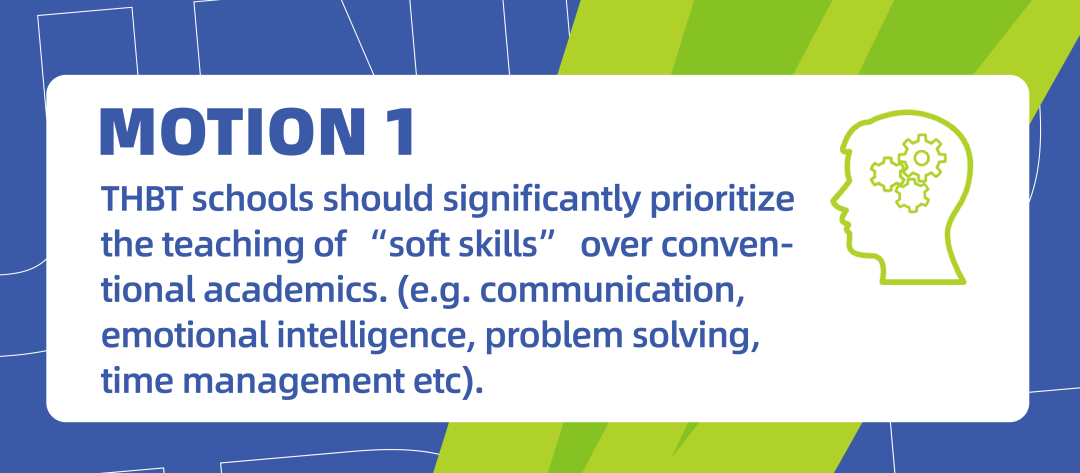
MOTION 1
THBT schools should significantly prioritize the teaching of “soft skills” over conventional academics. (e.g. communication, emotional intelligence, problem solving, time management etc).
MOTION 2
This House Supports the trend of minimalism in personal consumption.
*Info Slide: Minimalism is the voluntary and intentional practice of living with fewer possessions and consuming only what is essential.
▋秋季已备辩题 Ⅱ适用场次
广州线下城市轮 12月5日-6日
北京线下城市轮 12月5日-6日
秋季线上Ⅳ 12月12日-13日
宁波线下城市轮 12月12日-13日
秋季线上Ⅴ 12月19日-20日
重庆线下城市轮 12月19日-20日
深圳线下城市轮 12月26日-27日
武汉线下城市轮 12月26日-27日
秋季线上Ⅵ 1月2日-3日
▋挑战日程及辩题发布计划
1. 2026 秋季常规挑战循环轮阶段共设置 4 轮挑战,将采用2 轮已备辩题+2 轮即兴辩题形式展开。
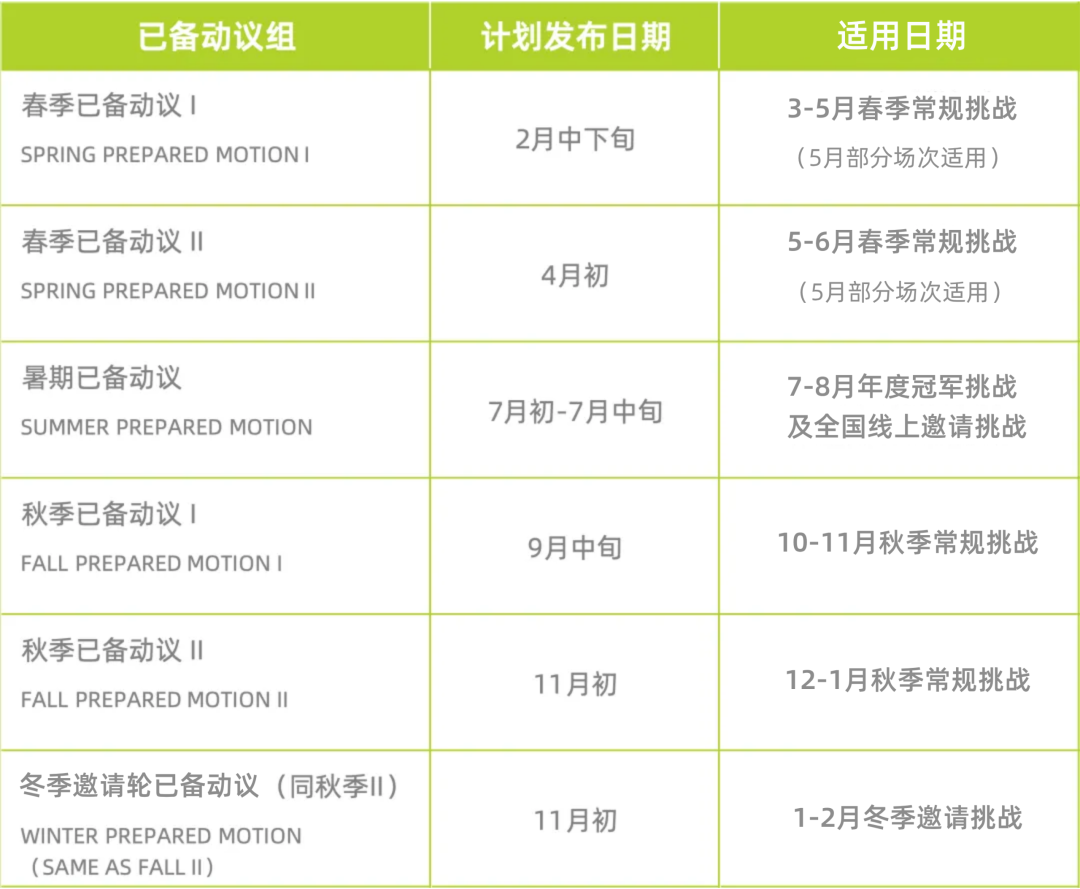
2.Junior WSD已备辩题全年发布计划如下:

Young Mind, Fresh Ideas
2026 Junior WSD 秋季常规挑战
除了已备辩题Ⅱ的公布
今天也会同步发出辩题解析
希望能够帮助大家更好地备战!
Proposition 正方
Soft skills are more practical. We have to prepare students for the real world they will enter. There is a big gap between the academic subjects students learn and the skills society actually needs. Schools should focus more on soft skills because they are more useful and practical in life and work.
First, soft skills prepare students for real life.
Soft skills are more useful in the real world than just academic knowledge. After school, students need to talk to people, solve problems, and manage their time. Most jobs care more about these skills than about remembering theories from textbooks. Also, new technology and information keep changing so technical knowledge can become outdated quickly. But communication, adaptability, and emotional intelligence stay useful for a long time.
Second, soft skills help students learn better.
Soft skills like time management, problem-solving, and self-control actually improve academic results. When students can focus, plan their work, and keep trying even it’s hard, they can also learn other subjects more easily. Working with others also helps them understand academic knowledge better. So teaching soft skills does not reduce academic strength, it makes academic learning stronger.
Third, the prioritization protects students’ mental health.
Teaching emotional intelligence can help with the rising mental health problems. Students today feel a lot of stress and pressure. Soft skills teach them how to stay calm, solve arguments, and build good friendships. These skills help students feel less anxious and stay healthier.
Opposition 反方
Soft skills matter, but they are largely developed through academic learning.
First, conventional academics are the base for studying soft skillsbecause they give students the knowledge they need. Soft skills alone are not enough. For example, a student can be great at talking and teamwork, but if they do not understand science or math, they cannot solve real problems like calculating or curing a disease. Without knowledge, soft skills are useless. In college admissions, soft skills can help a little, but the main standard is still academic scores and grades. So putting soft skills first is not helpful. Thus, prioritizing soft skills can harm students. If schools put soft skills first, students will have less time for important academic subjects. This creates an opportunity cost. Students may become weaker in core academic subjects. They will be less competitive when they apply for good schools or jobs. Losing strong academic ability hurts students more in the long run.
Second, soft skills can be developed indirectly through academics.
Students already learn soft skills while doing academic work on our side. For example, group projects in Chemistry or Physics teach teamwork and communication. Discussions and debates in language class teach speaking and critical thinking. Exams teach time management and problem-solving. These activities build soft skills naturally. If schools spend a lot of extra time only on soft skills, they waste time that could be used for deeper learning. Deeper academic work builds soft skills, so it is unnecessary to spend extra time on them.
Proposition 正方
Minimalism is beneficial for sustainable development for both individuals and the planet.
1-Mental Health and Autonomy
Minimalism gives people more free time, because you spend less time cleaning and organizing many things. You also do not waste time shopping for things that you don’t really need. This reduces stress and anxiety. With less pressure, you can focus more on relationships, hobbies, and learning new skills. As a result, you feel less stressed and more satisfied with life. Minimalism also improves personal autonomy. Autonomy means having more control over your own life. You can choose what you really want instead of following trends or buying things just to look successful.
2-Environmental Sustainability
If many people choose minimalism, it can greatly reduce resource use, waste, and carbon emissions. Personal consumption causes a lot of environmental damage. Everything you buy needs resources to make and transport. For example, factories use energy and raw materials to produce clothes, cars, and many other goods. Shipping these products around the world creates carbon emissions. And when you throw things away, they become waste and often end up in landfills, which pollute the air and the water. So minimalism is good for the environment. If we support it, more people can develop stronger environmental awareness. When you intentionally buy less, you lower the demand for goods and packaging. When fewer people buy unnecessary products, companies produce less. They may start making fewer items, use less packaging, or create more durable products. So minimalism can help fight climate change and protect natural resources.
Opposition 反方
1-Consumption is good
Buying and owning things can bring real value and happiness because many items make your life better or more enjoyable. Some things show your personality and taste, like clothes, books, or decorations you like. Some things help you enjoy valuable experiences, like a camera or sports equipment. If we push minimalism too hard, people may start to feel stressed or guilty about buying normal things they need or enjoy. People lower their quality of life and feel anxious about everyday choices. So we also turned proposition's impact on mental health.
2-Economic Backlash
If we buy the mechanism of proposition, that many people become minimalists, then industries and jobs that depend on consumer demand will suffer. Retail, manufacturing, design, and related services employ a large number of people. When people buy much less, these sectors will shrink. With fewer jobs, many families will have less income. This can slow down economic growth and make life harder for ordinary people.