

WSC Weekly2025世界学者杯the World Scholar's Cup@WSC小学者们!Jerry喊你来看WSC Weekly专栏啦!
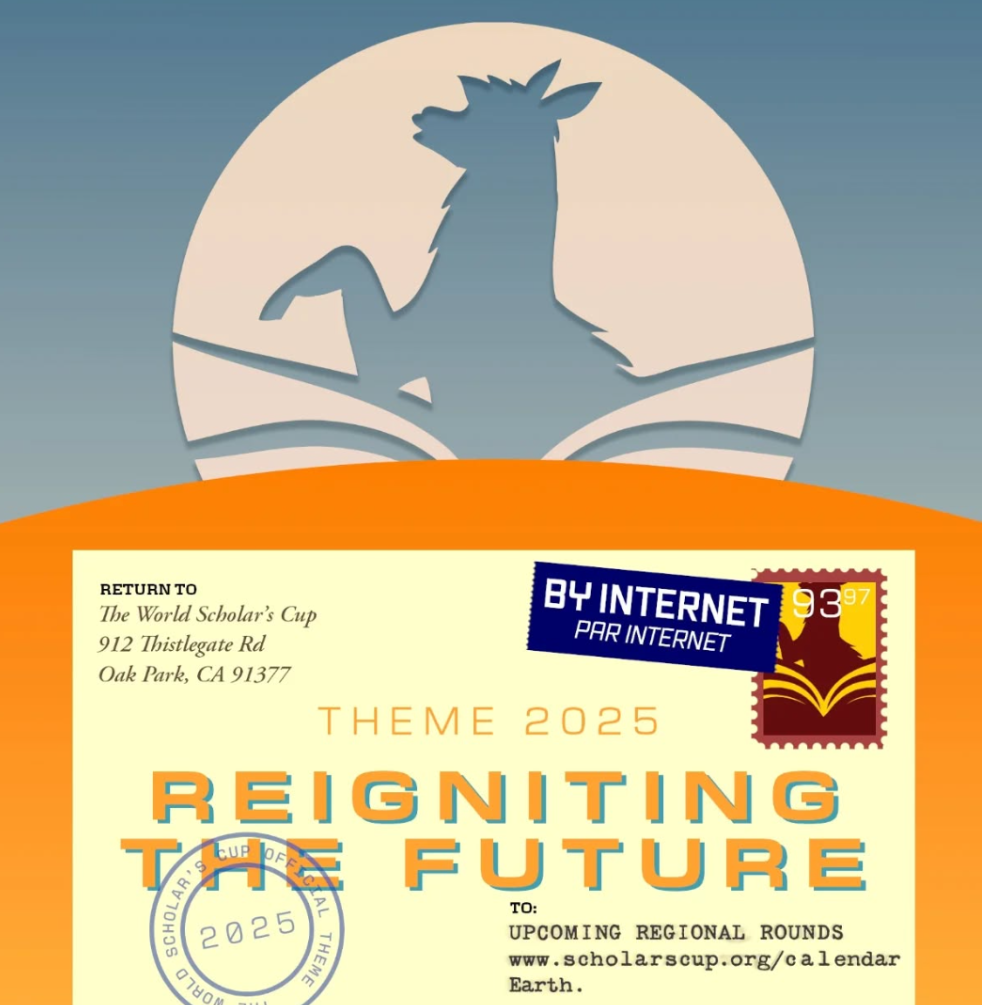
2025年度主题:重燃未来
Reigniting the Future
WSC Weekly专栏将精选最新话题内容
助力小学者准备世界学者杯!
让我们怀着
永恒的学术精神与信念
探索未来的无限可能吧!
锁定每周WSC Weekly
上期回顾&Quiz答案揭晓
在2025年世界学者杯第34期WSC Weekly栏目中,我们与小学者一起了解了平台衰退如何按照可预测的三阶段模式发展,并从简单的使用烦恼演变为威胁我们认知能力与注意力的深层问题。在上期的趣味Quiz中,你是否找到了正确答案?现在就让我们一起来揭晓吧!
点击查看上期话题
为什么原本好用的APP经常感觉越用越烂?
Platform Decay: Why Online Platforms Keep Getting Worse
第34期Quiz答案揭晓:
Users complaining about platform decay would find which of the following solutions MOST useful?
用户抱怨平台衰退时,以下哪种解决方案对他们最有帮助?
A. Reduced subscription fee 降低订阅费用
B. Ad blockers 广告拦截器
C. Anti-monopoly laws 反垄断法
D. Updated version of apps 应用程序更新版本
E. AI-powered search engine 人工智能驱动的搜索引擎
正确答案:C
Key: C
2025年第35期
Weekly Intro

一个品牌如何从占据全球一半手机市场到几乎消失?诺基亚的兴衰史是技术迭代的必然还是战略失误的苦果?
本期Weekly将深入剖析诺基亚的辉煌、颠覆与转型,揭示其给科技行业留下的深刻教训,一起来看看吧!
2025 No.35
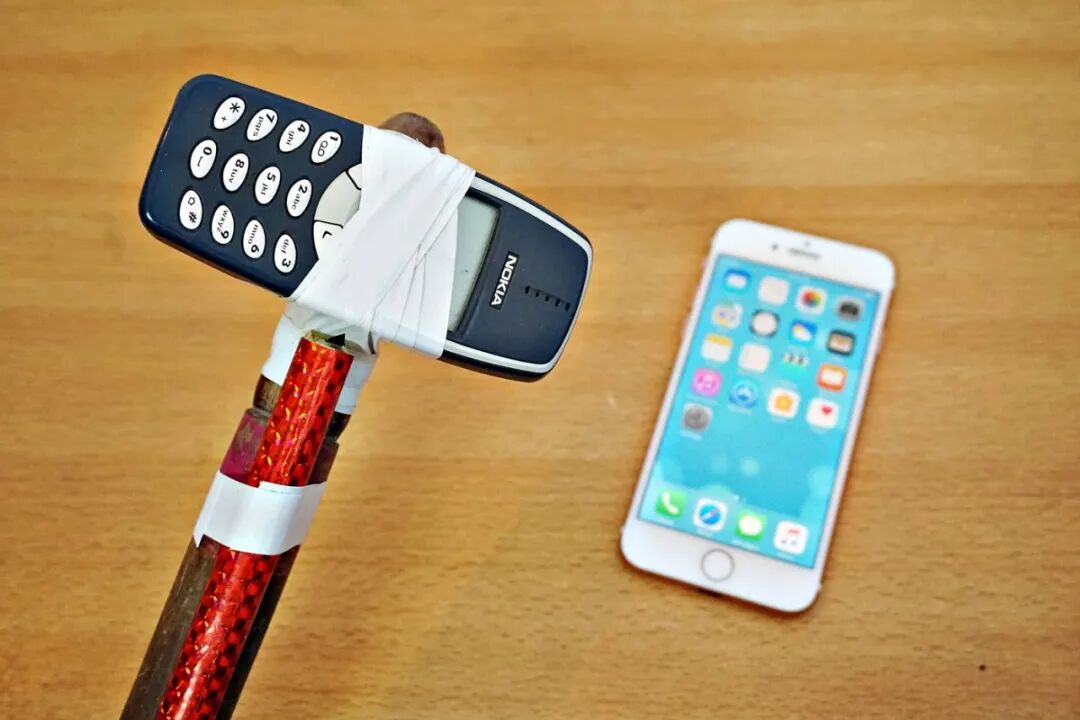
曾经的手机之王诺基亚是如何没落的?
The Rise and Fall of Nokia
曾经的手机市场霸主
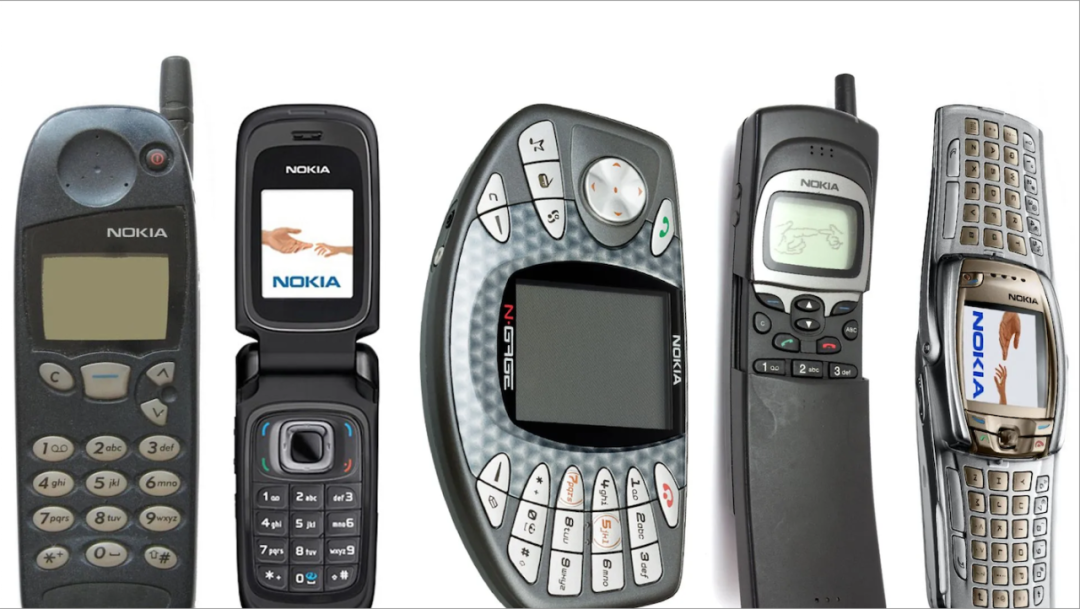
很少有公司能像诺基亚在移动革命的早期阶段那样称霸手机市场。对于不熟悉这个品牌的同学,可以想一想iPhone如今的全球市场占有率是25%左右,而诺基亚曾经拥有超过40%的市场占有率。在1990年代和2000年代初,诺基亚不仅是一个主流的手机品牌,更几乎代表了“手机”这一概念。其结实耐用的“砖头手机”、超长的电池续航能力和富有创新的设计帮助塑造了一代移动用户的体验。然而如今,许多年轻消费者几乎不认识这个名字。这个曾经占据全球半数以上手机市场的巨头为何会迅速失势?这背后既有早期的辉煌,也有突如其来的颠覆,最终是战略上的一系列失误。
Few companies have dominated the mobile phone market as Nokia did during the early stages of the mobile revolution. For those unfamiliar with the brand, consider that while the iPhone currently holds around 25% of the global market share, Nokia once commanded over 40% of the market.In the 1990s and early 2000s, Nokia was not just a major phone brand—it was the phone brand. Its sturdy “brick phones,” long battery life, and innovative designs helped define a generation of mobile users.Yet today, many younger consumers barely recognize the name. How did a company once responsible for over half of the world’s mobile phone market lose its grip so quickly? The answer is a mix of early brilliance, sudden disruption, and ultimately, strategic missteps.
从造纸厂到电信巨头
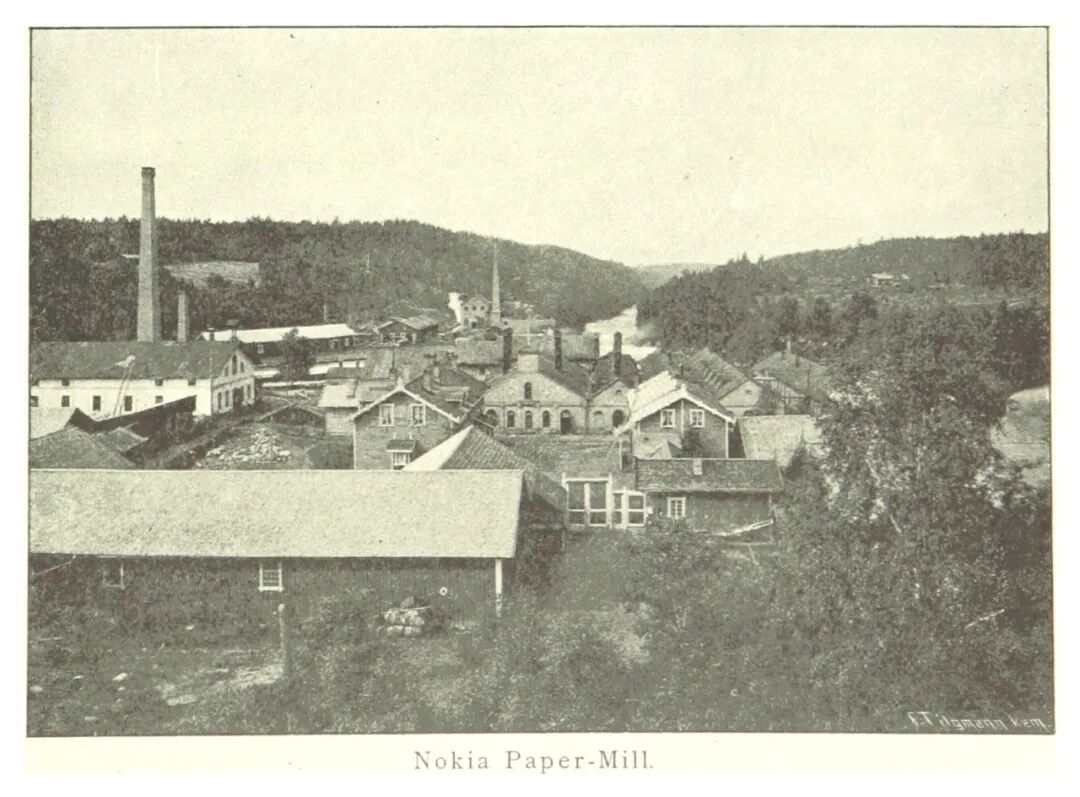
诺基亚的故事起点离电子产业甚远。公司最早于1865年由弗雷德里克·伊德斯坦(Fredrik Idestam)创立,最初是一家造纸厂。此后通过与橡胶制造商和电缆公司的合并,于1967年形成了诺基亚公司(Nokia Corporation)。在接下来的几十年里,它涉足多个行业,生产过雨靴、轮胎、纸品、电视机、电脑,甚至是军事设备。直到1970年代末到1980年代初,诺基亚才开始逐步转向电信领域,推出早期的车载电话,并率先研发了世界上第一批蜂窝通信系统。1987年,诺基亚发布了Mobira Cityman电话,并凭借GSM技术的推广,迅速成为欧洲移动通信市场的关键力量。
Nokia’s story begins far from the world of electronics.Founded in 1865 as a paper mill by Fredrik Idestam, the company evolved through mergers with a rubber manufacturer and a cable company to form the Nokia Corporation in 1967.For decades, it operated in many industries—producing rubber boots, tires, paper products, TVs, computers, and even military equipment.Only in the late 1970s and early 1980s did Nokia begin pivoting into telecommunications, launching early car-phones and pioneering one of the world’s first cellular systems.With the 1987 Mobira Cityman phone and expanding GSM technology, Nokia became a key player in Europe’s new mobile market.
凭借创新与本地化崛起
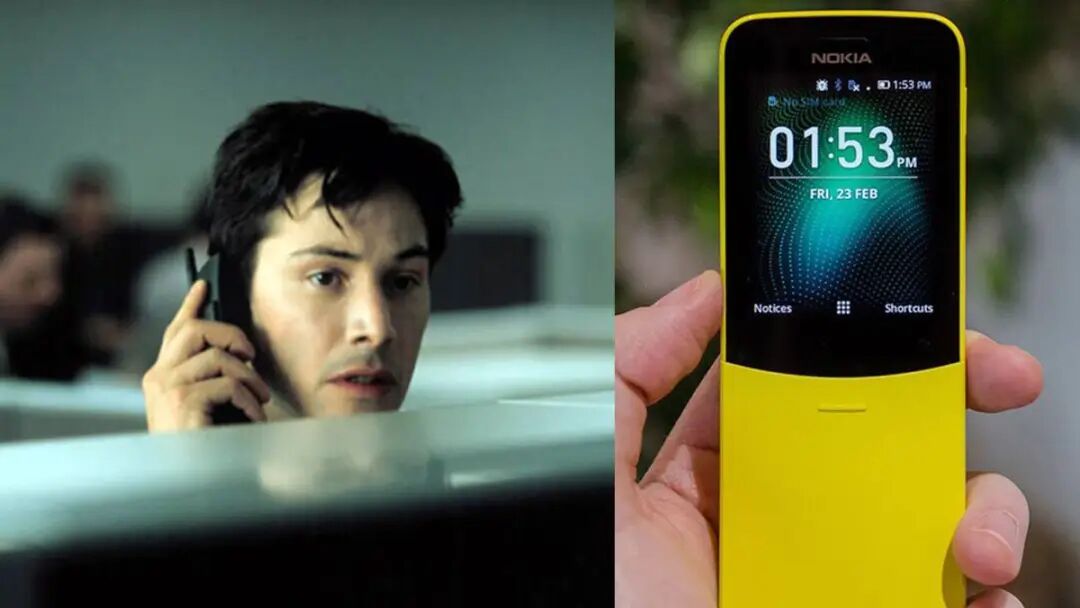
进入1990年代和2000年代初,诺基亚迎来了令人瞩目的崛起。在剥离了与手机无关的业务后,诺基亚将重心全部转向移动通信,并在研发上投入巨资。1991年,它打出了全球首个GSM电话,随后推出了支持短信功能的Nokia 1011等大众市场产品。接下来的2100系列大获成功,其标志性铃声深入人心,销量突破2000万部,大大超出预期。诺基亚还推出了多款具有创新功能的设备,例如支持电子邮件、表格和互联网功能的Nokia 9000 Communicator,以及出现在电影《黑客帝国》中的“香蕉机”8110,进一步巩固了其文化影响力。到2007年,诺基亚的全球市场份额达到50%,无可争议地成为全球最大的手机制造商。本地化策略进一步推动了诺基亚的成功。它根据不同地区的语言、文化和市场进行定制,例如开发中文界面、与本地运营商开展合作等,使其在欧洲、亚洲和拉美市场占据主导地位。
Nokia’s rise in the 1990s and early 2000s was meteoric. After shedding unrelated divisions, the company focused entirely on mobile communications and invested heavily in research and development. It launched the world’s first GSM call in 1991 and quickly followed with mass-market phones such as the Nokia 1011, the first device to support SMS messaging. The brand then struck gold with the Nokia 2100 series and its iconic ringtone, selling more than 20 million units—far beyond expectations. Other innovations, like the Nokia 9000 Communicator (with email, spreadsheets, and internet access) and the “banana phone” 8110 featured in The Matrix, cemented its cultural appeal.By 2007, Nokia’s market share reached 50%, making it the undisputed global leader in mobile phones. Localization further boosted Nokia’s success. The company adapted its devices to different languages, cultures, and markets—from creating a Chinese-language interface to customizing marketing partnerships with local carriers. This attention to regional needs allowed Nokia to capture enormous markets across Europe, Asia, and Latin America.
错失智能机时代与战略失误
然而,当智能手机革命迅速到来时,诺基亚却没能跟上节奏。2007年苹果发布iPhone,随后安卓手机崛起,行业很快转向以触控屏幕、应用生态和软件体验为核心的竞争模式。而此时的诺基亚仍依赖其老旧的塞班(Symbian)操作系统,该系统不仅难以适配触屏设备,还常常卡顿,远不如iOS流畅,也不如Android开放。诺基亚的内部管理也拖了后腿。它存在管理结构复杂、产品开发周期过长、产品线过于庞杂却缺乏明星机型等问题。在战略上也屡屡失误。诺基亚尝试用与英特尔合作开发的MeeGo系统取代Symbian,但进展缓慢。CEO史蒂芬·埃洛普(Stephen Elop)发布了臭名昭著的“燃烧的平台”备忘录,承认公司正面临危机,这不仅打击了消费者对塞班系统和MeeGo的信心,也为下一步错误的转型铺平了道路。诺基亚销量迅速崩盘。随后,诺基亚宣布与微软合作,全面转向Windows Phone系统。Windows Phone系统虽然设计优雅,但是一个应用生态严重不足的平台。开发者缺乏动力为这个用户稀少的系统开发应用,而没有足够应用则进一步劝退用户,最终形成一个难以打破的恶性循环。
Although Nokia appeared unstoppable, the smartphone revolution arrived faster than the company could adapt.When Apple released the iPhone in 2007 and Android phones emerged soon after, the industry shifted decisively toward touchscreens, app ecosystems, and software-centered experiences.Nokia, however, was still rooted in its legacy operating system, Symbian, which was difficult to modernize. It was not optimized for touchscreens, frequently froze or lagged, and could not compete with the fluidity of iOS or the openness of Android.Internally, Nokia was slowed by complex management structures, long product development cycles, and a sprawling product line that lacked a single standout model. Strategic missteps compounded these challenges. Nokia attempted to replace Symbian with a joint Intel project called MeeGo, but development was slow. When CEO Stephen Elop published his infamous “burning platform” memo acknowledging Nokia’s crisis, he also undermined consumer confidence in Symbian and MeeGo before a strong alternative was ready. Sales plummeted almost immediately. This paved the way for Nokia’s controversial decision to partner with Microsoft and adopt Windows Phone—an operating system elegant in design but fatally limited by its tiny app ecosystem. Developers had little incentive to build apps for a platform with few users, and users avoided the platform because it had too few apps, creating a cycle that Nokia and Microsoft could not break.
手机帝国的终结与品牌退场
2013年,诺基亚将其手机业务出售给微软,微软试图通过硬件与软件整合来复兴Windows Phone。然而,这一尝试失败了。Windows Phone始终没能建立起与Android和iOS抗衡的应用生态,微软也很快放弃了消费者手机市场。到2015年,诺基亚曾经强大的手机帝国彻底崩溃。其市值从埃洛普上任时的295亿欧元跌至111亿欧元,诺基亚手机也从全球市场上销声匿迹。由前诺基亚员工创办的HMD Global获得诺基亚品牌授权,生产了一系列安卓智能手机。尽管这些设备销量尚可,HMD仍于2024年正式放弃使用Nokia品牌,标志着诺基亚手机时代的终结。
In 2013, Nokia sold its phone division to Microsoft, which hoped to revive Windows Phone by integrating hardware and software under one umbrella. The attempt failed. Windows Phone never built the app library needed to challenge Android and iOS, and Microsoft soon shifted away from the consumer phone market entirely.By 2015, Nokia’s once-mighty mobile empire had collapsed. Its market value dropped from €29.5 billion to €11.1 billion under Elop’s leadership, and its devices disappeared from global shelves.Meanwhile, HMD Global, founded by former Nokia employees, licensed the Nokia name to produce Android smartphones. Although these devices sold moderately well, HMD retired the Nokia brand in 2024, marking the end of an era for Nokia-branded phones.
转型为基础设施巨头
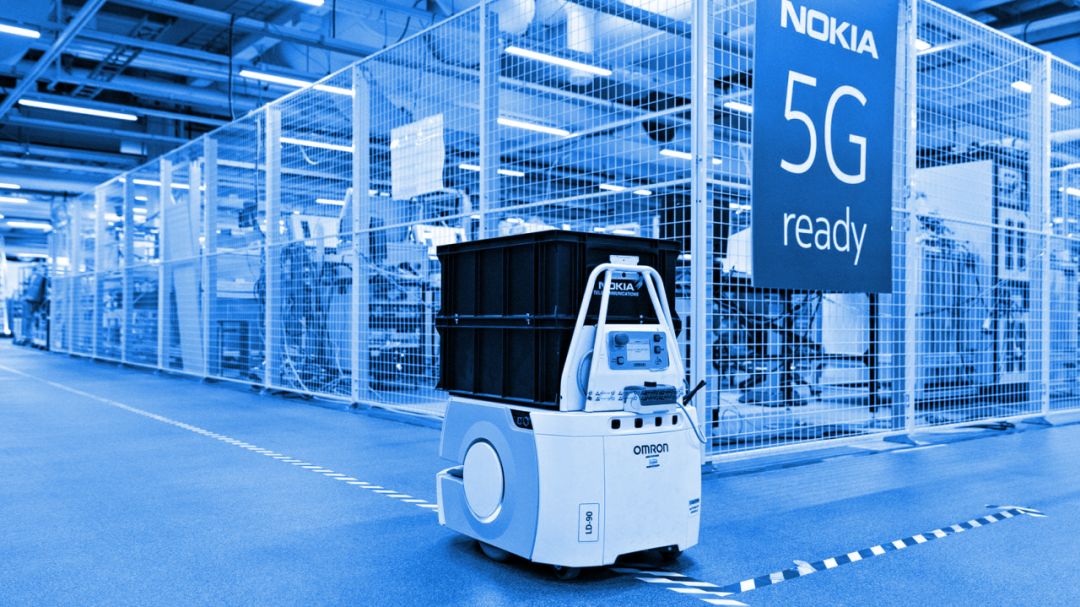
虽然诺基亚在手机市场的主导地位已经消退,但这家公司通过重新定义其在数字世界中的角色得以生存下来并持续发展。如今,诺基亚主要是一家电信与网络基础设施公司,而不再是消费电子品牌。诺基亚不再在零售市场中与其他品牌争夺消费者,而是将产品和服务销售给政府、通信运营商以及大型企业。它提供的服务主要包括5G无线网络、光纤宽带系统以及云网络解决方案在内。诺基亚还通过专利授权获得可观的收入,因为许多现代智能手机制造商在设计产品时仍依赖于诺基亚在移动通信技术领域的基础性专利。该公司拓展到了云网络、工业数字化、自动化系统和专用5G网络等领域,提供先进技术来支持工厂运作、物流系统以及安全的企业通信。尽管如今的企业形象已与当年的手机辉煌时代大相径庭,诺基亚依然是支撑现代世界互联互通的重要基础设施力量。
While Nokia’s mobile phone domination faded, the company itself survived by reinventing its role in the digital world.Today, Nokia is primarily a telecommunications and network infrastructure company, not a consumer electronics brand.Instead of competing for consumers in retail stores, Nokia now sells to governments, telecom operators, and large enterprises.It provides everything from 5G radio networks and fiber broadband systems to cloud networking solutions.Nokia also earns substantial revenue from patent licensing, because many modern smartphone manufacturers rely on Nokia’s foundational mobile-technology patents to build their devices. The company has also expanded into cloud networking, industrial digitalization, automation systems, and private 5G networks, supplying advanced technologies that power factories, logistics systems, and secure enterprise communications. Although Nokia’s modern identity is very different from its mobile-phone glory days, the company remains a major force in the infrastructure that keeps the modern world connected.
Weekly关键词 Key Words
Nokia 诺基亚
所属话题
If At First You Fall, Try, Try Again