

John Locke Essay Competition
John Locke Essay Competition(约翰·洛克论文竞赛,简称JL)是全球写作类学术赛事,由英国John Locke Institute主办。聚焦人文社科深度主题,每年吸引数万名顶尖高中学生参赛。竞赛结果含金量极高,被哈佛、耶鲁、普林斯顿、斯坦福、牛津、剑桥等知名名校高度认可。获奖选手往往在申请中脱颖而出,因为它考察的核心是独立思考、逻辑论证和学术写作能力,而非单纯知识积累。
时间节点
- 注册开始日期:2026年2月2日
- 注册截止日期:2026年3月31日
(需在此日期前注册以便后续提交)
- 投稿开启日期:2026年4月1日
- 提交截止日期:2026年5月31日
- 延迟提交截止日期:2026年6月7/21日
(延期费用分别为25/75英镑)
- 入围通知:2026年7月7日

报名条件
- 高年级组:年满18周岁及以下的学生(通常在高中阶段)。
- 低年级组:年满14周岁及以下的学生。
- 全球学生均可参加,无国籍或学校限制。
2026年JL竞赛三大核心变化
- 类别扩充至10个从原有7个增加到Economics(经济)、History(历史)、Law(法律)、Philosophy(哲学)、Politics(政治)、Psychology(心理学)、Theology(神学)、Public Policy(公共政策)、Science & Technology(科学与技术)、International Relations(国际关系)。新增类别覆盖更广领域,提供更多选择机会,帮助学生匹配个人兴趣。
- 报名时间提前2026年2月2日已开放注册,3月31日截止。建议立即注册锁定账号,后续无法补办。论文提交截至5月31日。建议立即注册锁定账号,后续无法补办!
- 多类别投稿灵活每类别限投一篇,但允许跨类别参与,最大化获奖潜力。
2026年题目一览
记好了上述的关键报名节点,接下来就要进入最核心的实质阶段——选题!
2026年30题目前已经全部放出!
每篇论文针对你所选主题类别中的一个问题,字数不得超过2000字(不包括图表、数据表、尾注、参考书目或作者声明)。
需要注意的是:
- 参赛者姓名不应出现在文档本身中。
- 参赛者不得添加脚注。但他们可以添加尾注和/或明确标明为参考文献的参考书目。
Economics 经济
Q1.Should we fear a cashless society?
我们是否应该对无现金社会感到担忧?
Q2.Technology now allows personalised pricing. If thiscame to be widely used, what effects should we expect?
技术已经可以实现“个性化定价”。如果这种定价方式被广泛采用,会带来哪些影响?
Q3. Did Jeff Bezos get rich at the expense of his customers, his employees, neither or both?
杰夫·贝索斯是通过牺牲消费者的权益、牺牲员工的权益而致富的吗?是两者皆有,还是两者皆非?
History(历史)
Q1. "The arc of the moral universe is long, but it bends toward justice." Is it? Does it?
“道德宇宙的弧线虽长,但终将趋向正义。”事实真是如此吗?
Q2. What might the world look like if the Library of Alexandria didn’t burn down?
如果亚历山大图书馆没有焚毁,世界会呈现出怎样的面貌?
Q3. Does Che deserve his iconic T-shirt?
切·格瓦拉是否“配得上”他那件标志性的文化符号式T恤?
International Relations
(国际关系)

Q1. Does foreign aid help or hurt poor people?
对外援助究竟是在帮助贫困人口,还是在伤害他们?
Q2. Is the US economy harmed by cheap imports from China?
来自中国的廉价进口商品是否损害了美国经济?
Q3. Should a coalition of countries (or of billionaires) run an experiment with a libertarian microstate?
是否应该由一组国家(或一群亿万富翁)来运行一个“自由意志主义微型国家”的社会实验?
Law(法律)
Q1. If legislators and judges all accepted the philosophical theory of determinism, what would be the effect on criminal sentencing?
如果立法者和法官都接受了“决定论”的哲学理论,那将对刑事判决产生何种影响?
Q2. To what extent should criminal sentencing take into account the effect on the perpetrator’s family?
刑事判决在多大程度上应考虑到对犯罪者家庭的影响?

Q3. Is trial by jury obsolete?
陪审团审判制度是否已过时?
Philosophy(哲学)
Q1. Is it ever wrong to do the right thing for the wrong reasons?
因为“错误的动机”去做“正确的事情”,是否在某些情况下也是错误的?
Q2. What consolations does philosophy offer?
哲学能够为人类提供哪些“慰藉”?
Q3. Why is incest wrong?
为什么乱伦是错误的?
Politics(政治)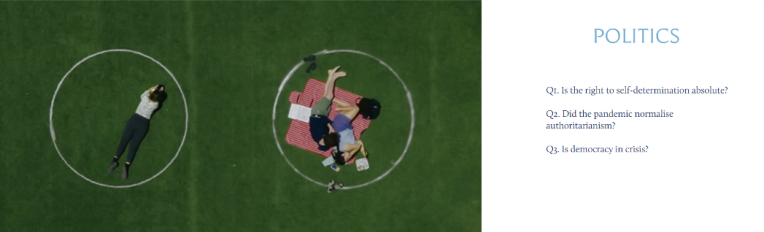
Q1. Is the right to self-determination absolute?
自决权是否是绝对的?
Q2. Did the pandemic normalise authoritarianism?
疫情是否让威权主义变得“常态化”?
Q3. Is democracy in crisis?
民主制度是否正处于危机之中?
Psychology(心理学)
Q1. Why do we care what happens to our body after death?
我们为何会在意自己死后身体会发生什么?
Q2. Is mental illness over-diagnosed now, or just better recognised?
当今社会对精神疾病是“过度诊断”,还是只是“识别能力提高了”?
Q3. Surveys show a widening gender ideological gap in recent years. Why?
调查显示,近年来性别之间的意识形态分歧正在扩大,这是为什么?
Public Policy(公共政策)
Q1. What discount rate should be applied to long-run environmental policies? Why?
长期环境政策应适用何种贴现率?原因何在?
Q2. Which unintended consequence was most devastating and why did we fail to predict it?
历史上最具破坏性的“意外后果”是哪一个?我们当初为什么没能预测到它?
Q3. Should vaccination be mandatory in a public health emergency?
在公共卫生紧急状态下,疫苗接种是否应当强制实施?
Science Technology(科学技术)
Q1. Is free speech the enemy of science?
言论自由是否正在成为科学的“敌人”?
Q2. Is space exploration a necessity or an indulgence?
太空探索是人类的必需品,还是一种奢侈行为?
Q3. Should we be polite to ChatGPT?
我们是否应该对ChatGPT保持礼貌?
Theology(神学)
Q1. Is religious experience better explained by neuroscience or by theology?
宗教体验更应该由神经科学来解释,还是由神学来解释?
Q2. Research shows a strong inverse correlation between religiosity and per-capita spending on education. Does one cause the other?
研究显示,宗教虔诚度与人均教育支出呈显著负相关关系。这两者之间是否存在因果关系?
Q3.If you achieve enlightenment, how will you know?
如果你真的达到了“觉悟 / 开悟”的状态,你将如何确认这一点?
看完这些选题,你是否感到大脑飞速运转却又无从下笔?是否想知道那些拿奖的学生,究竟是怎么把这些宏大命题拆解得如此精妙的?